
Last updated November 22, 2026
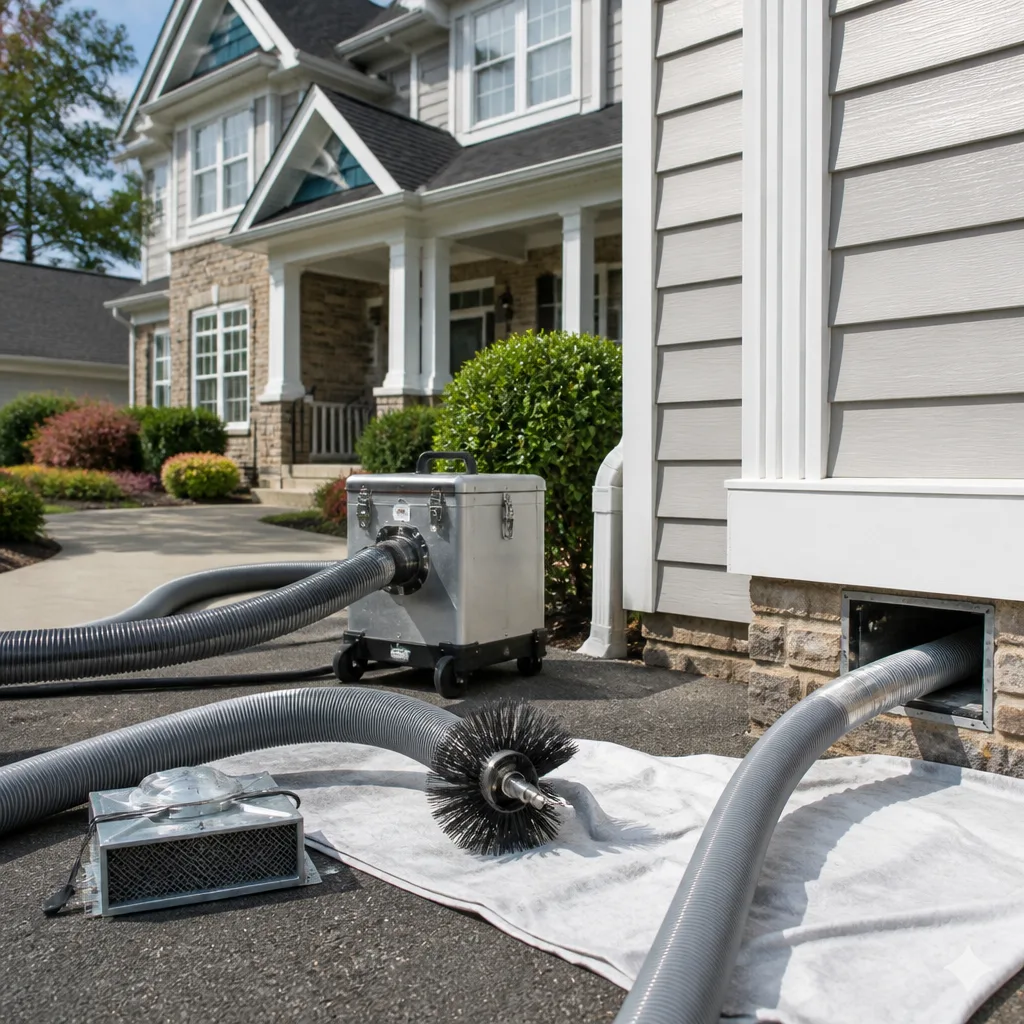 Whole-home duct cleaning
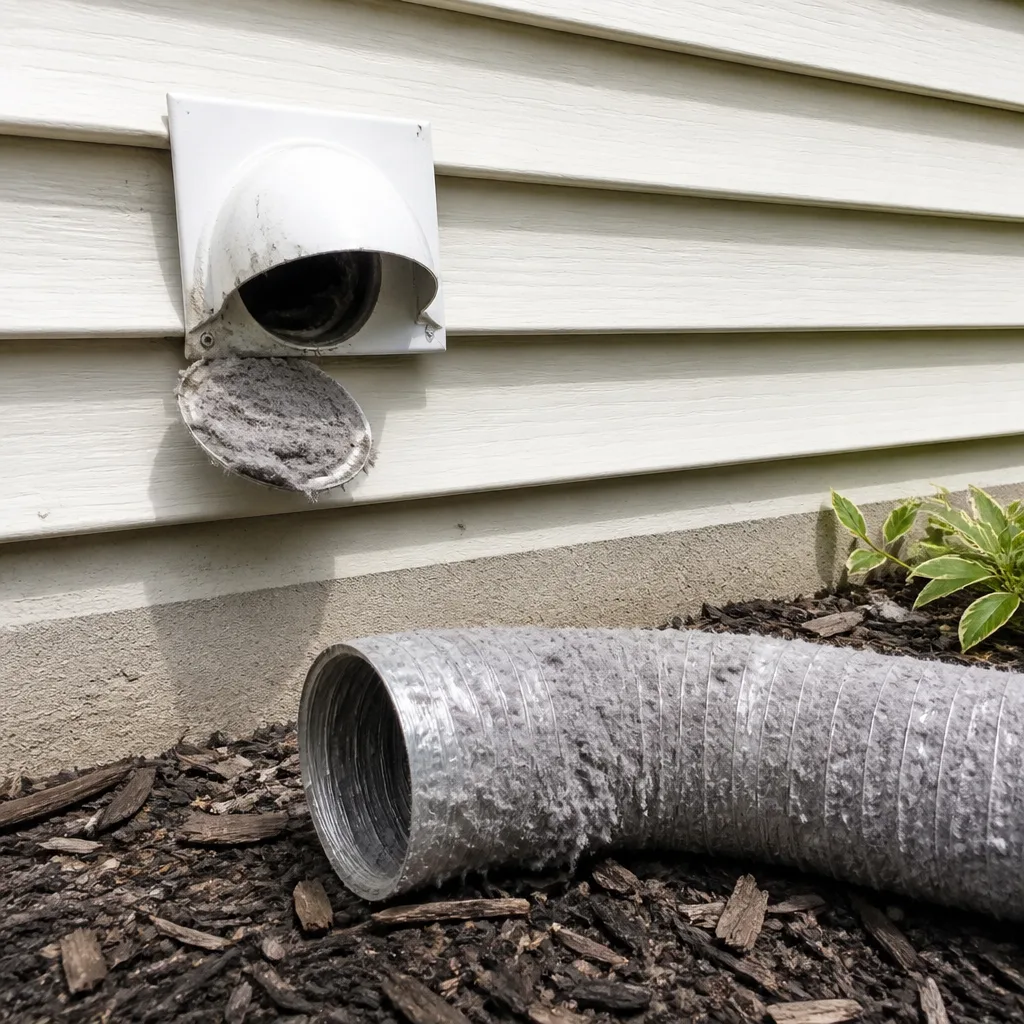 Dryer vent cleaning
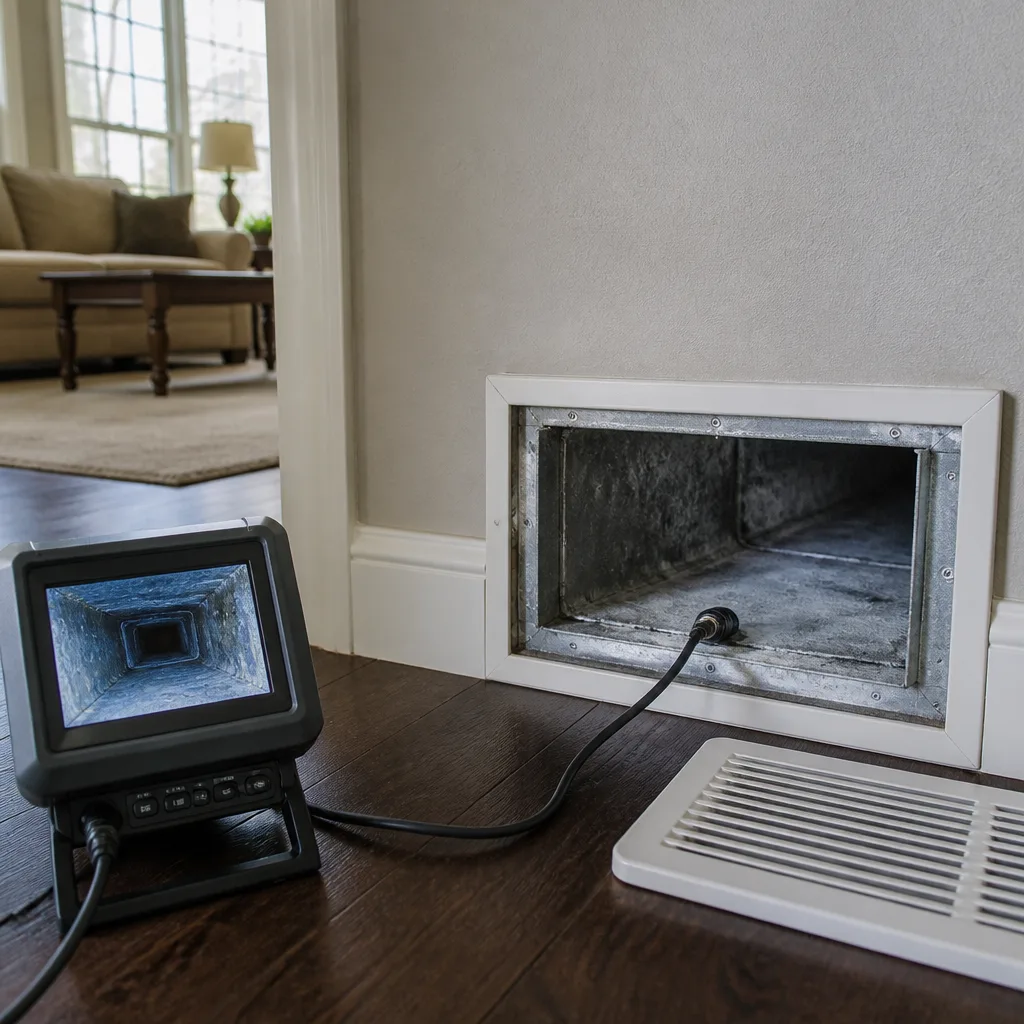 Camera inspection
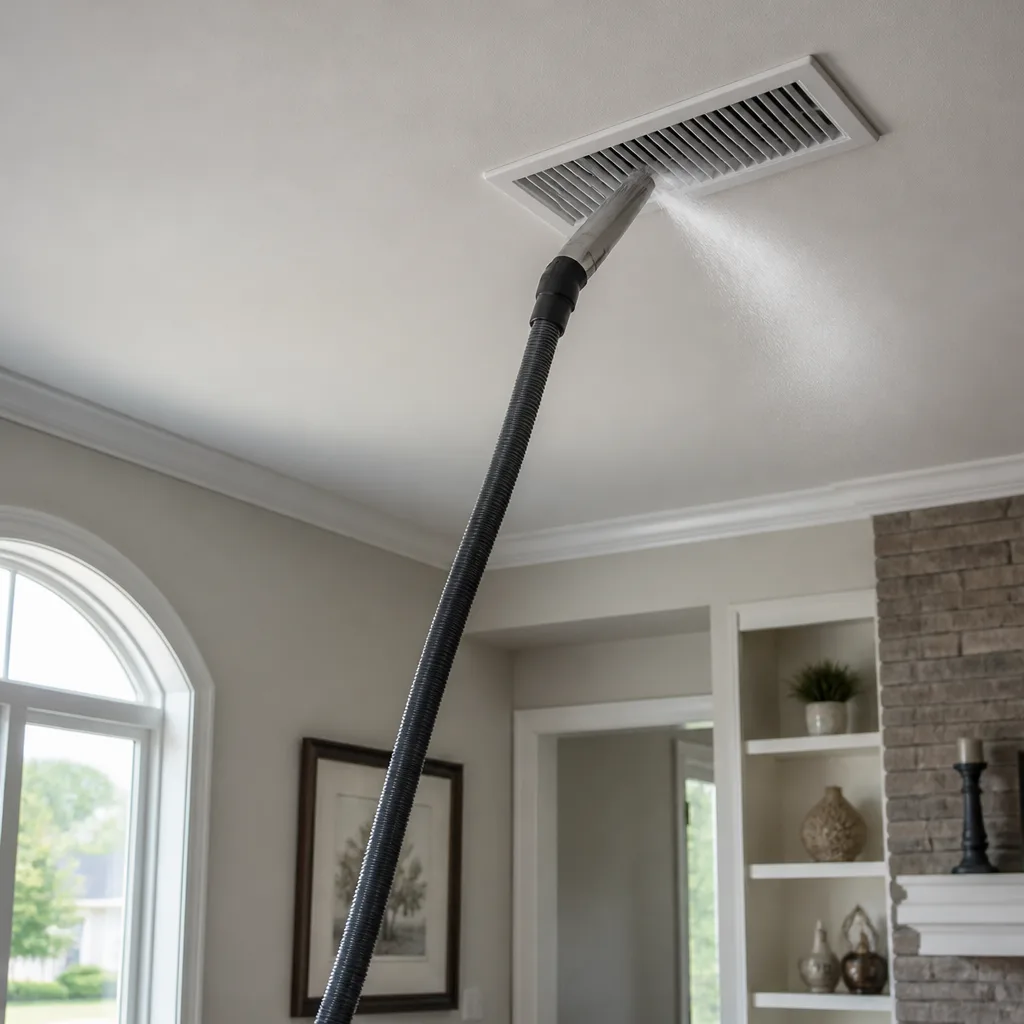 Sanitizing & deodorizing
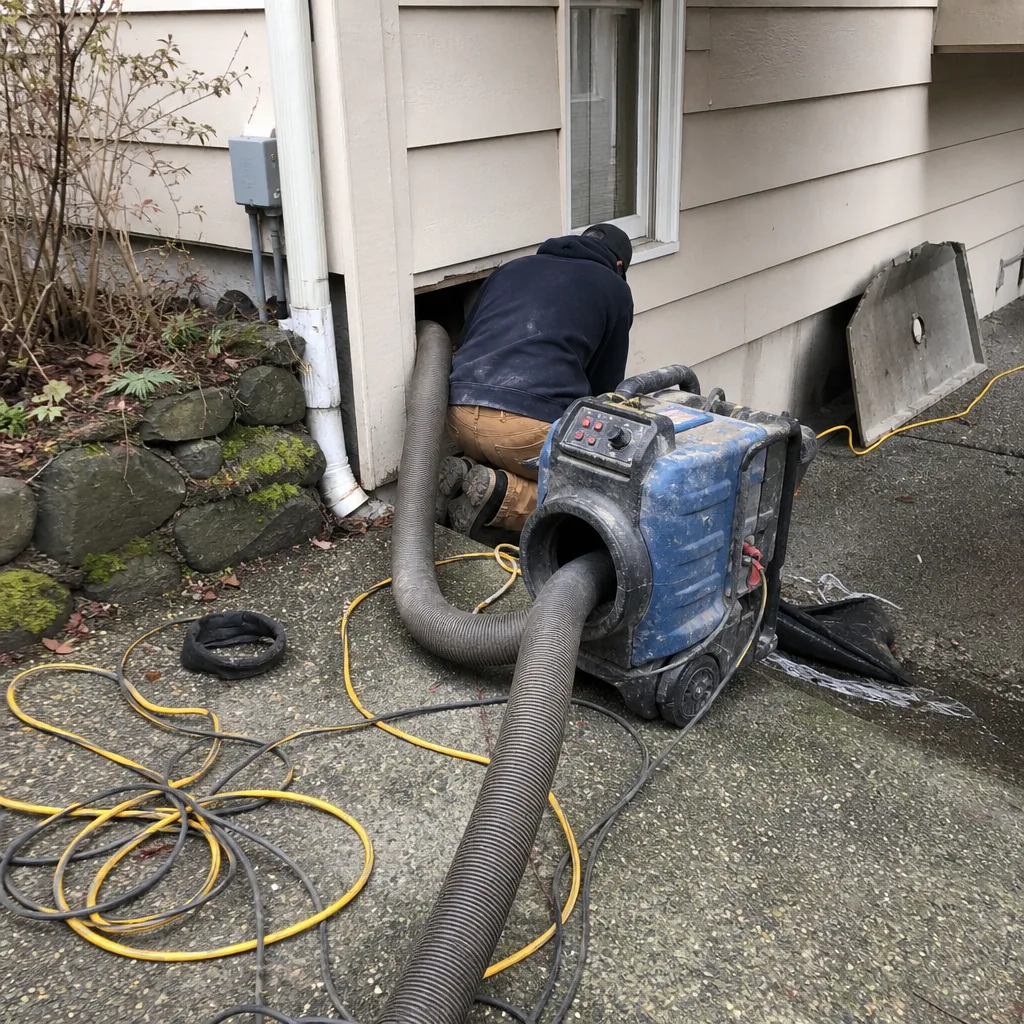
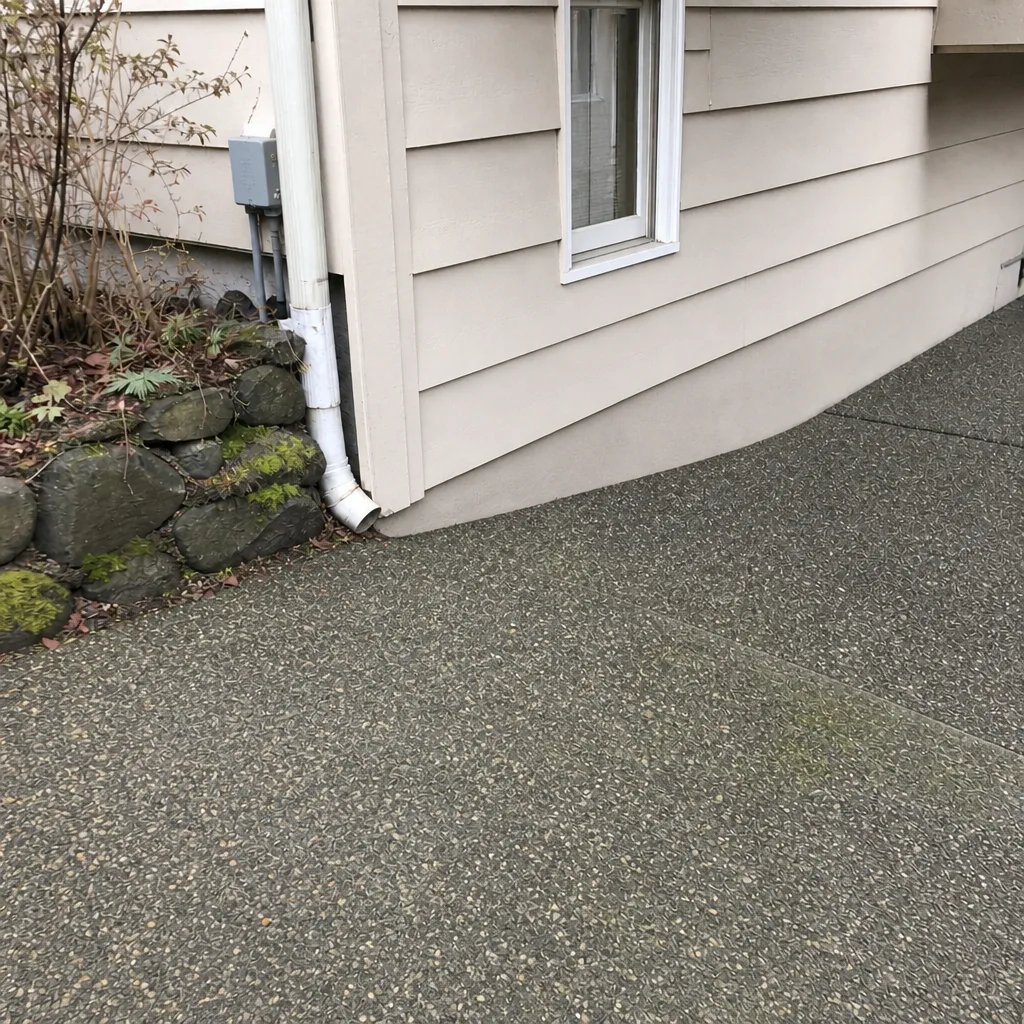
Whole-system duct and dryer vent check with before-and-after photos - you see exactly what came out of your vents
That "$99 whole-house special" is a bait ad - the real number appears once they are in your hallway, or the "clean" is a shop-vac at the register. We photograph the inside of your ducts before and after instead.
Seasonal Air Duct Cleaning Care for Ballard: Year-Round Homeowner’s Guide
Most Ballard homeowners think about their ducts exactly once: when something smells, rattles, or a neighbor asks who they used. That single moment is the problem. Ductwork here doesn’t fail on a neat schedule. It accumulates differently every season, and the material that settles in August is nothing like what builds up in February. A year-round approach beats a one-time scrub because each season loads your system with something new. In this guide we’ll walk through what Ballard’s climate actually does to ductwork month by month, what to check and when, and how to time a professional visit so it lands before the season that matters. By the end you’ll have a calendar you can keep on the fridge.
Quick Answer
The best time for seasonal air duct cleaning care in Ballard is driven by four distinct local events: wet winter condensation, spring tree pollen, late-summer wildfire smoke from Eastern Washington, and the furnace startup in fall. Inspect and clean before heating season in October, address moisture and register condensation through the wet months, upgrade filtration ahead of April pollen, and check the system again mid-summer before August smoke arrives. Any remodel, even a repaint, should trigger an inspection before the next heating or cooling season.
Styles & brands we work with
- Whole-home duct cleaning
- Dryer vent cleaning
- Camera inspection
- Sanitizing & deodorizing
Table of Contents
- Why Ballard’s Ducts Need a Seasonal Calendar, Not a One-Time Cleaning
- Fall Prep: Why October Beats January for a Duct Inspection
- Winter Moisture: Condensation Inside Supply Ducts During Cold Snaps
- Spring Pollen Loading: Filter Upgrade Timing Around Tree Pollen Season
- Summer Wildfire Smoke: Why MERV-13 and a Mid-Season Check Matter
- Post-Renovation Timing: Any Remodel Is a Duct Event
- Neighborhood Notes Across Ballard, Crown Hill, and Sunset Hill
- How a Seasonal Professional Visit Actually Goes
Why Ballard’s Ducts Need a Seasonal Calendar, Not a One-Time Cleaning
A single cleaning resets the system for a few months and then the local environment starts refilling it on its own terms. That’s not a knock on cleaning; it’s just how air systems work in a place with four genuinely different seasonal pressures. Wildfire smoke from Eastern Washington reaches Ballard’s airshed every August. Marine moisture peaks from November through March. Pollen hits hard in April and May. Each of those events deposits different material in your ducts, and each one calls for a different response.
Contrast that with a place that has one dominant condition all year. In a hot, dry climate the load is mostly dust and it accumulates at a roughly steady rate. In Ballard the load changes character. Winter brings moisture issues that dry air doesn’t produce. Summer brings fine particulate from smoke that behaves differently from household dust. Spring brings the light, sticky fraction that tree pollen leaves on every surface it touches.
In our experience the homeowners who stay ahead of this are the ones who stop thinking of duct care as a chore and start thinking of it as seasonal maintenance, like changing the oil at the right interval rather than whenever the light comes on.
- Winter loads the system with moisture and the fine dust that clings to damp surfaces.
- Spring loads it with tree pollen and the lighter debris that rides on pollen.
- Summer loads it with wildfire smoke particulate during smoke events.
- Fall is when the system wakes up and pushes all of it through the house.
A professional air duct cleaning Ballard visit timed to this calendar is worth more than two visits chosen at random, because timing determines whether contamination sits in the system or gets pushed into the living space.
Fall Prep: Why October Beats January for a Duct Inspection
October is the right month to inspect ductwork in Ballard because the furnace hasn’t yet gone into daily service, which means the inspection happens before contamination is being blown into your rooms every few hours. By January you’re running heat constantly, and any debris in the system has had three months of regular air movement to distribute itself through the house.
Think about what the fall transition actually does. The system has been mostly idle or lightly used through late summer. Dust accumulates quietly on duct walls. Then, on the first genuinely cold night, the furnace kicks on and pushes air through a system that hasn’t moved anything in weeks. Whatever accumulated goes into the living space in short order. The same check in October, before that first hard run, catches it while it’s still sitting still.
What a Fall Inspection Covers
- Register faces and returns. Look for dust trails, dark streaking, or a visible film on the grille. Those are your early indicators.
- Filter condition and fit. A filter that’s the wrong size or hasn’t seated properly lets debris bypass it entirely. We see this often in Ballard homes where a previous owner swapped brands.
- Joints and connections. Seams that have loosened over the summer allow air loss and contamination to creep in. Duct repair and sealing at this point prevents a costly problem later.
- Blower and air handler access. A glance at the blower compartment tells you whether the system has been running clean or pulling debris past the filter.
We fix what we find in the fall because that’s when fixing is cheap. A loose joint in October is a minor sealing job. The same joint in February, after a season of air movement, is a bigger problem to trace.
Winter Moisture: Condensation Inside Supply Ducts During Cold Snaps
Condensation forms inside supply ducts in Ballard because warm, moist household air meets the cold metal of ducts that pass through unheated spaces, and the water that condenses is the beginning of a much larger problem. During cold snaps, the temperature differential across those duct surfaces can be significant, especially in older Ballard homes where supply runs cross unconditioned crawlspaces or attic bays.
What to Watch For at the Register Face
You don’t have to open a duct to see the early signs. The register face tells you a lot.
- Dark or damp streaking around the grille. That’s moisture tracking, not dust.
- A musty or earthy smell when the heat first comes on. That’s the smell of damp material warming up.
- Water rings or staining on the ceiling or wall adjacent to a duct run.
- Fogging on cold register faces during very cold mornings, which is the condensation event itself.
- Cold spots or drafts at a single register, which can mean a disconnected or leaking joint.
In our experience, older Ballard homes with original ductwork are the most likely to show these signs, because the insulation on supply runs may not meet current expectations. The practical response in winter isn’t a full cleaning, it’s a check: confirm the runs are intact, confirm the seams are sealed, and address any moisture path before it becomes a mold issue. Duct repair and sealing is often the winter answer, not a cleaning.
For anything that involves opening ductwork or working near the air handler, that’s a job for a trained professional. Ducts connect to combustion appliances in many older homes, and disturbing a connection without understanding it can create a safety problem. If you smell gas or combustion byproducts near a duct, call your gas utility immediately.
Spring Pollen Loading: Filter Upgrade Timing Around Tree Pollen Season
Ballard’s tree pollen season lands in April and May, and the right move is to have your filtration upgraded before it arrives, not after the first itchy week. Once pollen is in the duct system, the filter downstream of it can only do so much; the time to build your defense is ahead of the load, not during it.
Here’s what happens in practice. Pollen is fine and sticky. It travels with air, but it doesn’t settle the way heavier dust does. A filter that’s adequate for household dust in February can be overwhelmed by tree pollen in April, and the fraction that bypasses the filter rides into the duct interior and sticks to the walls.
Filter Timing Checklist
- March: assess your current filter and check that it’s seated correctly in the cabinet. A loose filter is the most common reason pollen reaches duct surfaces.
- Late March: change or upgrade the filter before the first significant pollen days. Match the filter rating to what your system can handle; not every air handler can move air efficiently through the highest MERV ratings.
- April through May: check the filter once during the season, especially in older Ballard houses where pollen can enter through return paths that aren’t well sealed.
- Late May: after the pollen load drops, get a check on duct interiors to see whether carryover occurred.
Homeowners with installed filtration and purification equipment have an advantage here. Familiarity with Honeywell and Aprilaire systems means the equipment already in the home can be assessed and serviced rather than replaced.
We’ve seen carryover become a recurring spring problem in homes where the return side of the system isn’t well sealed. Sealing that path is a bigger win than upgrading the filter alone, and it’s the kind of thing that’s worth sizing during a spring visit.
Summer Wildfire Smoke: Why MERV-13 and a Mid-Season Check Matter
Wildfire smoke from Eastern Washington reaches Ballard’s airshed every August, and the response that actually matters is a mid-season duct check paired with a filter rated to capture fine particulate. Smoke particulate is fine enough that it passes through lower-rated filters, and once it’s in the duct system it doesn’t just sit there; the next time the system runs, some of it gets redistributed.
A MERV-13 filter captures the great majority of smoke-range particulate, which is why it’s the common recommendation for smoke events in the Pacific Northwest. That rating is not universal advice for every system. Higher MERV means more restriction on airflow, and a system not designed for it can lose efficiency or strain the blower. The right move is to size the filter to the system, not to the season.
Why a Mid-Season Check Beats Waiting Until Fall
- Smoke arrives in August. A light HVAC cleaning and filter change in July means the system enters smoke season already clean.
- Fine particulate accumulates. A check in mid-season catches the load before it re-enters the living space on the next cycle.
- Sealing leaks matters more in smoke season. A leaky return pulls smoke-laden air straight into the system. Duct repair and sealing at that point has an immediate, measurable effect.
- Containment tools on the visit. On any smoke-season visit, negative-air machines keep disturbed particulate inside the work area rather than circulating through the house.
On our calls we use Rotobrush contact cleaning and Nikro negative-air equipment, plus Abatement Technologies filtration equipment for containment. Those aren’t consumer-grade tools, and importantly they don’t just move air around; they capture it.
If you’re managing a family member’s asthma or allergies during smoke season, that timing isn’t optional. The August smoke events are predictable enough that you can plan around them, and a July check is a cheap insurance policy against a bad week in August.
Post-Renovation Timing: Any Remodel Is a Duct Event
Any remodel, even a single-room repaint, should trigger a duct inspection before the next heating or cooling season. The reason is straightforward: construction and renovation change the air your ducts pull in. Drywall dust, sawdust, paint overspray, and adhesive fumes all enter the return path if the work happens with the system running or before the system is cleaned.
Kitchen and bathroom remodels are the most obvious cases because they involve the most disturbance, but the smaller jobs matter too. A repaint introduces volatile compounds and fine sanding dust that a filter won’t capture in the volume the work produces. A carpet replacement throws fine fiber into the air that a duct system is designed to capture and hold.
Reno Timing Sequence
- Before demo starts: if possible, cover the returns nearest the work area. A cheap plastic sheet and tape beats a duct cleaning later.
- During the work: run the system as little as practical, and change the filter immediately after the dust settles.
- Right after the work: book an inspection. Catching the debris early beats waiting for it to migrate.
- Before the next season: confirm the system is clean before the heating or cooling season forces it into daily use.
This is where a sanitizing service has real value. Renovation dust carries odors that a mechanical cleaning alone doesn’t fully address. An air quality sanitizing visit after the work clears the residue in a way a filter change can’t.
Neighborhood Notes Across Ballard, Crown Hill, and Sunset Hill
Ballard’s neighborhoods vary enough that a single calendar isn’t quite enough. Here’s what we look for on visits across the area:
- Sunset Hill and the western edge of Ballard get more of the marine moisture effect, so winter condensation checks matter more than spring pollen for those homes.
- Crown Hill tends toward older homes with more varied duct layouts and more original ductwork, so duct repair and sealing often shows up on the punch list.
- South Ballard near Market Street has more of the classic street-tree mix, which pushes the pollen load earlier in the year.
- Ballard’s newer construction often has tighter envelopes and better-sealed ducts, which means the smoke-season check is more about filtration than about repair.
None of this is a hard rule; every home is a little different. But it’s the reason a seasonal plan should be adjusted to where in Ballard you actually live.
How a Seasonal Professional Visit Actually Goes
A professional seasonal visit is a specific sequence, not a shop vac pass.
- Inspection first. Registers, returns, main trunk, and accessible branches are assessed before any cleaning begins. We fix what we find, so we need to know what’s there.
- Containment setup. Negative-air equipment is positioned at the work area to keep disturbed particulate inside the work zone.
- Contact cleaning. Rotobrush contact cleaning reaches surfaces the air alone won’t. It’s the tool commercial contractors specify for a reason.
- Source-of-truth verification. Before-and-after photos of the customer’s own ducts show the work that was done. If a quote is cheap and no photos are offered, ask why.
- Repair and sealing where needed. Loose joints, disconnected runs, and leak paths get sealed in the same visit. A cleaning without sealing leaves the same leak to refill the system.
- Sanitizing if indicated. Post-renovation, moisture-related issues, or severe contamination call for air quality sanitizing after the mechanical cleaning.
That sequence is the same one used on hvac cleaning visits and, at reduced scope, on dryer vent cleaning jobs. The only thing that changes with the season is what we’re addressing.
Common Mistakes to Avoid
- Choosing a January cleaning over an October one. By January the furnace is running daily and the system has been distributing contamination for months. October catches the same debris before it has spread.
- Skipping the filter check in the spring. Pollen is sticky and fine. A filter that’s the wrong size or hasn’t seated properly lets it right into the duct interior, and the carryover problem compounds through the year.
- Treating smoke season as a filter-only problem. A MERV-13 filter is part of the answer, but leaky return paths pull smoke into the system before it hits the filter. Sealing matters alongside filtration.
- Missing the renovation window. Any remodel, even a kitchen repaint, should trigger a duct inspection before the next heating or cooling season. Waiting until the system is running daily means the whole house gets a share of the debris.
- Ignoring register-face moisture in the winter. Dark streaking or a musty smell when the heat first comes on indicates moisture in the ducts. Waiting until spring lets it become a bigger repair.
- Picking the cheapest seasonal quote. A quote that skips containment, contact cleaning, or before-and-after photos is a quote for a different job than the one you need.
- Scheduling by habit rather than by condition. Ballard’s four seasonal pressures are not equally relevant to every home. The right calendar is sized to your house, not copied from a neighbor’s.
See the difference
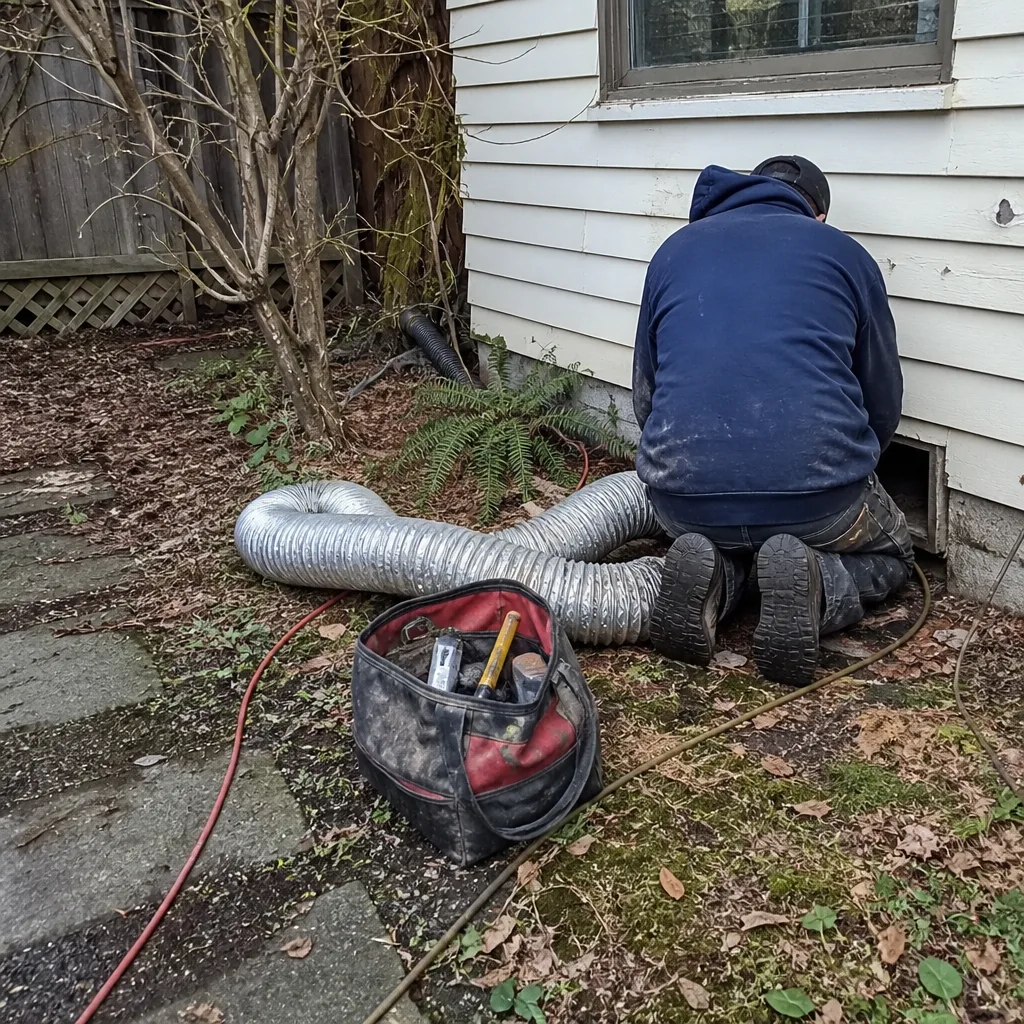 Before
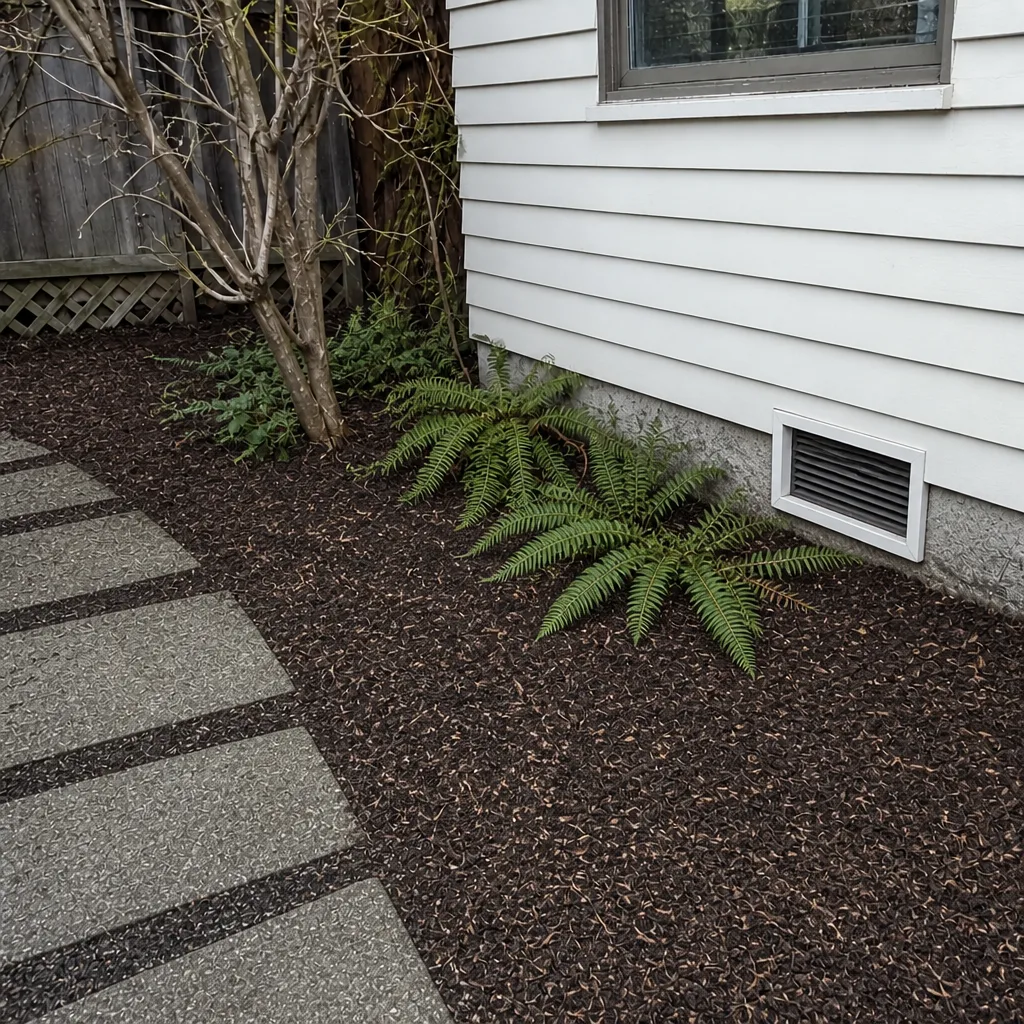 After
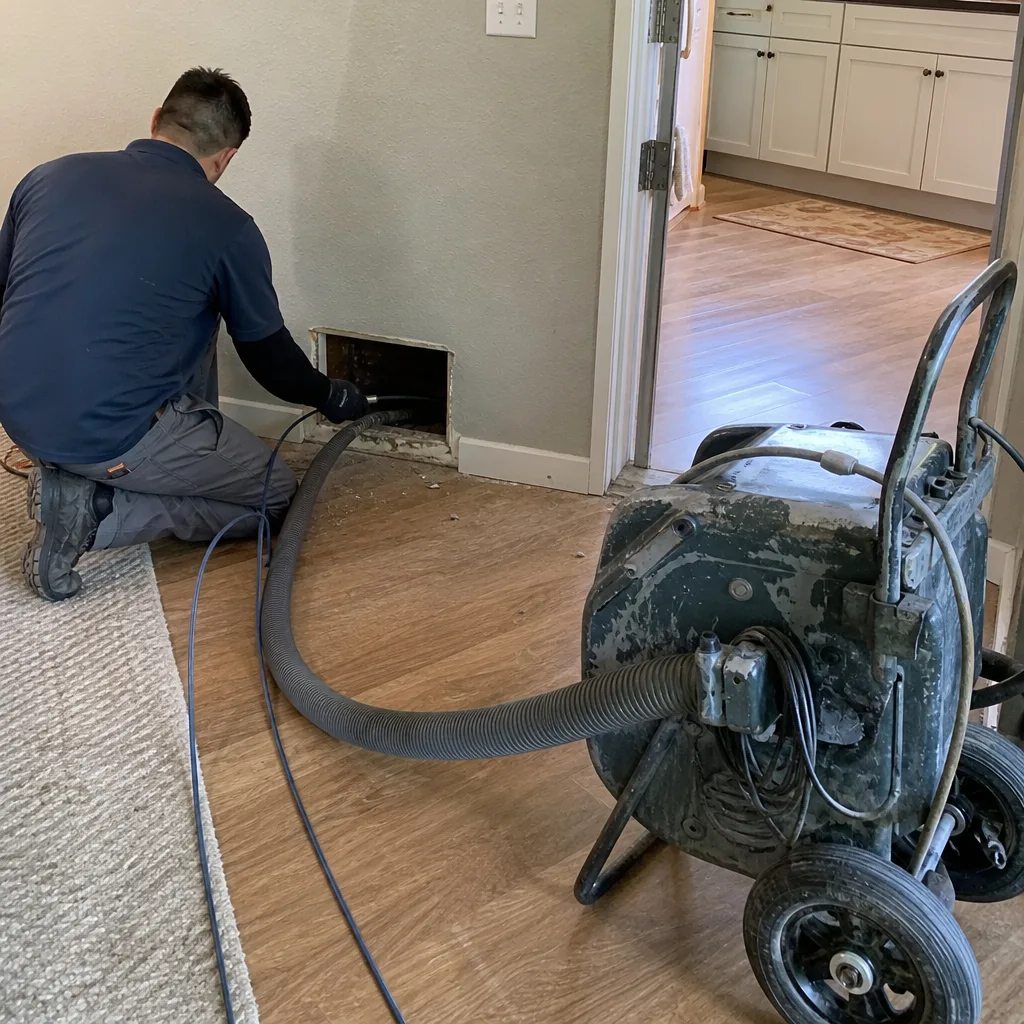 Before
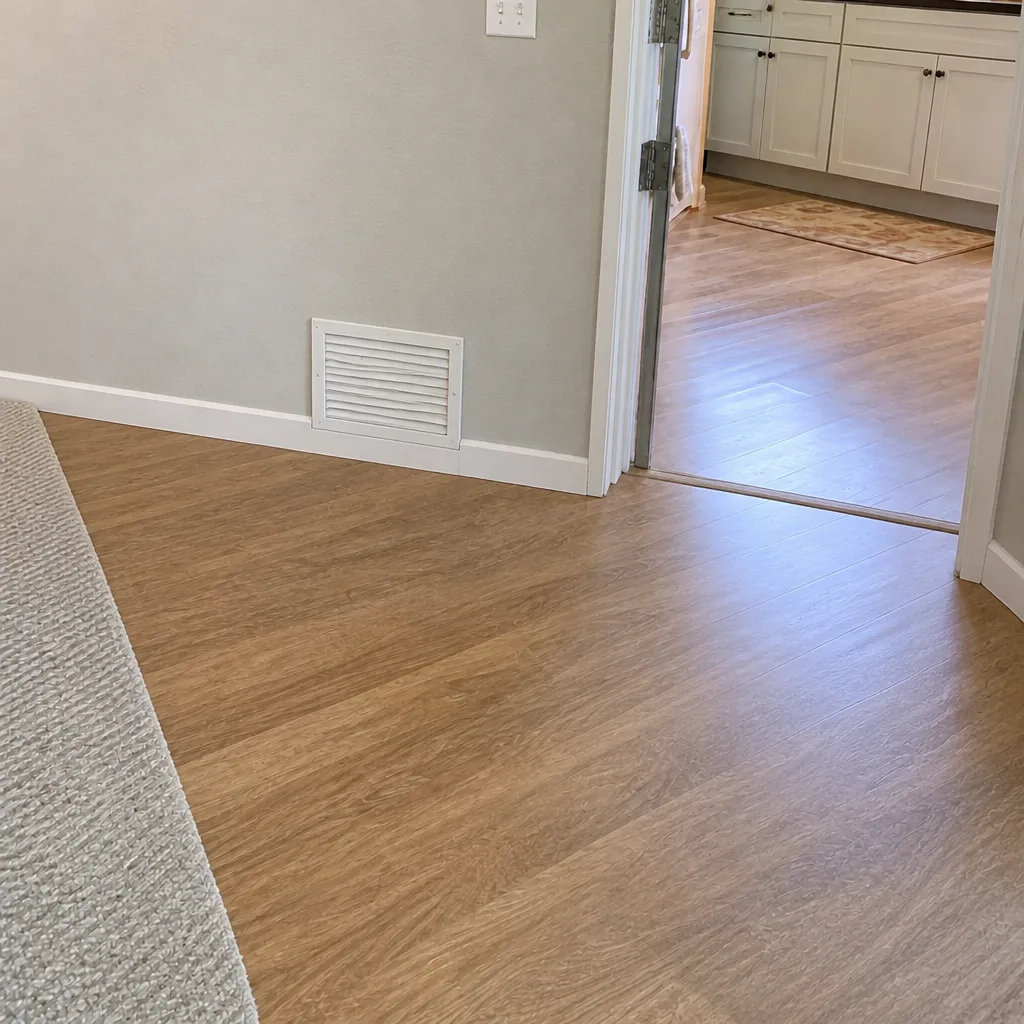 After
 Before
 After
When to Call a Professional
Some situations are clearly not a “wait until next season” case. Call for a professional visit if you see visible mold inside a duct or on a register face, if there’s a persistent musty smell that doesn’t clear when you change the filter, if you’ve had a pest or rodent issue in the ductwork, or if a remodel just finished and the system has been running through it. Call if a family member has asthma or allergies and you’re heading into smoke season or pollen season without a plan in place. Call after any water intrusion near a duct run, or if a register is producing noticeably less airflow than the others, which usually signals a loose joint or a blockage. If you don’t yet have a seasonal calendar for your home, that’s also a call. Air Duct Cleaning Ballard offers free estimates in Ballard – call (844) 443-4768. We answer 24/7, and fast dispatch runs 7am to 7pm, Sunday through Friday. The estimate is free and sets the final price per job, so there’s no surprise invoice after the visit.
Frequently Asked Questions
A full cleaning typically lands once every two to three years for most Ballard homes, but the interval should be shortened for homes with pets, recent renovations, allergy sufferers, or households near the older stock with original ductwork. In practice, the better question is when in the year to book it. October for the pre-heating inspection, and a mid-summer check before August smoke, both do more than a single cleaning done at a random time. Call (844) 443-4768 for an exact quote – estimates are free.
Cheap quotes usually skip containment, skip contact cleaning, and skip before-and-after photos, which means you can’t verify what was actually done. A low coupon price that becomes a much larger invoice once the technician is on site is the industry pattern we hear about most often from skeptical homeowners. Ask any company what equipment they bring and whether you’ll see photos of your own ducts. The written estimate should set the final price per job, not per vent. Call (844) 443-4768 for an exact quote – estimates are free.
Before-and-after photos of your own ducts are the single thing to insist on. A professional visit photographs register faces, trunk interior, and any sealed joints, and you see the images before the technician leaves. That level of documentation is standard on our calls. If a company can’t provide it, that’s the answer to the question. Call (844) 443-4768 for an exact quote – estimates are free.
Not every home needs it every month, but during August wildfire smoke events a MERV-13 is the practical rating most Pacific Northwest households use to capture fine particulate. It’s not universal advice; higher MERV means more airflow restriction, and some systems are not sized for it. The right move is to check what your air handler can handle before swapping in a heavier filter. Call (844) 443-4768 for an exact quote – estimates are free.
Late fall into early winter is often the weakest window, because the system is already running and the load has been distributed. That’s not a reason to skip it; it’s a reason the cleaning at that point has to be more thorough, with containment and contact cleaning rather than a light pass. The strongest windows in Ballard are October for pre-heating and July for pre-smoke. Call (844) 443-4768 for an exact quote – estimates are free.
Check the filter monthly during heating and cooling season and change it as needed; check register faces for streaking or smell during the wet months; and check the filter again after any renovation, even a repaint. Write the last cleaning date on the filter cabinet so you don’t lose track. Those three habits catch most of what a professional visit addresses. Call (844) 443-4768 for an exact quote – estimates are free.
The Bottom Line
Ballard’s ductwork needs a calendar, not a one-time cleaning. The local climate hands the system a different load each season: moisture in winter, pollen in spring, smoke in late summer, and the whole accumulated pile in fall when the furnace wakes up. October and July are the strongest windows for a professional visit, and any renovation resets the clock. Our technicians have up to 13 years of experience, we use the same equipment commercial contractors trust, and we fix what we find through duct repair and sealing in the same visit. If the past few years of smoke events and pollen have you wondering whether it’s time, air duct cleaning paired with a filtration check is the right place to start.
Call (844) 443-4768. We answer 24/7, and fast dispatch runs 7am to 7pm, Sunday through Friday. The estimate is free and the written estimate sets the final price. If you’re ready to build a seasonal plan for your Ballard home, we’ll walk you through what your system actually needs and when. From dryer vent work to a full seasonal air quality plan, one call covers it.
Written by the team at Air Duct Cleaning Ballard.