
Last updated November 22, 2026
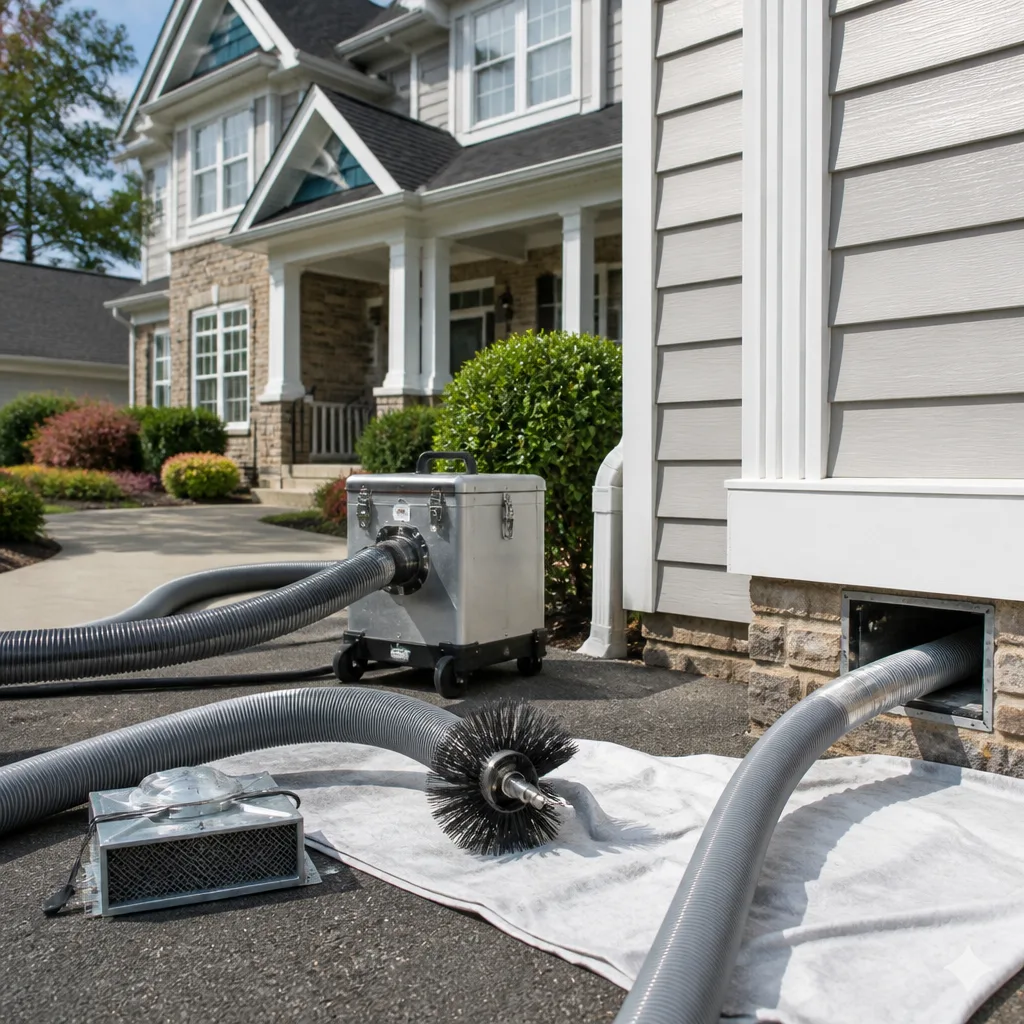 Whole-home duct cleaning
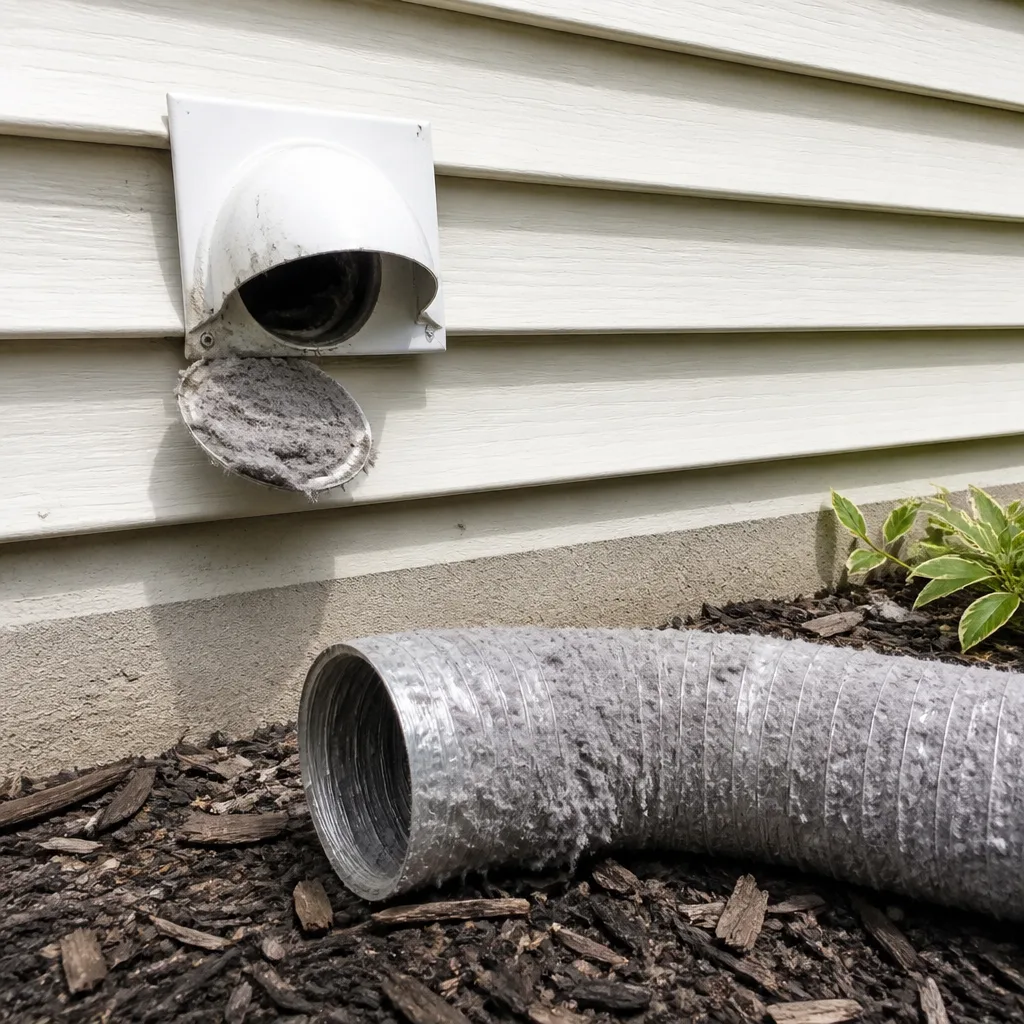 Dryer vent cleaning
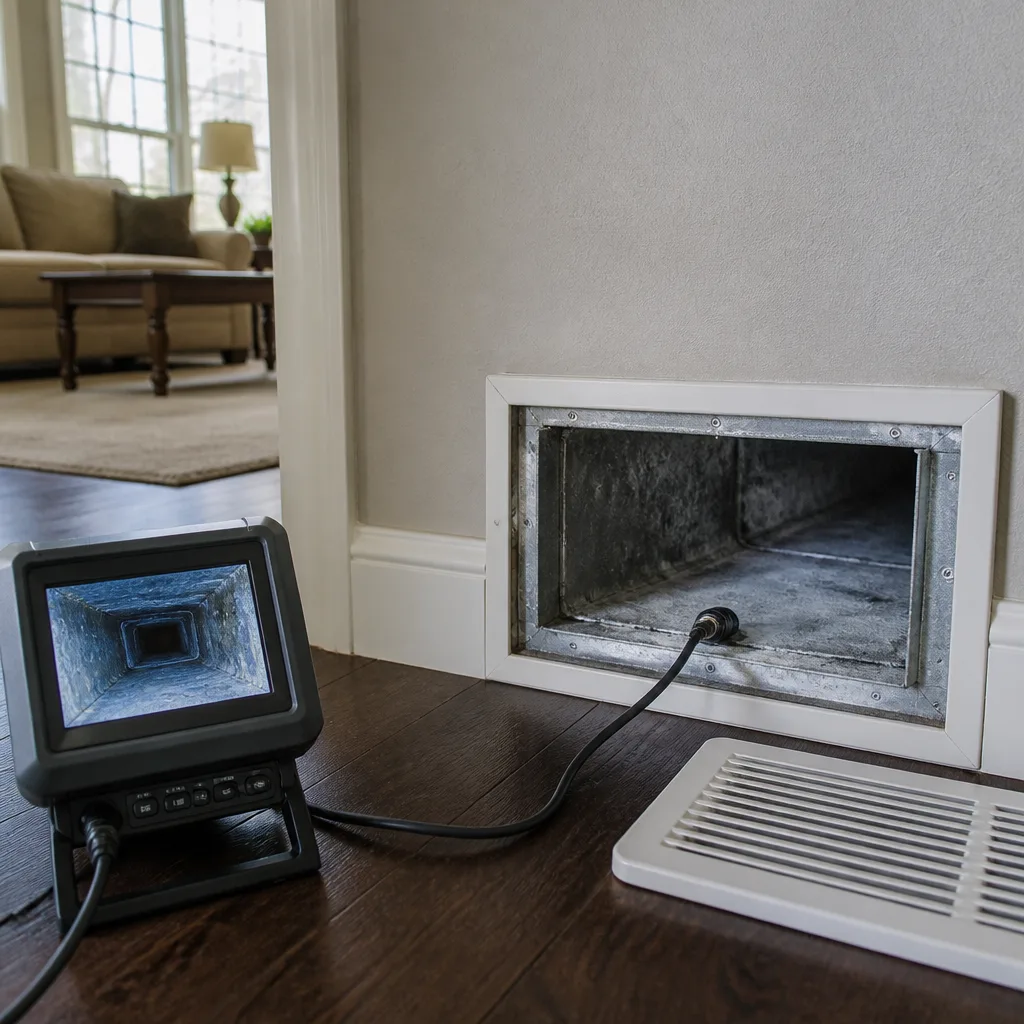 Camera inspection
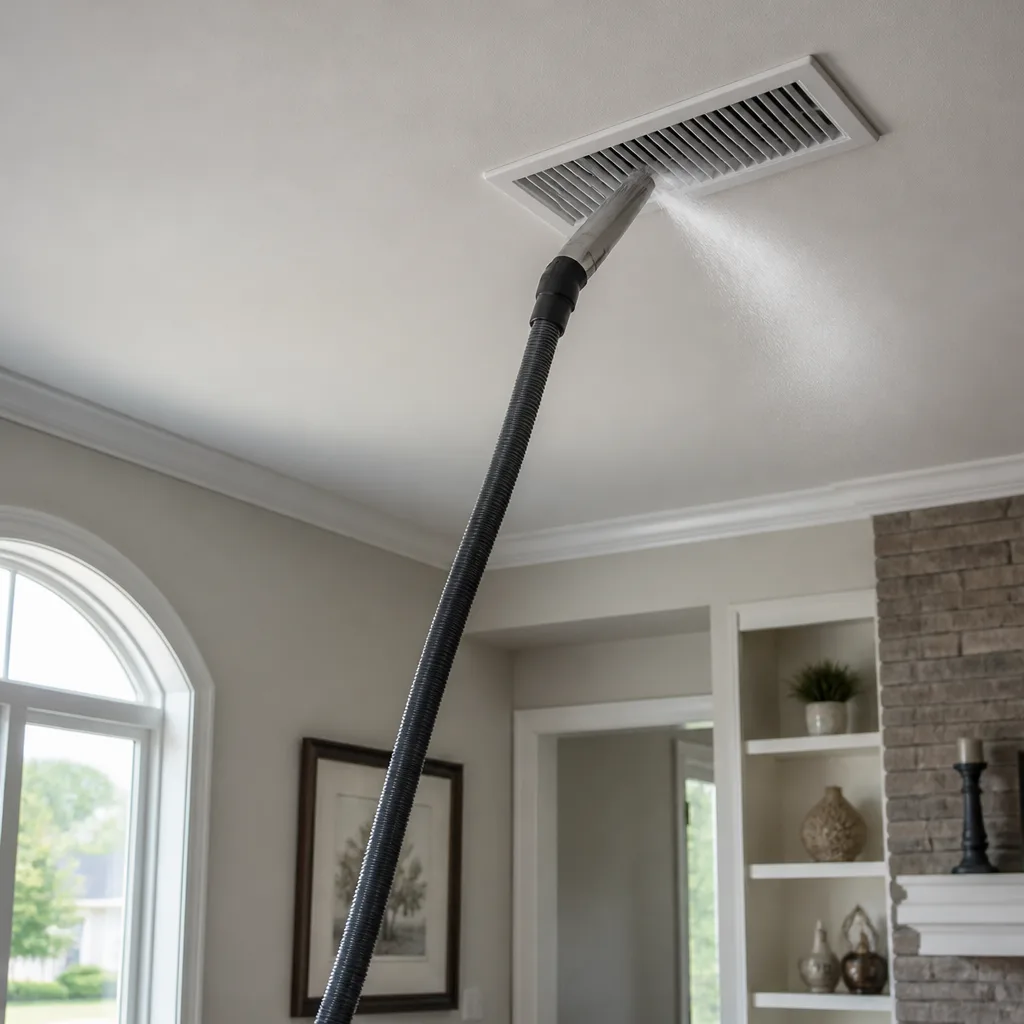 Sanitizing & deodorizing
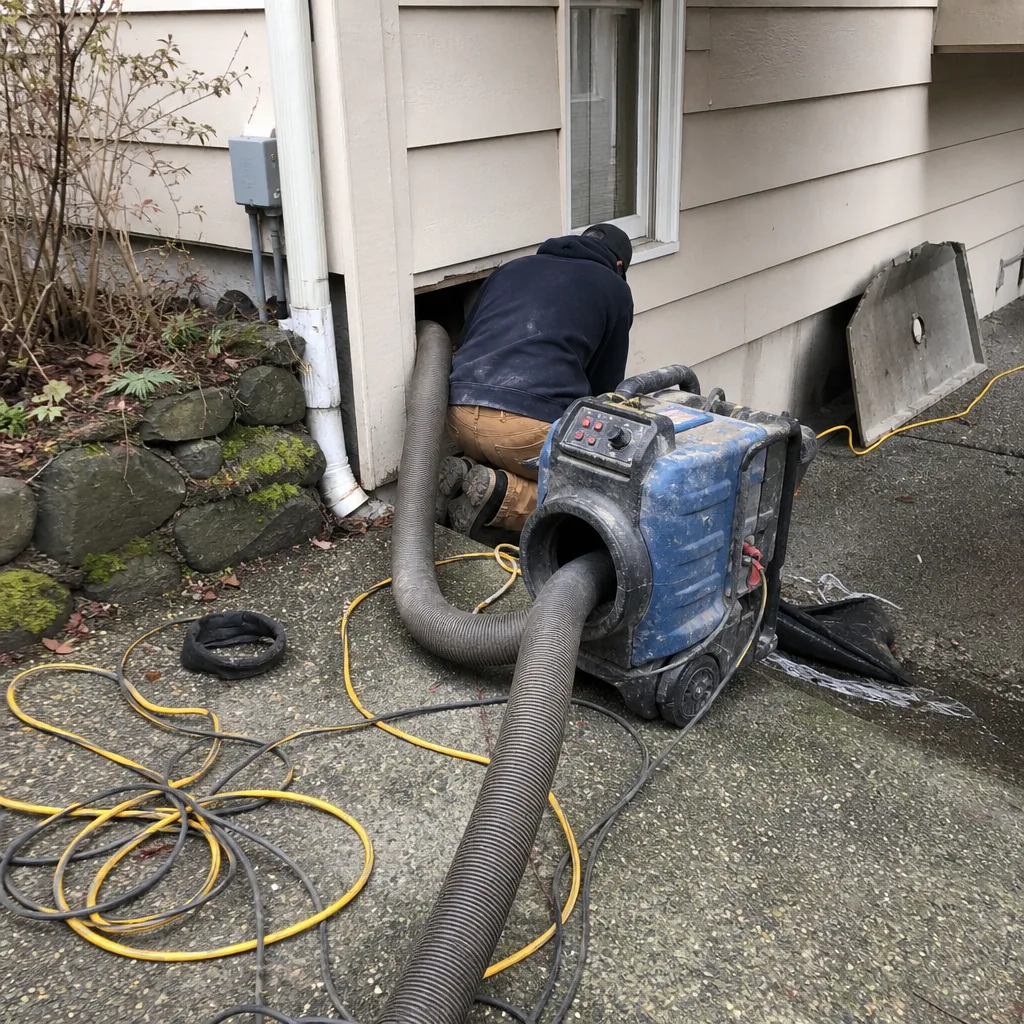
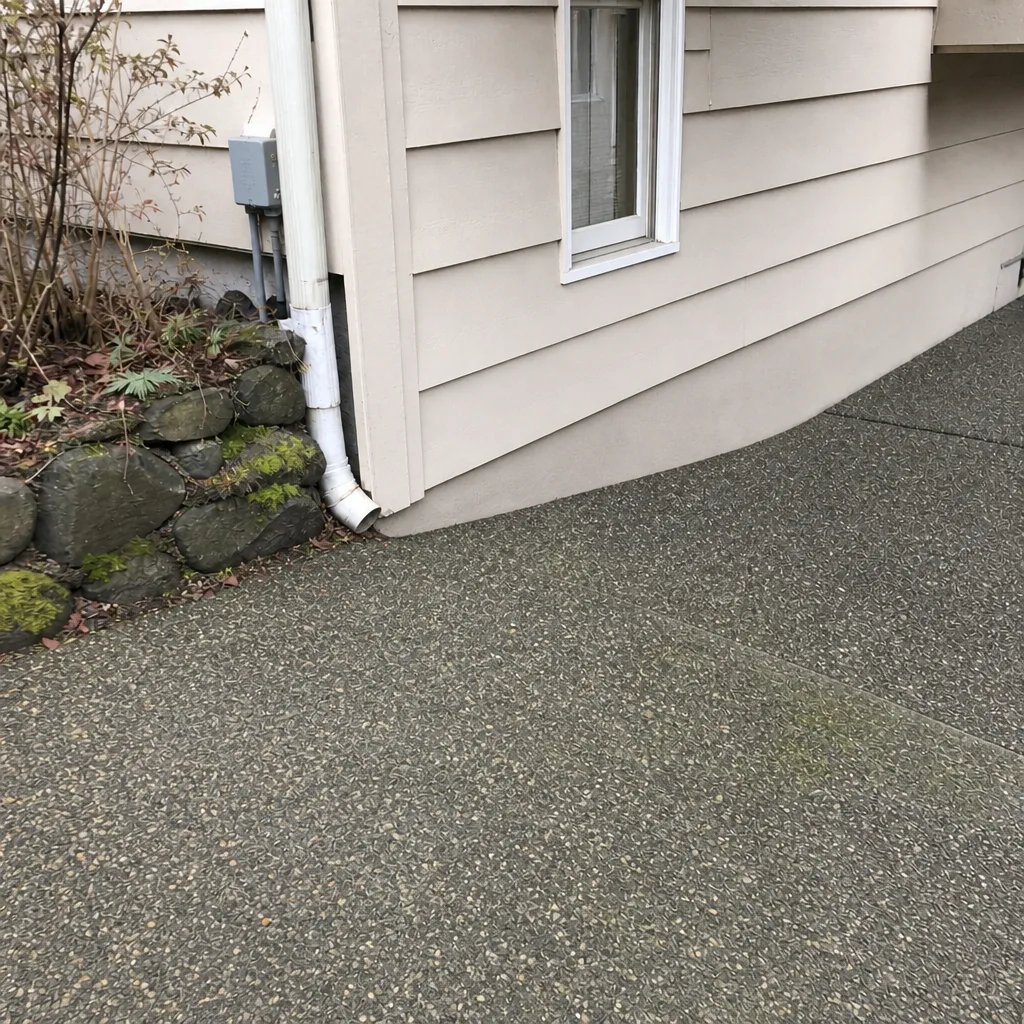
Whole-system duct and dryer vent check with before-and-after photos - you see exactly what came out of your vents
That "$99 whole-house special" is a bait ad - the real number appears once they are in your hallway, or the "clean" is a shop-vac at the register. We photograph the inside of your ducts before and after instead.
Air Duct Cleaning Cost Breakdown: The Ballard Homeowner’s Reference for 2026
A $99 duct cleaning and an $800 duct cleaning can both be fair prices. They’re just fair for completely different scopes of work. The trouble is that most quotes in Ballard don’t itemize clearly enough to know what you’re actually comparing, so a homeowner ends up judging a number instead of a job. This guide breaks down every cost component that belongs in a legitimate quote: duct count, linear footage, access points, equipment mobilization, and the add-ons that add real value versus the ones that pad an invoice. Read it once and you’ll be able to evaluate any estimate line by line.
Quick Answer
In Ballard, a properly performed residential air duct cleaning in 2026 typically runs from about $350 to $700 for a whole-house system, with add-ons like sanitizing, coil cleaning, and dryer vent work pushing a complete visit into the $600 to $900 range. A $99 coupon is not a whole-house cleaning; it’s an entry price that assumes upsells. The single best protection against both outcomes is a written, itemized quote that lists ducts, returns, access points, and equipment before any work starts.
Styles & brands we work with
- Whole-home duct cleaning
- Dryer vent cleaning
- Camera inspection
- Sanitizing & deodorizing
Table of Contents
- What Are the Base Cost Components of a Legitimate Cleaning?
- What Drives the Price Above the Base?
- How Does Ballard’s Housing Stock Affect Job Complexity?
- The Economics of Coupon Offers: Why $99 Is Never the Final Price
- What Should a Written Quote Look Like?
- How Do You Read an Estimate Line by Line?
- Which Add-Ons Add Genuine Value?
What Are the Base Cost Components of a Legitimate Cleaning?
Every legitimate residential duct cleaning price is built from four cost components: the number of ducts, the linear footage of the system, the number of access points needed, and equipment mobilization. On a typical Ballard home those components break down into recognizable price bands. If a quote doesn’t account for each of them separately, it’s a guess, not an estimate.
The base components and typical 2026 Ballard ranges:
| Component | What It Covers | Typical Range |
|---|---|---|
| Duct count | Price scales with the number of supply registers (commonly 10-20 in Ballard) plus returns | $15-$30 per supply run |
| Linear footage | Total length of trunk and branch runs; longer runs take longer to clean | Included in per-run rate on short runs, added for runs over 25 feet |
| Access points | Cuts and reseals where no access exists; most homes need 2-6 | $25-$50 each |
| Equipment mobilization | Setting up contact cleaning and negative-air equipment, containment | $100-$200 base |
Add those up and a whole-house job on a mid-size Ballard home lands between roughly $350 and $700. That’s the floor for a real cleaning: contact cleaning with professional equipment like a Rotobrush system and negative air pressure held by a Nikro or Abatement Technologies machine so the dust is captured, not recirculated into your living space. The equipment mobilization line is the one that coupon quotes leave out entirely, and it’s the line that separates a real cleaning from a shop vac and a promise.
Two other details belong in this base cost, even though most quotes hide them. First, returns are counted separately from supply runs because they carry roughly the same dust load in a fraction of the footage. Second, a first-time cleaning on a home that hasn’t been serviced in years usually takes longer than a maintenance visit, and the quote should reflect the actual work, not a flat rate applied to every house on the block.
What Drives the Price Above the Base?
Five add-ons push most Ballard duct cleanings above the base: air sanitizing, coil cleaning, dryer vent inclusion, flex duct repair, and mastic sealing. Three of these add genuine value on a routine basis; two are situational. Knowing which is which is the difference between a worthwhile upgrade and an invoice pad.
Air sanitizing (typical range $75-$150). A fogging treatment applied after cleaning to reduce microbial load in the duct interior. This adds real value for homes with allergy sufferers, young children, older family members, or recent renovations where drywall dust and construction debris have settled into the system. It doesn’t replace cleaning; it comes after it.
Coil cleaning (typical range $100-$250). The evaporator coil sits wet most of the year and traps dust, which reduces airflow and efficiency. Cleaning it during a duct visit is genuinely useful and hard to do well separately. We fold this into our HVAC cleaning work because the coil and the ducts share the same air path.
Dryer vent cleaning (typical range $100-$175 added to the visit). Lint accumulation in a dryer vent is a fire risk, and doing it on the same visit saves a second mobilization. This is real value, not a sales tactic. If your quote excludes it, ask why, and consider pairing it separately through dryer vent cleaning.
Flex duct repair and mastic sealing (typical range $75-$300 depending on scope). Older Ballard homes often have flex runs that have separated at joints or crushed behind cabinets. Sealing with mastic closes the leaks that reintroduce dust and waste conditioned air. This is the “we fix what we find” work: a technician should be able to spot a disconnected run and fix it on the spot, not book a second visit.
Filtration upgrades (varies). If you have a Honeywell or Aprilaire media filter cabinet, a technician familiar with those systems can service it during the visit. This isn’t duct cleaning, but it’s the same air-quality conversation, and handling it while the system is already pulled apart saves a separate trip.
How Does Ballard’s Housing Stock Affect Job Complexity?
Ballard’s housing stock makes duct cleaning jobs more complex than comparably priced work on a modern tract home. Most Ballard homes were built in the early-to-mid twentieth century and have been added onto, re-ducted, and retrofitted repeatedly. That history shows up in the estimate.
Here’s what adds hours to a Ballard job compared with a newer suburban house of similar square footage:
- Register count. A typical Ballard home has 10 to 20 supply registers, and often more returns than the original design, because additions add branches rather than rerouting trunk lines.
- Multi-story layouts. Ballard’s narrow lots and steep lots push many homes into three-level layouts: basement, main floor, upper floor. Each level adds trunk runs and access cuts, and each level adds time to route equipment safely without damaging finished floors.
- Retrofits and mixed duct materials. A house built with one duct system and added onto twice will have a mix of rigid galvanized, flex, and occasionally hard-to-reach branch runs. Mixed systems take longer to clean thoroughly because each material handles contact cleaning differently.
- Finished basements. A finished basement often encloses the trunk line behind drywall or drop ceilings, which means access cuts need to be placed carefully and resealed cleanly. That’s real work and it’s priced honestly.
- Neighborhood variability. A smaller Sunset Hill bungalow may run near the bottom of the range. A larger multi-story home near Salmon Bay or in the southern part of Ballard with two furnaces and three levels typically lands at the top.
The point isn’t that Ballard homes cost more than other homes. It’s that the duct count and access count, not the square footage, drive the price, and Ballard’s housing stock produces higher counts on average. Any quote built on square footage alone is guessing.
The Economics of Coupon Offers: Why $99 Is Never the Final Price
A $99 duct cleaning earns money through upsells, not through the cleaning itself. Here’s the arithmetic, and it’s not hidden: the truck, fuel, two technicians, insurance, and equipment amortization for a single visit already cost more than $99 before a single duct is touched. The coupon is a sales device designed to get a technician into the home to sell the actual job.
What typically happens next:
- The coupon covers an arbitrary number of vents, often 5 or fewer, in a house with 12 to 18.
- The technician reports findings: mold-like growth, disconnected flex runs, a coil that “needs” cleaning. Each finding becomes a line item added to the coupon price.
- The homeowner, already invested in the visit, approves work that lands the total near or above what a legitimate itemized quote would have cost in the first place.
- If the homeowner declines everything, what remains is a partial cleaning that doesn’t accomplish much: a handful of vents, no return, no containment, no real negative air.
None of this means every coupon offer is dishonest. Some are loss leaders attached to a business that will also do the honest full job if you ask for the itemized version directly. The problem is that the coupon price is not the price you’re actually being quoted, and you can’t evaluate an offer you can’t see the full scope of.
The practical answer is simple: if a coupon gets you to call, use the call to request a written whole-house quote before anyone schedules the visit. A legitimate operation will give you one through our air duct cleaning service without hesitation.
What Should a Written Quote Look Like?
A written quote should list every line item in the job with a price against it, state what’s included versus what’s excluded, and serve as a scope-of-work document the technician actually follows when they arrive. If you can’t tell from the page what will be cleaned, how many registers will be touched, what equipment will be used, and what happens if the technician finds a broken run, it’s not a quote. It’s a number.
The line items a legitimate quote includes:
- Number of supply registers and number of returns, counted from your system, not estimated by square footage.
- Linear footage or layout note (single trunk, multiple trunks, number of levels).
- Access cut count and the plan for resealing. If a cut will be left open, that should be stated.
- Equipment listed by name: contact cleaning tooling, negative-air machine, containment. We use professional-grade systems like Rotobrush and Abatement Technologies equipment because commercial contractors specify the same platforms, and you should be able to see that in the quote.
- Return-air cleaning, called out separately.
- Final verification step: a before-and-after photo set of your own ducts. Ask any company to promise this in writing.
What should never appear as an optional add-on: return-air cleaning, containment during the job, and the photos. Those are part of a legitimate cleaning, not upgrades. If any of them are listed as “extras,” the base price wasn’t real. Have a look at our Air Duct Cleaning Ballard service standards for what we mean.
How Do You Read an Estimate Line by Line?
Read a duct cleaning estimate from the bottom up. Start with the total, then subtract the equipment mobilization line, then the access cut line, then the register count times the per-register rate. What’s left should account for the add-ons and taxes. If the arithmetic doesn’t hold together, ask why before you sign anything.
- Check the register count against your own. Walk your home and count supply registers and returns yourself. If the quote says 10 and you count 16, the quote is wrong, and the wrongness usually favors the company.
- Confirm the equipment. Ask what contact cleaning tool and what negative-air machine will be used. Vague answers about “our van equipment” mean either consumer-grade shop vacs or a technician covering for not knowing.
- Confirm the access plan. How many cuts, where they’ll go, how they’ll be resealed. A technician cutting drywall in a finished basement is not a place to leave the plan to improvisation.
- Confirm the add-ons in writing. If sanitizing is in the total, the specific product and application method should be on the page. Same for mastic sealing: which joints, how many.
- Ask what happens if the technician finds broken flex. The answer tells you whether that’s an on-the-spot repair included in the quote or a second mobilization.
- Compare scope, not totals. Two quotes 40% apart on paper are often 40% apart on scope. Equal totals on unequal scope is the trap.
Line-by-line reading takes 15 minutes and is the single best defense against both the coupon surprise and the premium quote that turns out to be no more thorough than the coupon.
Which Add-Ons Add Genuine Value?
Three add-ons consistently earn their price on a Ballard job, two are situational, and one is often a sales pad. The difference comes down to whether the add-on reduces genuine dust load, improves system function, or addresses a specific risk in your home.
Earns its place: coil cleaning during a duct visit. It’s the same air path, and it addresses a hidden dirt reservoir most homeowners never see. Earns its place: mastic sealing at the joints a technician just cleaned, because leaks reintroduce dust the moment the system runs again. Earns its place: dryer vent cleaning as part of the visit, for fire-safety reasons if nothing else.
Situational: air sanitizing. It makes the most sense post-renovation or in a home with allergy and respiratory concerns. It’s worth saying yes to under those circumstances and easy to skip otherwise. Situational: flex duct repair, when the technician actually finds a separated run on inspection. A quote that pre-prices repair before anyone has looked at the ducts is charging you for a problem that may not exist.
Often a pad: “filtration upgrade” offered as a package add-on without reference to what’s already installed. If you have a Honeywell or Aprilaire filter cabinet, the useful move is service, not replacement by default. A technician familiar with those systems should be able to service what you have. Ask.
Common Mistakes to Avoid
- Comparing totals without comparing scope. A $400 quote and a $700 quote don’t tell you which is the better value until you see what equipment, how many registers, and which add-ons each includes. Get the scope on paper first.
- Accepting a per-vent price as the whole story. Per-vent pricing looks clean until you realize it doesn’t include the returns, the access cuts, or the equipment time. Ask what happens after the vent count is met.
- Skipping the return-air cleaning. In Ballard homes, the returns carry a large share of the dust load. A quote that cleans supplies but not returns has done half the job.
- Not walking the house yourself before the visit. Count your registers and find your furnace and any media filter cabinets. It takes 10 minutes and it makes you impossible to underestimate.
- Taking “mold in the ducts” on faith. Any claim of mold requires a photo and a test result. Ask for both before agreeing to a treatment you didn’t plan on.
- Letting the technician arrive without a written quote. A verbal estimate over the phone for a complex multi-level home is a placeholder, not a price. Insist on the written version before the visit.
- Overlooking the dryer vent. It’s on the same visit, it’s a fire-safety issue, and leaving it out of the quote means scheduling a second visit later at full mobilization cost.
See the difference
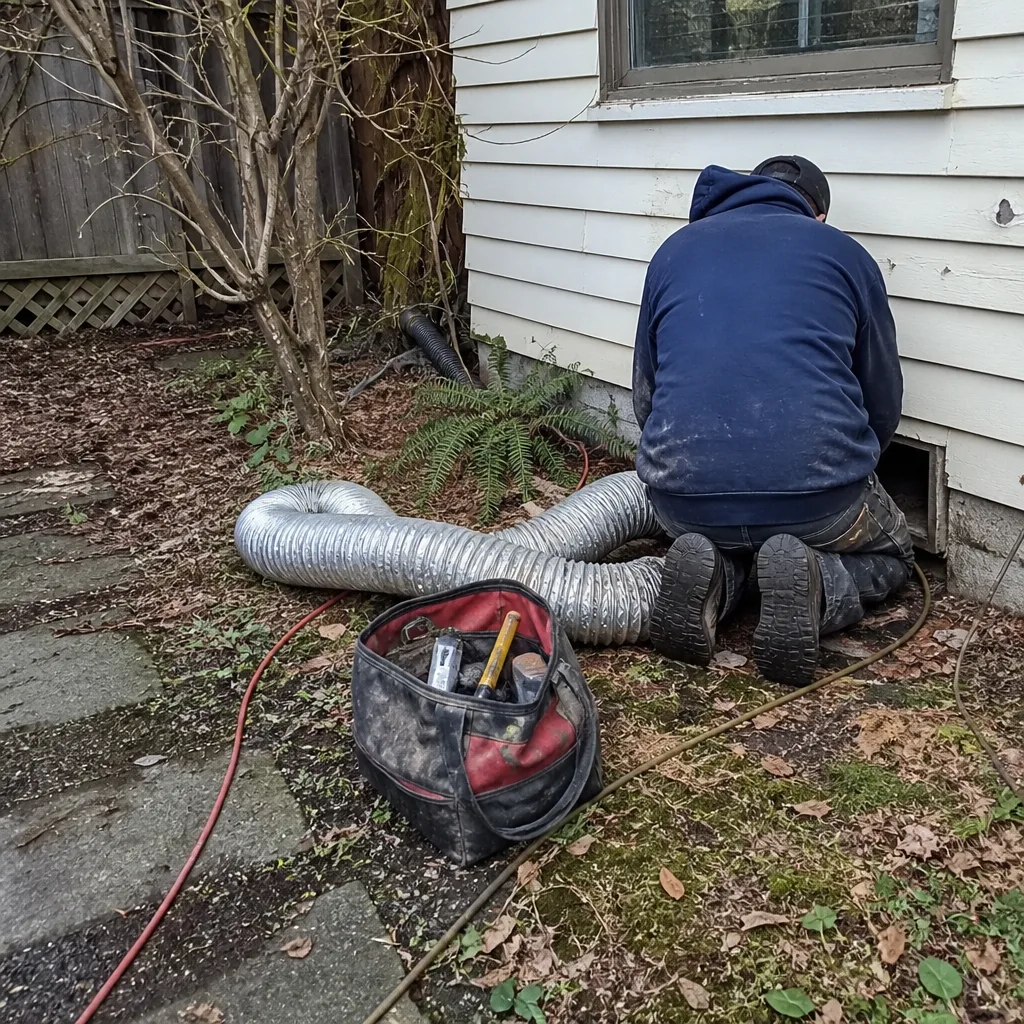 Before
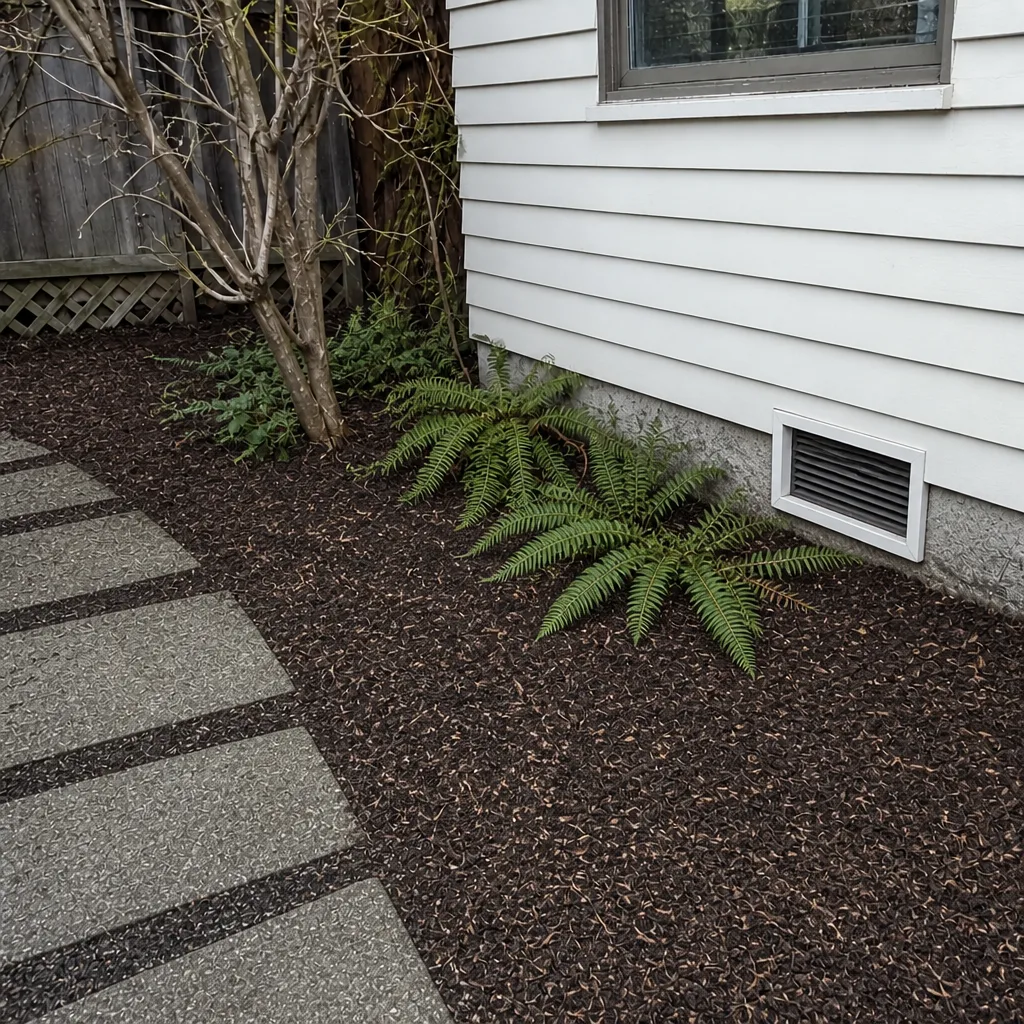 After
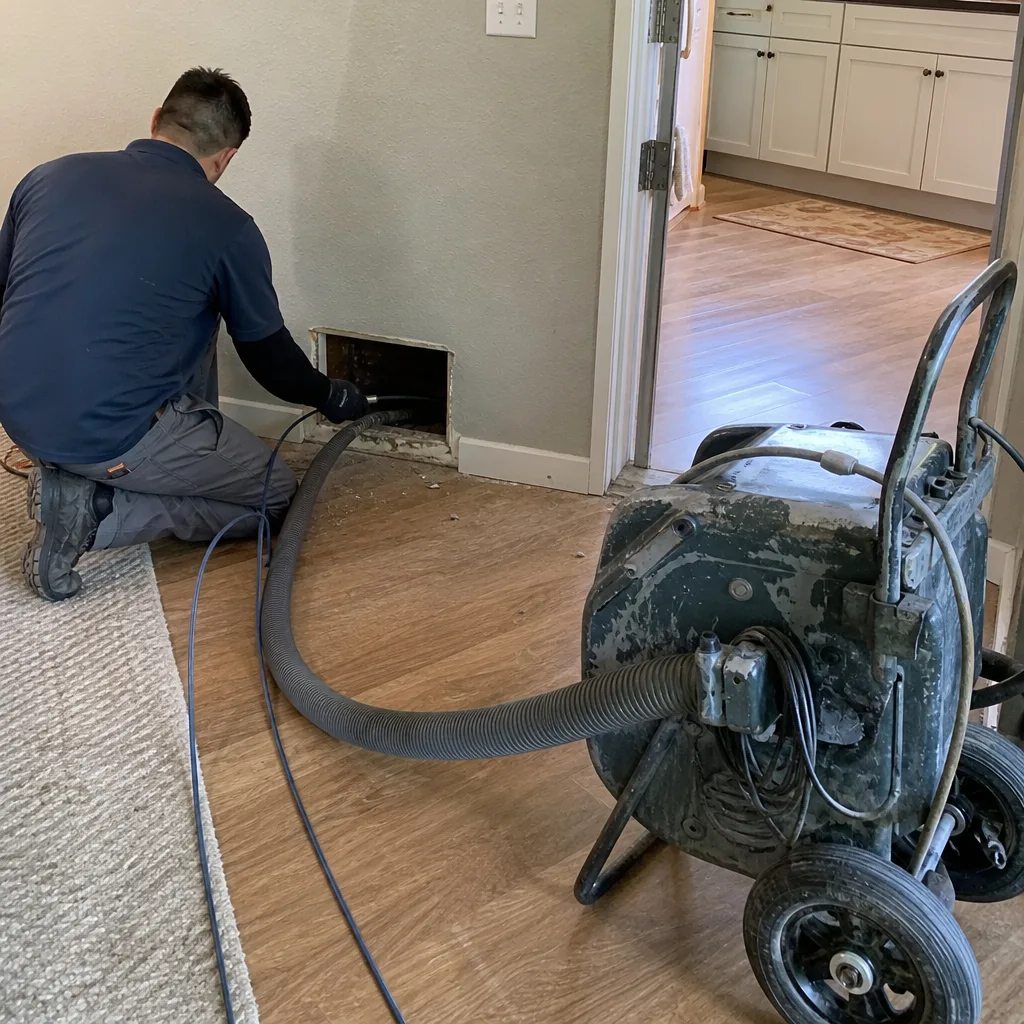 Before
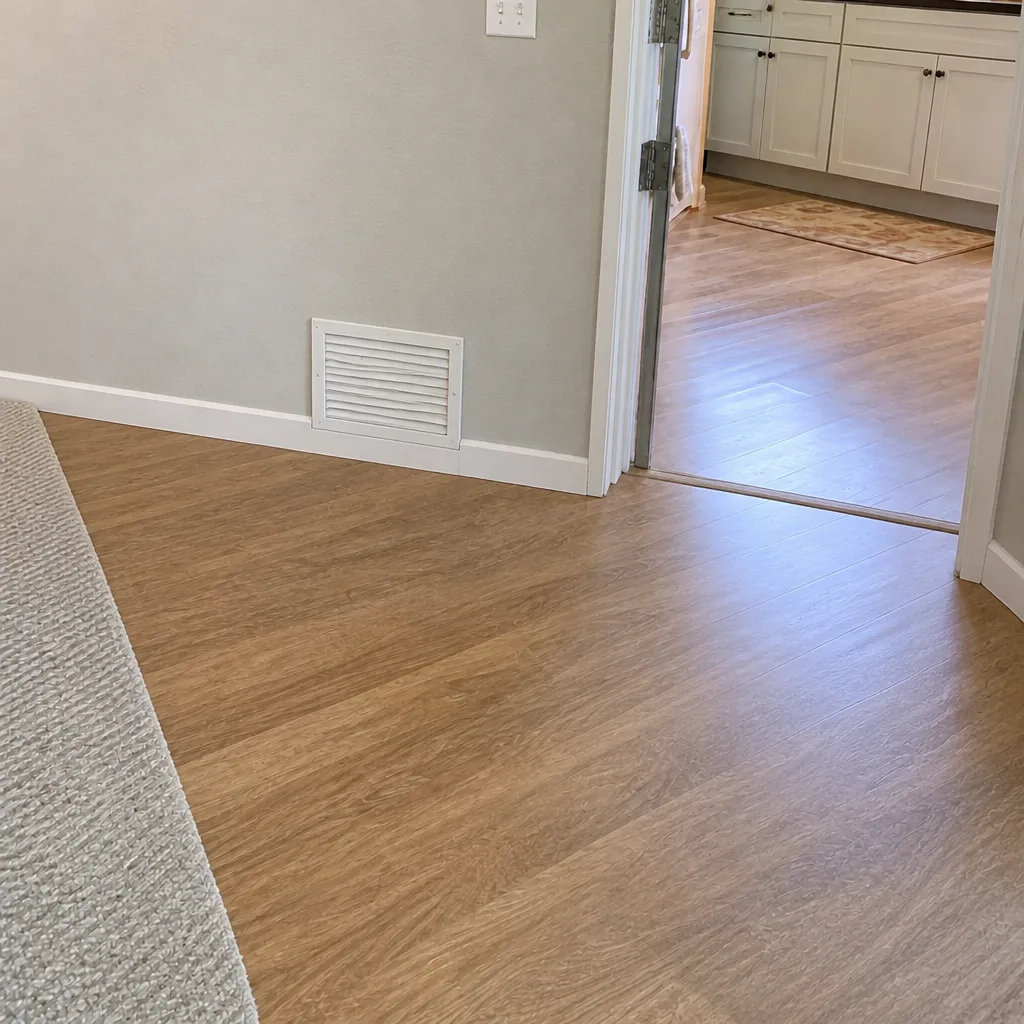 After
 Before
 After
When to Call a Professional
Call a professional when the system is producing visible dust at registers after a routine filter change, when airflow has dropped noticeably across multiple rooms, when you’ve finished a renovation and drywall dust has been pulled into the HVAC system, when the ducts have never been cleaned and the home is more than a decade old, or when anyone in the household has developed respiratory symptoms that clear up outside the home. Those are the routine triggers. The urgent one is a dryer taking two cycles to dry a load or a dryer vent that’s been untouched for years; both are fire-safety issues worth addressing on the next visit.
If you’re already at the quote stage, the fastest way to resolve the comparison is to get one more written estimate in hand. Air Duct Cleaning Ballard offers free estimates in Ballard; call (844) 443-4768. We answer 24/7. Fast dispatch from 7am to 7pm, Sunday through Friday. The local pros we connect you with use professional-grade equipment, hold to one flat price per system agreed before work starts, and photograph your own ducts before and after so you can see what changed.
Frequently Asked Questions
A whole-house residential duct cleaning in Ballard typically runs $350 to $700 in 2026, with a complete visit that includes sanitizing, coil cleaning, and dryer vent work often landing between $600 and $900. The range reflects duct count, access points, and which add-ons are appropriate for your home. The written estimate sets the final price
Cheap quotes are usually scoped smaller, not priced competitively: fewer registers, no returns, no containment, no negative air, and add-ons held back for the on-site pitch. When you compare a $99 offer against a $500 quote, you’re comparing a partial cleaning against a whole-house one. Get the register count and equipment list in writing from both and the difference becomes obvious. Call (844) 443-4768 for an itemized comparison quote; estimates are free.
Ask for before-and-after photos of your own ducts, taken by the technician during the visit. A legitimate cleaning produces visible before-and-after on every access point, and no legitimate company should object to photographing it. If photos aren’t included in the quote, ask for them in writing before you schedule. Call (844) 443-4768 to see what our quote format includes; estimates are free.
Most Ballard homes do well on a cleaning every three to five years, with shorter intervals after a renovation, after moving into a previously owned home with unknown service history, or in households with significant allergy concerns. Homes with pets and heavy carpet benefit from the shorter end. There’s no universal schedule; the system and household determine it. Call (844) 443-4768 for a free assessment tailored to your home; estimates are free.
Yes, in a specific way: the wetter months mean windows stay closed longer, so the recirculated air in your duct system gets more use and more traffic than in a drier climate. That reduces the benefit of “just wait it out” and pushes the maintenance interval shorter. Homes without mechanical ventilation are the ones that benefit most from a shorter schedule.
After, once the drywall dust has settled and the construction debris has been cleared. Cleaning before a renovation wastes the cleaning because the system pulls the new dust back into the ducts and settles it there. If a renovation is imminent, wait; if it’s already done, the cleaning is overdue. Call (844) 443-4768 to schedule a post-renovation cleaning; estimates are free.
The Bottom Line
Two quotes that differ by $400 in total can be identical in scope, or one can be a coupon waiting to become an $800 invoice on-site. The way to tell is to compare line items, not totals. Count your registers, ask for the equipment by name, confirm returns are included, and insist on before-and-after photos written into the quote. A legitimate cleaning in Ballard in 2026 lands between $350 and $700 for the base job and up to about $900 with sanitizing, coil cleaning, and dryer vent work folded in. That’s the honest number. Everything below it is either a smaller job or a partial job, and the quote should say which.
Call (844) 443-4768 to schedule a free estimate. We answer 24/7. Fast dispatch from 7am to 7pm, Sunday through Friday. One flat price per system, agreed before work starts, with photos of your own ducts before and after. Air duct cleaning, dryer vent cleaning, HVAC cleaning, duct repair and sealing, and air quality sanitizing: one visit, whole system, no second call to a second vendor.
Written by the team at Air Duct Cleaning Ballard.