
Last updated November 22, 2026
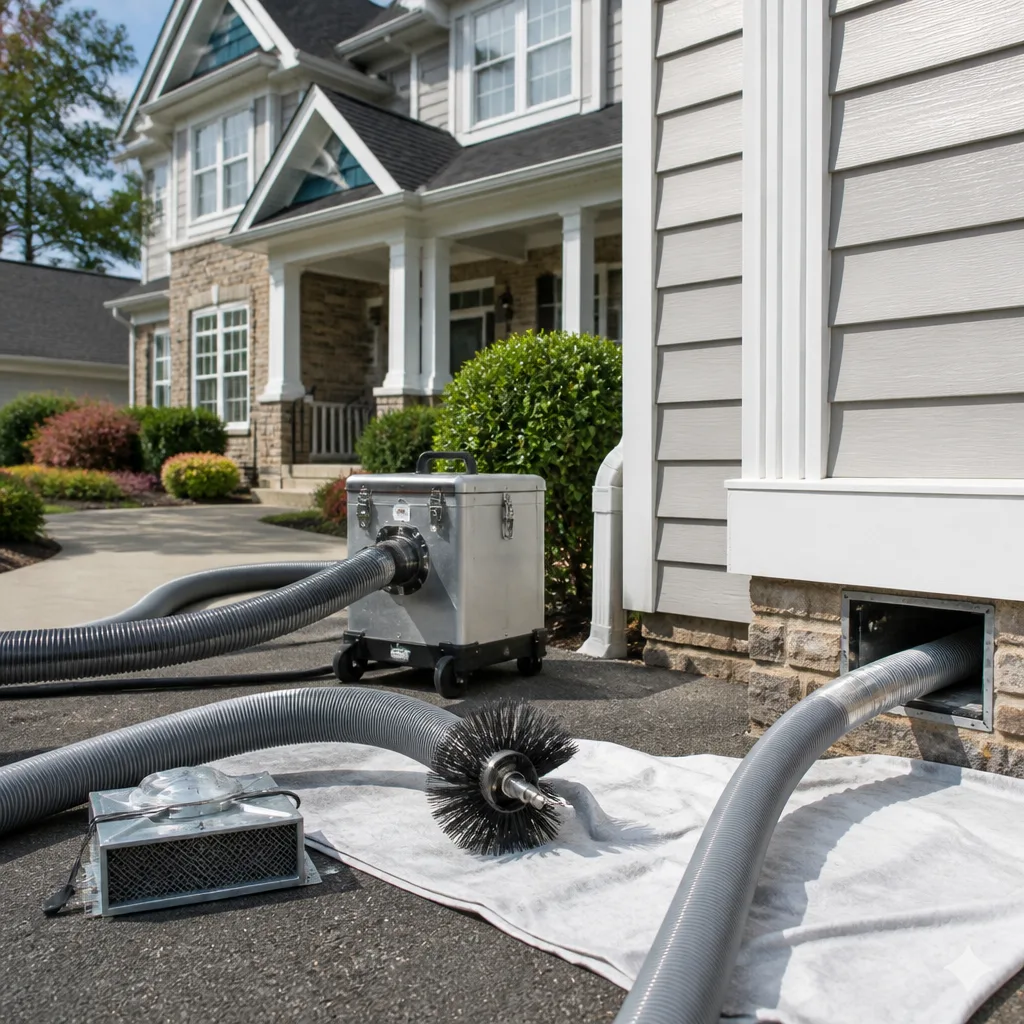 Whole-home duct cleaning
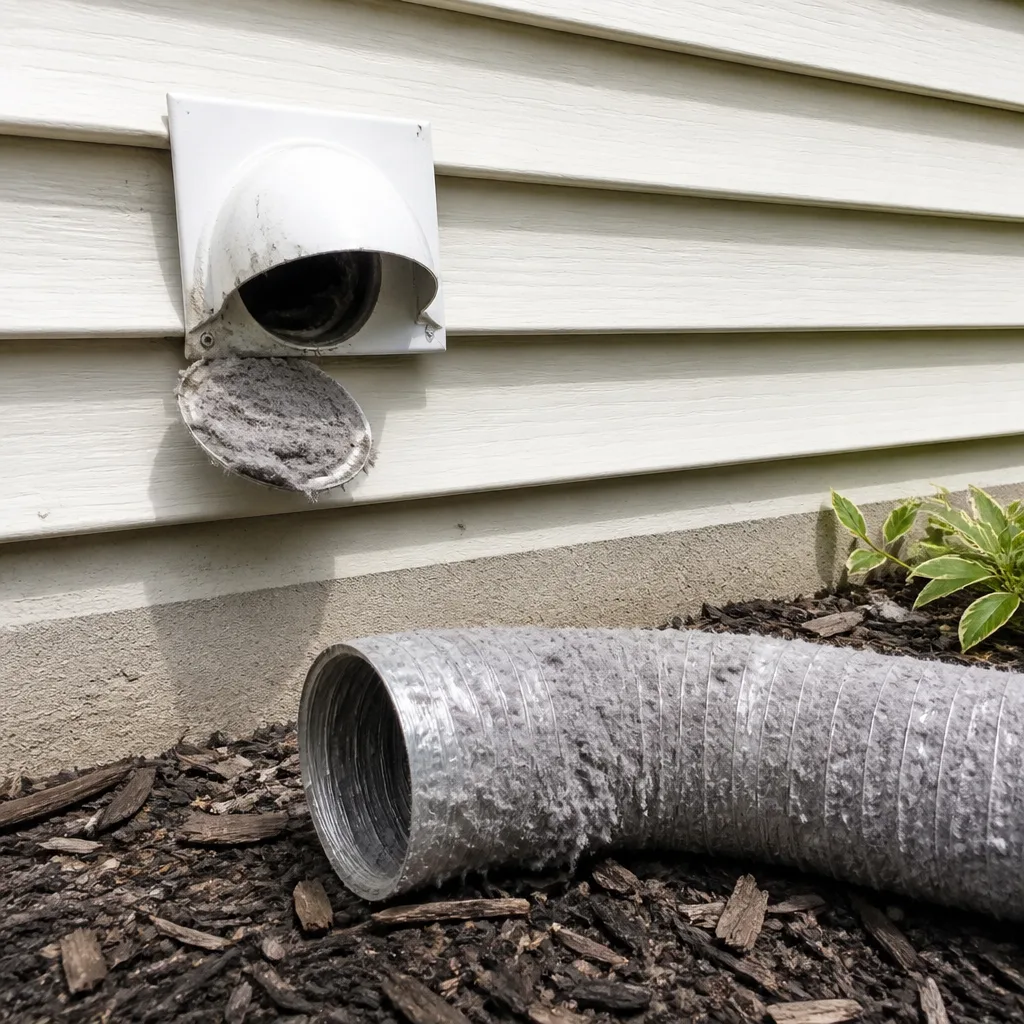 Dryer vent cleaning
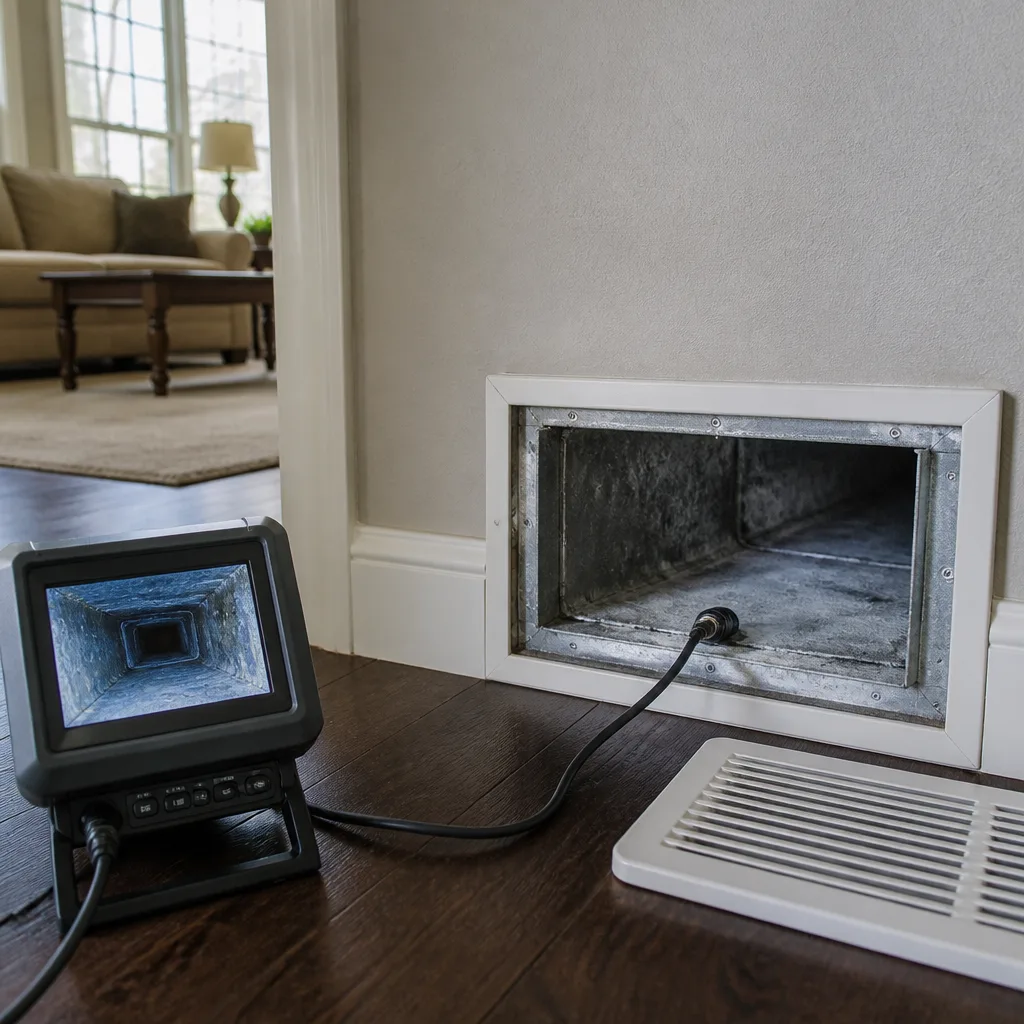 Camera inspection
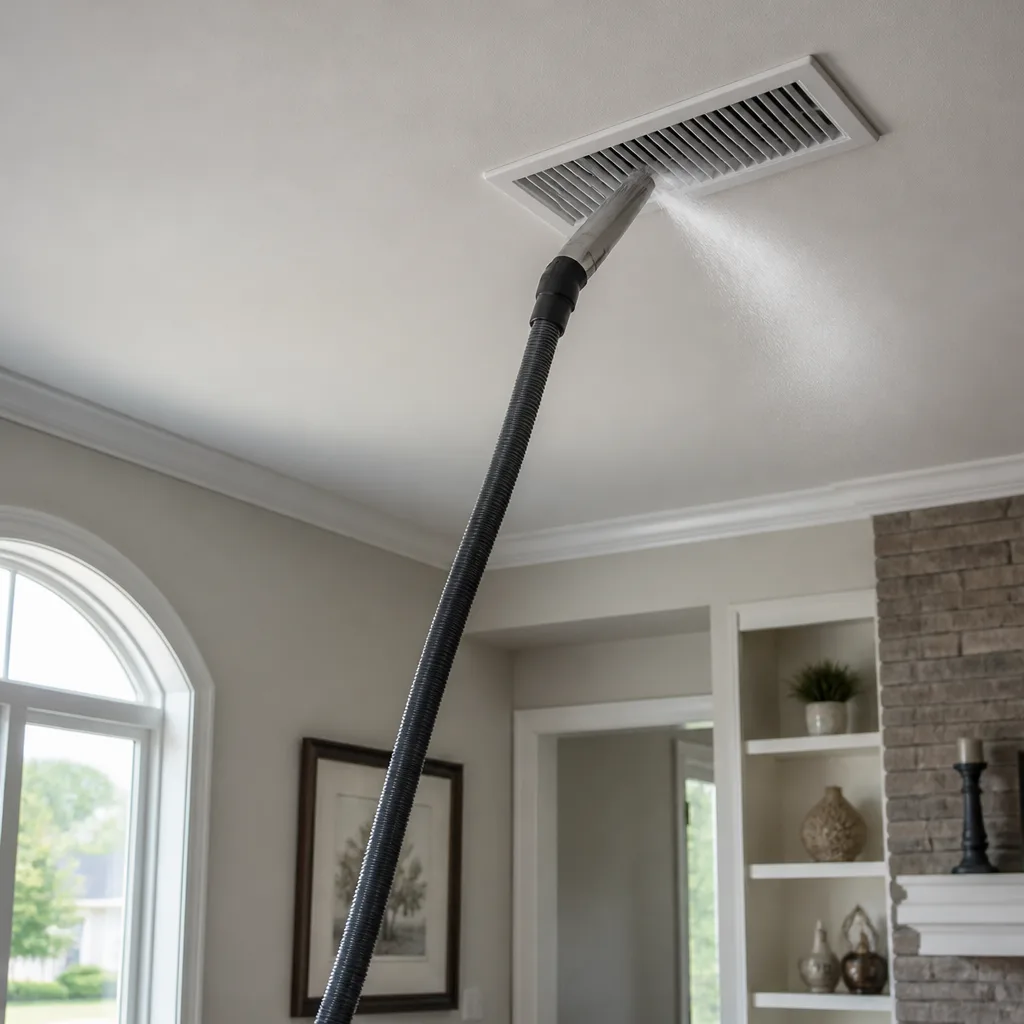 Sanitizing & deodorizing
Whole-system duct and dryer vent check with before-and-after photos - you see exactly what came out of your vents
That "$99 whole-house special" is a bait ad - the real number appears once they are in your hallway, or the "clean" is a shop-vac at the register. We photograph the inside of your ducts before and after instead.
Air Duct Cleaning Maintenance Checklist for Ballard Homeowners
The usual advice, clean your ducts every three to five years, leaves you with nothing to act on in year two when a musty smell shows up only on rainy weeks. That smell is a signal, and signals are what actually protect a home. Ballard is a neighborhood of older bungalows, mid-century splits, and newer townhomes, each with its own duct layout and its own set of weak points, and the failing systems we find share the same trait: nobody was watching between visits. This checklist is built around things you can observe yourself, no tools, no ladder, no guesswork. What follows are the monthly checks, the seasonal tasks that match a wet Northwest climate, and the record-keeping that pays off when you sell or hand off the house.
Quick Answer
A duct maintenance checklist for a Ballard home comes down to three habits: check registers and filters monthly, inspect the accessible parts of the system at each change of season, and log everything you notice so patterns stay visible. Most homes here do well with a full professional cleaning every three to five years, but the conditions around a house, not the calendar, decide the actual interval. Watch for filter loading rate, condensation at vents, and any new unevenness in airflow.
Styles & brands we work with
- Whole-home duct cleaning
- Dryer vent cleaning
- Camera inspection
- Sanitizing & deodorizing
Table of Contents
- The Monthly Five-Minute Walk-Through
- Wet-Season Checks for Ballard’s Rainy Months
- Dry-Season Checks: Dust Load and Filter Interval
- How to Track Filter Replacement Against Real Loading
- When Maintenance Crosses Into Repair Territory
- HVAC Coils and the Dryer Vent: Two Systems You Shouldn’t Forget
- Building a One-Page Maintenance Log
- What a Professional Visit Actually Covers
The Monthly Five-Minute Walk-Through
Most duct problems announce themselves with a sight or a smell long before they show up in airflow numbers. Set aside a few minutes each month to walk the house and look at the supply and return registers. This is the layer of maintenance that costs nothing and catches the most.
What to look at:
- Register color. Compare grilles against their own history. A return grille that has gone from light tan to grey-black in a few weeks is pulling more material than it should, and the filter upstream is probably overdue.
- Filter loading. Look at how much of the pleat is covered. If dust sits on half the filter face after a month, the system is moving heavy material and the interval needs to shorten.
- Condensation. Run your hand near registers on cold mornings. Wetness or a dark ring on the wall around a vent means moisture is entering the run somewhere, and in a Ballard wet season that is a repair item, not a cleaning item.
- Airflow feel. Put a hand over each supply register, in turn, on a normal day. Rooms should feel roughly similar. One warm, weak register and one roaring strong one is a pressure problem worth flagging.
- Odor. A musty smell that appears only on rainy weeks points to moisture in the system. A dry, dusty smell points to accumulated material. They are different problems and lead to different conversations.
Jot what you find. A dated note, even a short one, is worth a lot when a technician arrives asking when the smell started. If your walk-through turns up nothing but curiosity about the rest of the system, a scheduled air duct cleaning visit is the right moment to get a baseline reading on how much material has built up.
Wet-Season Checks for Ballard’s Rainy Months
Ballard’s wet season runs on a different clock than the rest of the country’s duct advice. Months of steady rain drive indoor humidity up, and an HVAC system that runs in a damp interior pulls that moisture into the ductwork. The result is condensation, musty odor, and, in crawlspace installations, flex duct that sags into contact with damp ground. Do the checks below twice during the rainy season, once as it starts and once near the end.
- Look for condensation stains. Rings around registers, dark spots at the base of supply boots, and beads of moisture on metal collars are all wet-season signals. Photograph what you see so you can compare next season.
- Check crawlspace flex duct. If your ductwork runs under the floor, walk the crawlspace and look for runs that have fallen away from their supports. Flex duct that touches the ground, or that hangs slack where it once sat taut, is a common sight in Ballard’s older homes. A disconnected run is worse: it sends conditioned air into the crawlspace and pulls moist ground air into the living space.
- Inspect joints and collars for gaps. Where a run meets the trunk or a boot, a gap that lets a little air escape in summer lets a lot of damp crawlspace air inward in a wet winter. Duct sealing is a maintenance decision that never gets easier when postponed.
- Watch your interior moisture. Bathroom fans that run, kitchen vents that clear steam, and a house that doesn’t feel clammy are all signs the interior moisture load is under control. If the house feels damp no matter what you do, the ductwork is one place to look.
Do the crawlspace check on a day you can bear to spend ten minutes down there. Walk the length of the system with a flashlight, look at the supports, and take a couple of photos. If you see loose or fallen runs, note them, don’t climb over them trying to fix anything; that’s a job for someone with the right approach and the right equipment.
Dry-Season Checks: Dust Load and Filter Interval
The dry months in Ballard bring a different set of signals. Air is less humid, dust settles and lifts more easily, and pollen season puts a fine load on any filter that’s past its replacement point. Use the dry season to compare against what you noted in the wet season. Filter that clogs quickly in July but not in November is telling you something about how well the system is moving air, not just how much dust is in the house.
Practical dry-season checklist:
- Write down how many days a filter lasts before the pleat face is half-covered. Compare that to winter.
- Open windows on dry days and then watch the registers. Dust load in a house rises fast when exterior air is dry and breezy.
- Look at the inside of the return grille after a dry stretch. A coating of fine grey dust on the return is an early signal the system is pulling more than the filter is catching.
- Check the evaporator coil area if you can see it. A coil that is matted with dust is doing less cooling with more effort, which shows up on your energy bill before it shows up in airflow.
Dry-season dust isn’t a reason to clean more often. It’s a reason to track the loading rate so the interval you actually use, whether that’s a fixed schedule or a reactive one, matches the house. Our technicians have up to 13 years of experience reading these signals, and we’d rather see your written loading notes than guess at how hard your system is working.
How to Track Filter Replacement Against Real Loading
Fixed filter schedules, replace every 90 days, replace every three months, come from a general assumption, not from your house. A Ballard home with two pets and an open window in summer loads a filter in weeks. A tightly sealed home with one occupant loads the same filter over months. Track loading against your own observations and let the house set the interval.
A short tracking method that works:
- Note the date and the filter brand or model number when you install a new filter.
- On the same day each week, look at the filter face and rate the coverage in quarters, approximate, you don’t need to measure.
- When coverage passes fifty percent across the visible face, the filter is doing less work than you think. Change it and note the date.
- Over a season, look at the average time between changes. That’s your real interval for this house.
If your home has a thicker media cabinet system, the tracking is more forgiving, but it still matters. Honeywell and Aprilaire media cabinets and the filters they take aren’t cheap, and you’ll want to get full service out of each one without running it well past loaded. If you’re not sure which filter your cabinet takes, or whether a washable setup is holding up, that’s a good question to bring to a technician who has serviced the same brand before.
When Maintenance Crosses Into Repair Territory
At some point, a duct system stops wanting maintenance and starts needing repair. The signals are specific. When you see any of the following, the checklist has done its job, and the next step isn’t cleaning; it’s diagnosis and repair.
- Visible rust at collars or boots. Rust on metal duct components means prolonged moisture contact. Cleaning won’t fix the source.
- Persistent odor after cleaning. If ducts have been professionally cleaned and a musty smell returns within a few weeks, air is still moving from a wet area into the system. Look for the source before calling for another cleaning.
- Uneven room pressurization. A room that is stuffy, or one that pulls its door shut when the system runs, is telling you the supply and return balance is off. A missing or disconnected run is one cause; a poorly sealed trunk is another.
- Sagging or disconnected flex duct. Found in the crawlspace, either case means conditioned air is being lost or outside air is being pulled in. Sealing or replacing that section is a repair.
- Whistling or rushing at one register. Air noise at a single vent often traces back to a gap or obstruction somewhere upstream.
The distinction matters because duct repair and sealing addresses the actual cause of energy loss and contamination. A cleaning that doesn’t fix a gap is a cleaning you’ll be paying for again in two years. If you’d rather have eyes on the whole system, that’s what an HVAC cleaning visit is for: the technician inspects and cleans the whole air system, and fixes what turns up.
HVAC Coils and the Dryer Vent: Two Systems You Shouldn’t Forget
Ductwork gets the attention, but two other parts of the air system fall into the same checklist. The first is the HVAC equipment itself. The second is the dryer vent, which is a distinct fire-safety component and one of the most commonly neglected.
On the HVAC side, the air handler and evaporator coil collect dust and biological material over time. A coil with a matted surface cools less efficiently and can start holding moisture, which puts a wet, organic load right at the start of the supply duct. Have the coil building inspected each time the ductwork is serviced. If you have a filtration or purification component from Honeywell or Aprilaire installed, ask the technician to check that it’s operating as it should while they’re in the system.
On the dryer side, lint accumulates in the vent line, not just the screen. A vent run that climbs, bends, or ends in a long exterior route is the one that fills fastest. The signs to watch for are clothes that take two cycles to dry, a dryer that gets hot to the touch, or lint visible at the outside termination. Schedule dryer vent cleaning at the same time as the duct cleaning so the whole air system is handled in one visit, and check the run for kinks during the dry-season inspection.
If you’re not sure whether the dryer vent route is clear, don’t assume the screen is catching everything. Lint that escapes the screen nests in the flexible line and along the bends.
Building a One-Page Maintenance Log
A maintenance log is the single most useful piece of paper you can keep on your house’s air system. It converts a series of small observations into a record that answers questions later: when the ducts were last cleaned, which filter brand the cabinet takes, what the technician found on the last visit. If you ever sell the home, it’s also evidence that the system was cared for.
Structure the log as a simple table. Columns that work:
- Date. Every observation and every service.
- What was done. Filter change, cleaning, coil service, duct sealing, dryer vent cleaning.
- Filter brand and model. Write down the exact model, not just the size. Honeywell, Aprilaire, and standard pleated filters take different cabinets and different media.
- Findings. Rust, moisture, odor, disconnected run, sagging flex. Anything the technician reported goes here in their words.
- Next action and date. What you intend to do next and when.
Keep a paper copy near the air handler and a photo of it on your phone. The photo copies over to whoever next services the system, and to any buyer who asks “when were the ducts last cleaned?” If the answer comes with a page that shows every date and every finding, the home’s air system reads as cared for, not unknown.
What a Professional Visit Actually Covers
A professional visit is where the checklist hands off. What should happen is straightforward, and knowing the sequence helps you judge whether the crew you’ve called is doing the work you’re paying for.
- System walk-through with the technician. They look at the whole system before touching it, register by register, including the accessible trunk and any crawlspace runs.
- Containment setup. Negative air containment is standard on a professional cleaning. It keeps material from escaping into the living space while the system is worked on. A shop-vac and a coupon don’t do this step.
- Contact cleaning at professional grade. Rotobrush contact-cleaning systems and Nikro negative-air machines are the tools of the trade on residential work, and they’re what we use on every job. The cleaning is are mechanical, not vacuum-and-go.
- Filtration and containment equipment used through the service. Abatement Technologies filtration equipment supports the containment, which is a commercial-contractor standard brought into the home.
- On-the-spot repair and sealing. Where the technician finds a sagging run, a joint gap, or a disconnected boot, repair and sealing should be part of the visit. It’s the reason to have a crew that can do the diagnosis and the fix in one call.
- Sanitizing where warranted. Air quality sanitizing is a distinct service for allergy and respiratory-sensitive households and post-renovation cleanups. It’s not a substitute for cleaning; it follows after the system is physically clean.
A written report of findings and before-and-after photos of your own ductwork are the record that answers the question “was the work actually done?” Insist on both. If a crew comes without a containment setup or a plan to handle repair work, that’s a sign it’s not the full service you’re paying for.
Common Mistakes to Avoid
- Watching the calendar and not the house. “Every three to five years” is a range, not a schedule. A home that has just been renovated, has pets, or sits near a dusty street needs its system checked against those conditions, not the calendar.
- Using fixed filter replacements as a planning tool. If you change the filter every 90 days regardless of how loaded it is, you’ll over-change on one system and under-change on another. Both waste money. Track loading.
- Cleaning a system with active leaks or gaps. In Ballard’s wet months, cleaning ductwork with a gap at a collar means the cleaning gets undone fast. Sealing has to come first or at the same time.
- Skipping the crawlspace in the rainy season. The crawlspace is where wet-season duct trouble hides. A run that has dropped onto damp ground will be clean inside in October and musty inside by January.
- Forgetting the dryer vent. The dryer vent is part of the same air system and a separate safety concern. It’s one of the most-neglected maintenance items in a working home.
- No after-photos. A cleaning without before-and-after photos of your own ducts leaves you with nothing to check against. Ask for them.
- Hiring on price alone. A quote that is far below the range for a full-system cleaning is usually a quote for something less than a full-system cleaning. The cost shows up in what wasn’t done.
See the difference
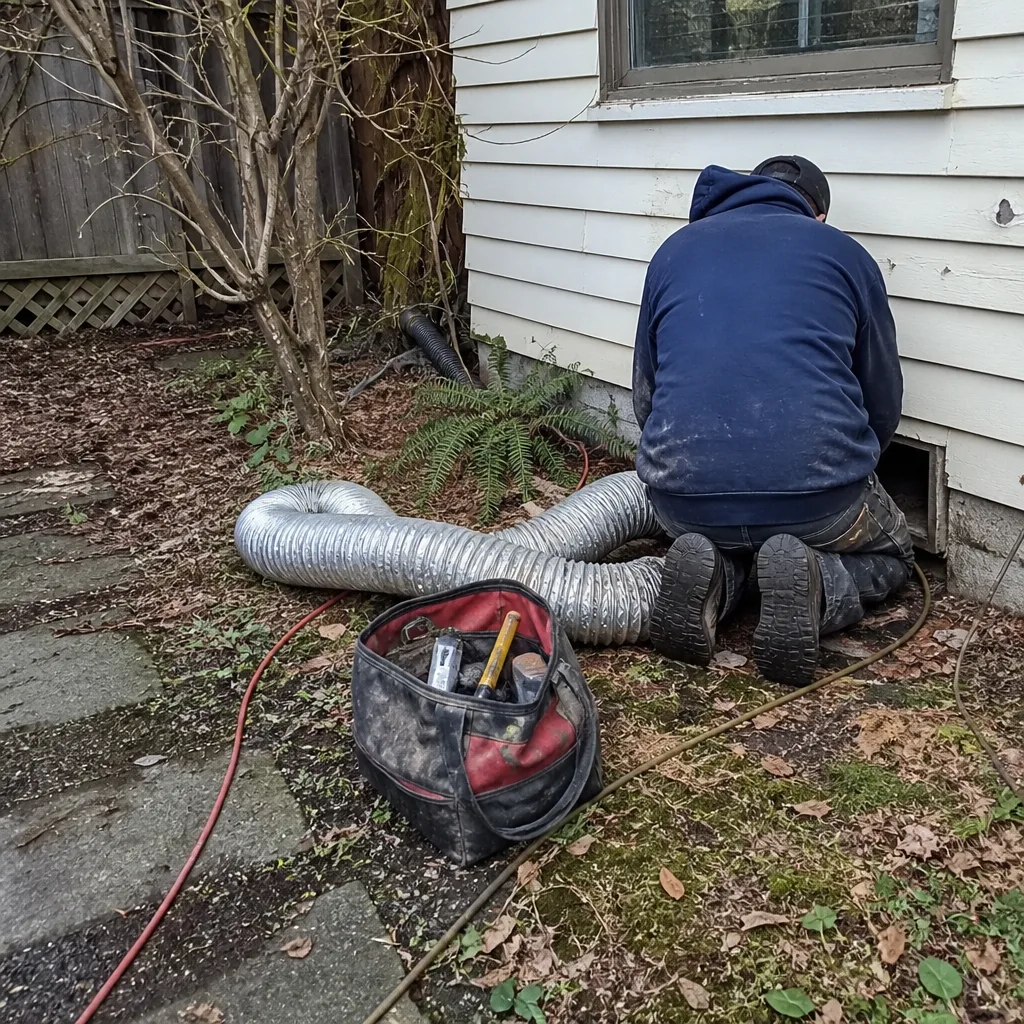 Before
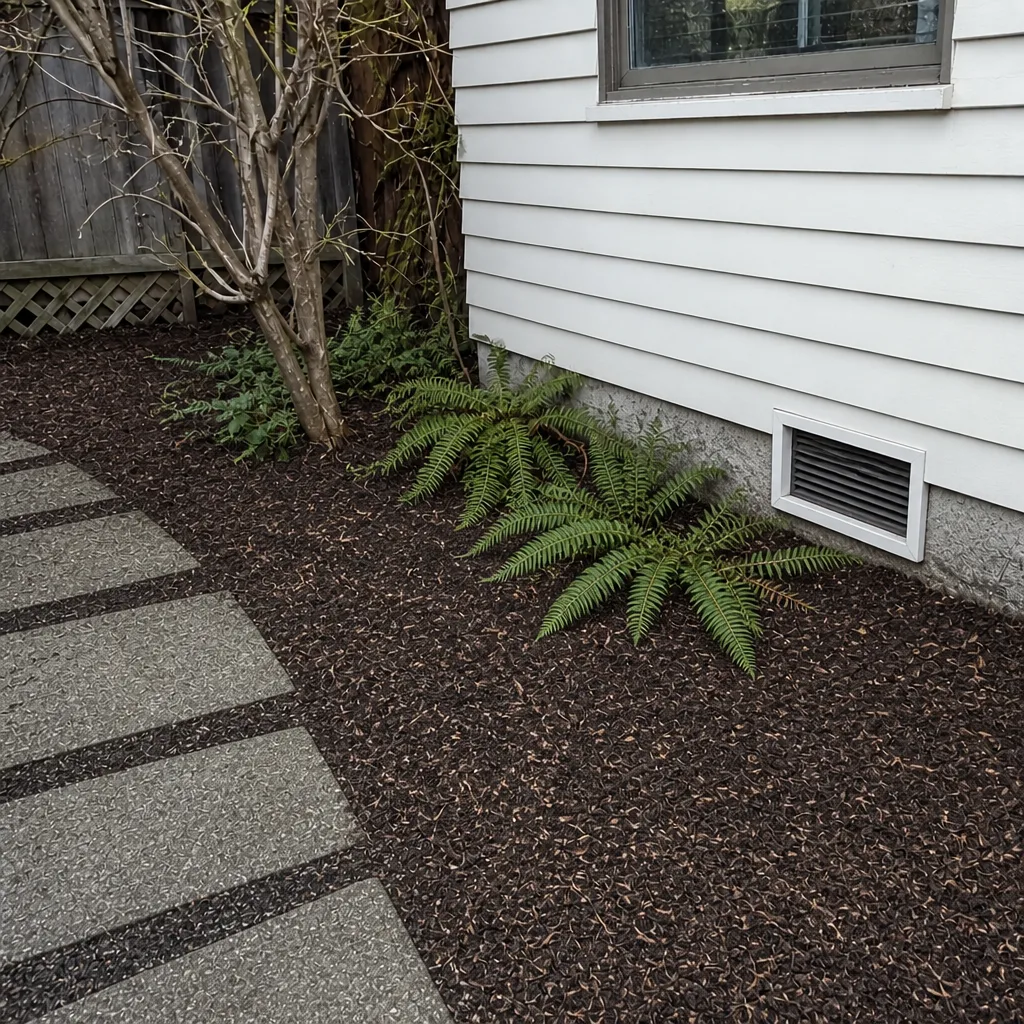 After
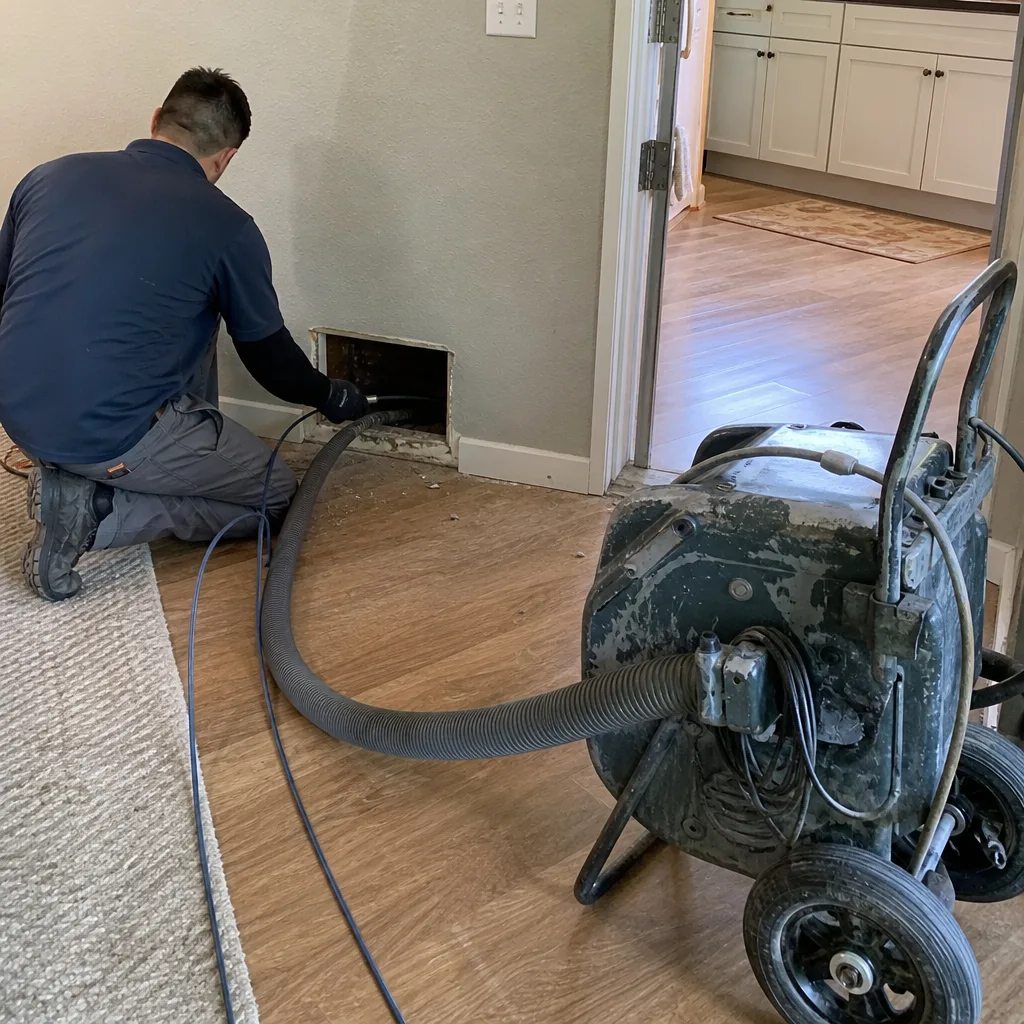 Before
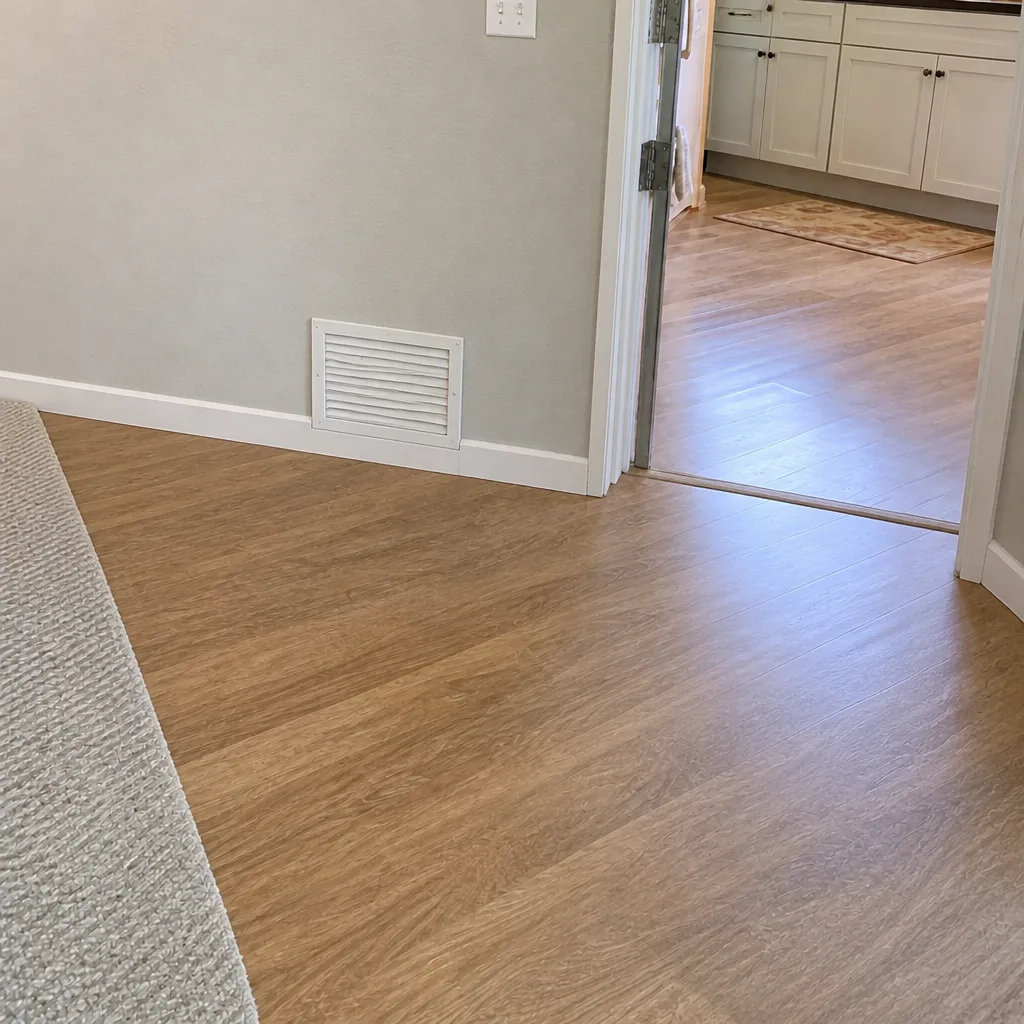 After
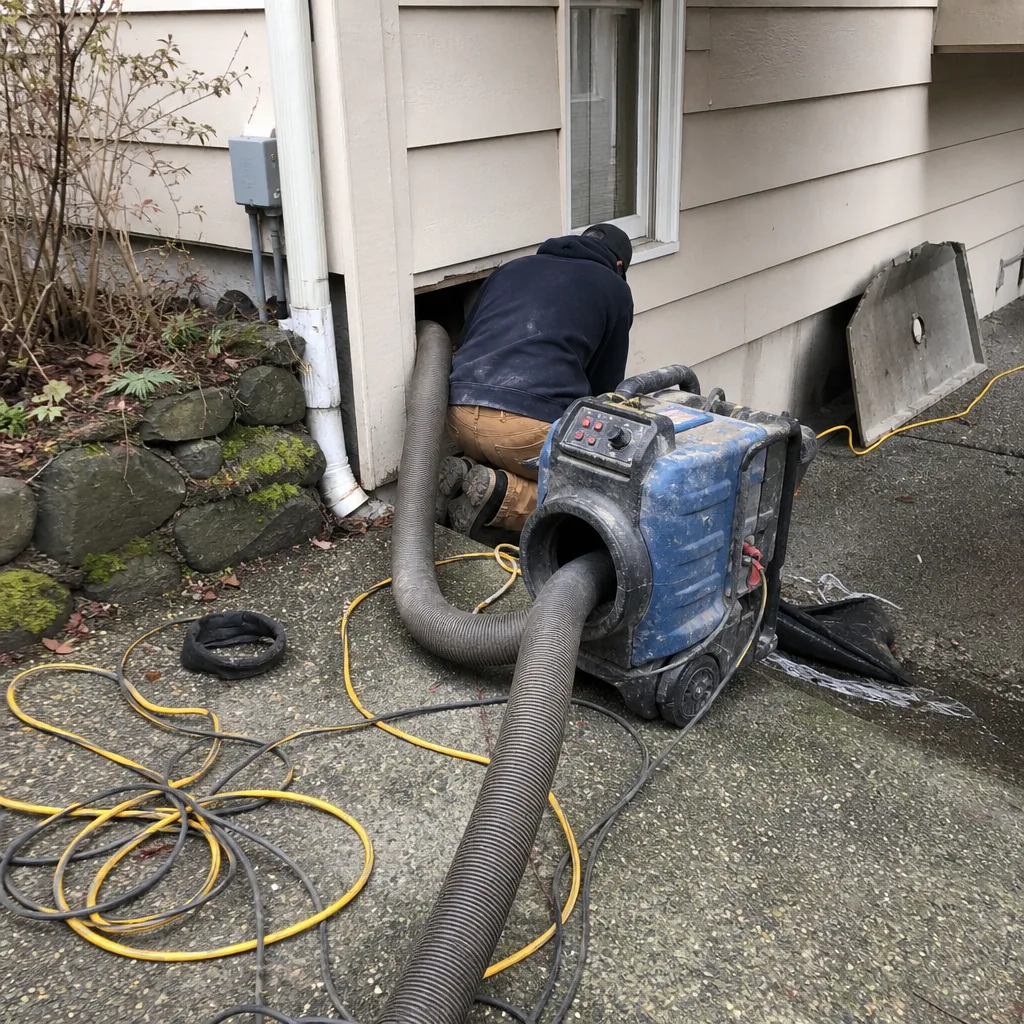 Before
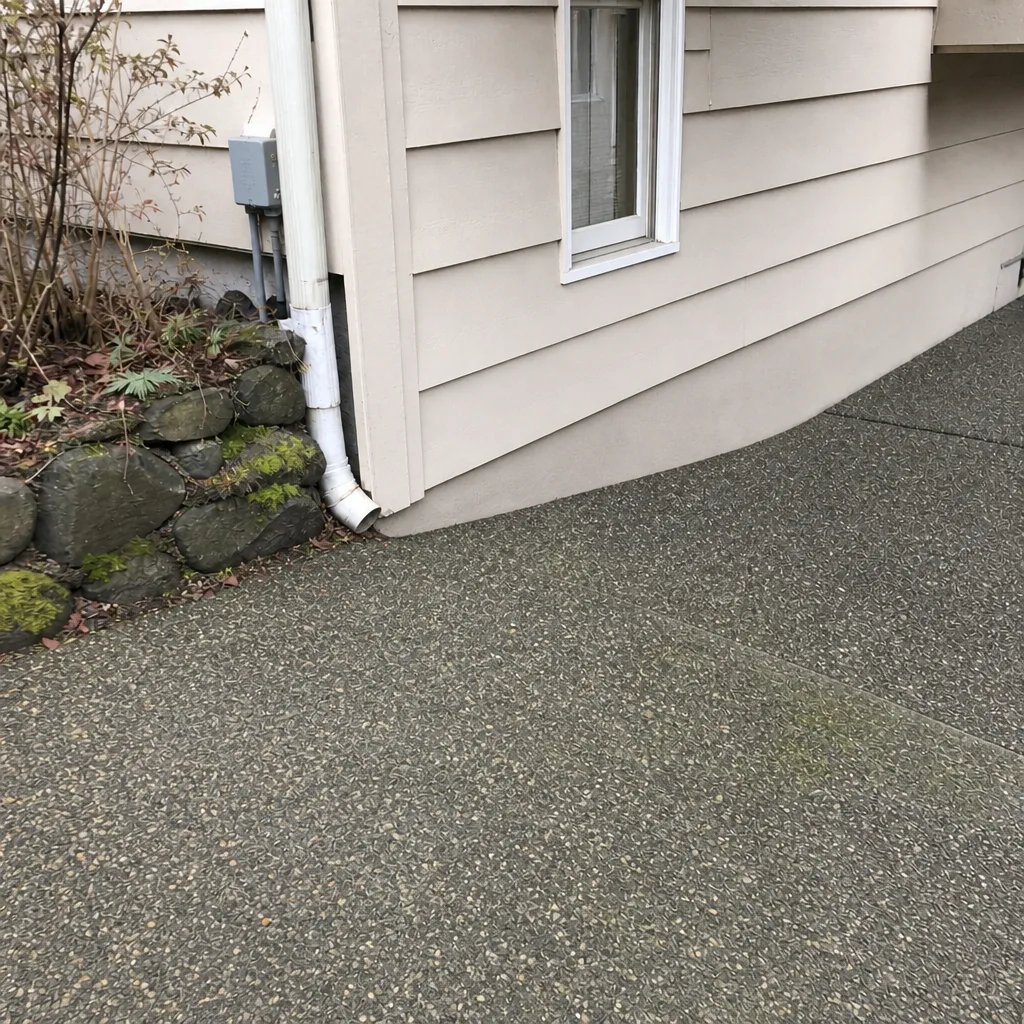 After
When to Call a Professional
Some conditions call for a professional visit before the next scheduled cleaning. Call if you’ve found visible rust at a collar or boot, if a musty smell returns after a cleaning, if a room is suddenly pressurizing differently than it used to, or if you’ve spotted a sagging or disconnected crawlspace run during the wet season. Call after a renovation that put a fine dust load through the whole system, if you’re moving into a home with unknown service history, or if you have allergies, young children, or older family members in the house and the air quality feels wrong. Air Duct Cleaning Ballard offers free estimates in Ballard. Call (844) 443-4768. We answer 24/7. Fast dispatch from 7am to 7pm, Sunday through Friday. The estimate is per job by written quote, so the price you agree to is the price, with no per-vent pricing.
Frequently Asked Questions
Every three to five years for most Ballard homes, with adjustments based on conditions. Homes with pets, recent renovations, or a history of moisture in the crawlspace will usually need a shorter interval. Homes with well-sealed ductwork and a clean crawlspace can often go longer. Track filter loading and the condition of registers to know which case applies to your house. Call (844) 443-4768 for an exact quote; estimates are free.
Wet-season moisture is reaching the system. Common sources are condensation on cold duct runs, a gap at a crawlspace joint, or a sagging flex run that is now sitting on damp ground. A cleaning that doesn’t fix the source won’t stop the smell. The right next step is diagnosis and sealing, not another cleaning. Call (844) 443-4768 to get a professional eye on it.
Look at the filter slot or cabinet label; the model number is usually printed there. Honeywell and Aprilaire media cabinets each take their own filter models, and standard pleated filters won’t fit those cabinets. If the label is unreadable, note the cabinet model on your maintenance log and bring the question to the technician. Call (844) 443-4768 if you’d like us to identify it during a visit.
Yes, and you should during the wet season. Walk the crawlspace with a flashlight and look at the runs for sag, falling away from supports, disconnection, or contact with damp ground. Don’t try to repair anything yourself. Note what you find and photograph it. Call (844) 443-4768 to have the issues assessed and repaired.
Ask for before-and-after photos of your own ductwork and a written report of findings. Containment equipment should be in place during the visit, and professional-grade contact-cleaning equipment should be on-site. If a crew comes without those, the job isn’t a full-system cleaning. Call (844) 443-4768 to schedule a free estimate with a written scope.
Because they cover less. A low quote often means no containment, no contact cleaning, no repair or sealing, and no after-photos. The difference shows up in what wasn’t done. We price the job as one flat price per system agreed before work starts, with the written estimate as the final price. Call (844) 443-4768 for an exact quote.
The Bottom Line
A duct maintenance checklist for a Ballard home has more to do with watching your house than marking the calendar. The monthly walk-through catches register color, filter loading rate, and condensation. Wet-season checks catch crawlspace flex that has sagged or disconnected. Dry season is when you measure real loading and reset the filter interval. When rust, returning odor, or uneven pressure shows up, maintenance has crossed into repair. The written log ties it all together, and the professional visit is where diagnosis, cleaning, sealing, and photos happen in one call. Clean air isn’t a luxury; it’s what the system is built to deliver, and the checklist is how you keep it that way between visits. Call (844) 443-4768 for a free estimate.
Written by the team at Air Duct Cleaning Ballard.