
Last updated November 22, 2026
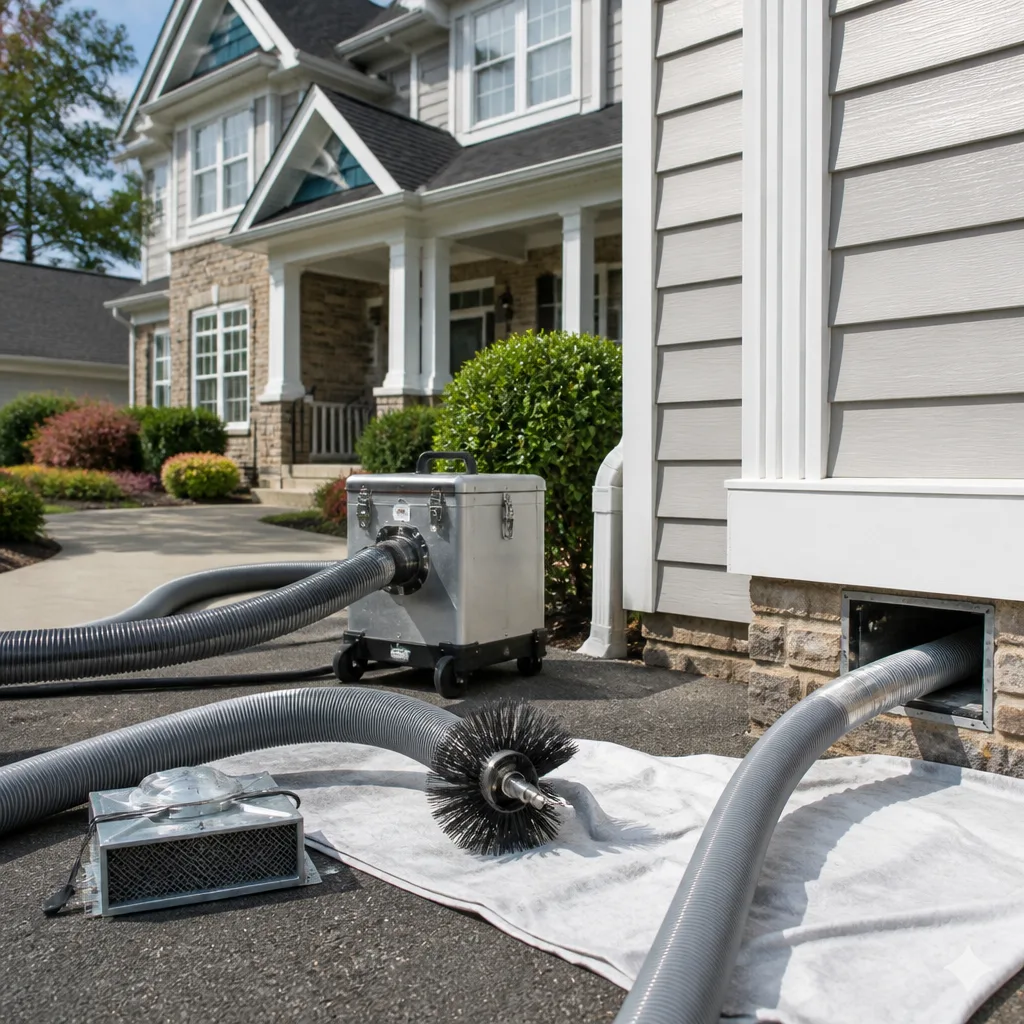 Whole-home duct cleaning
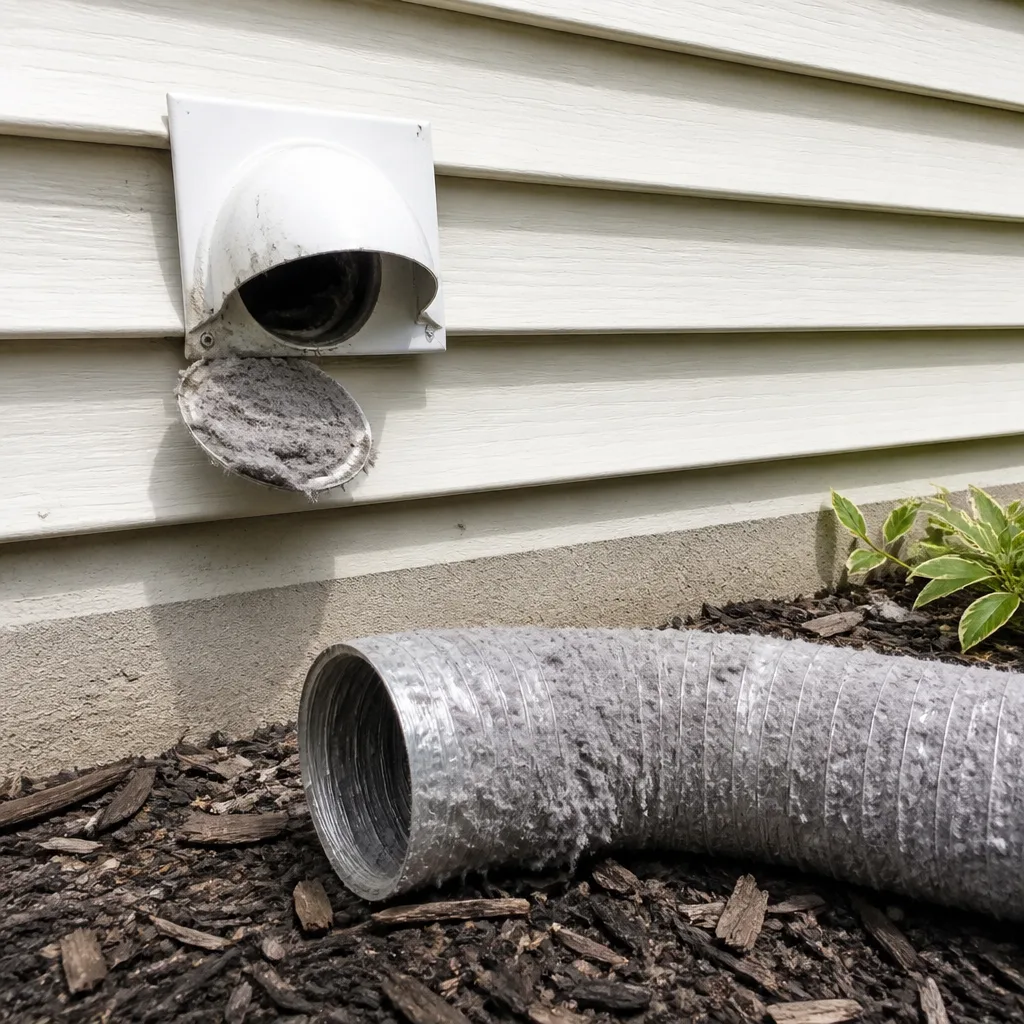 Dryer vent cleaning
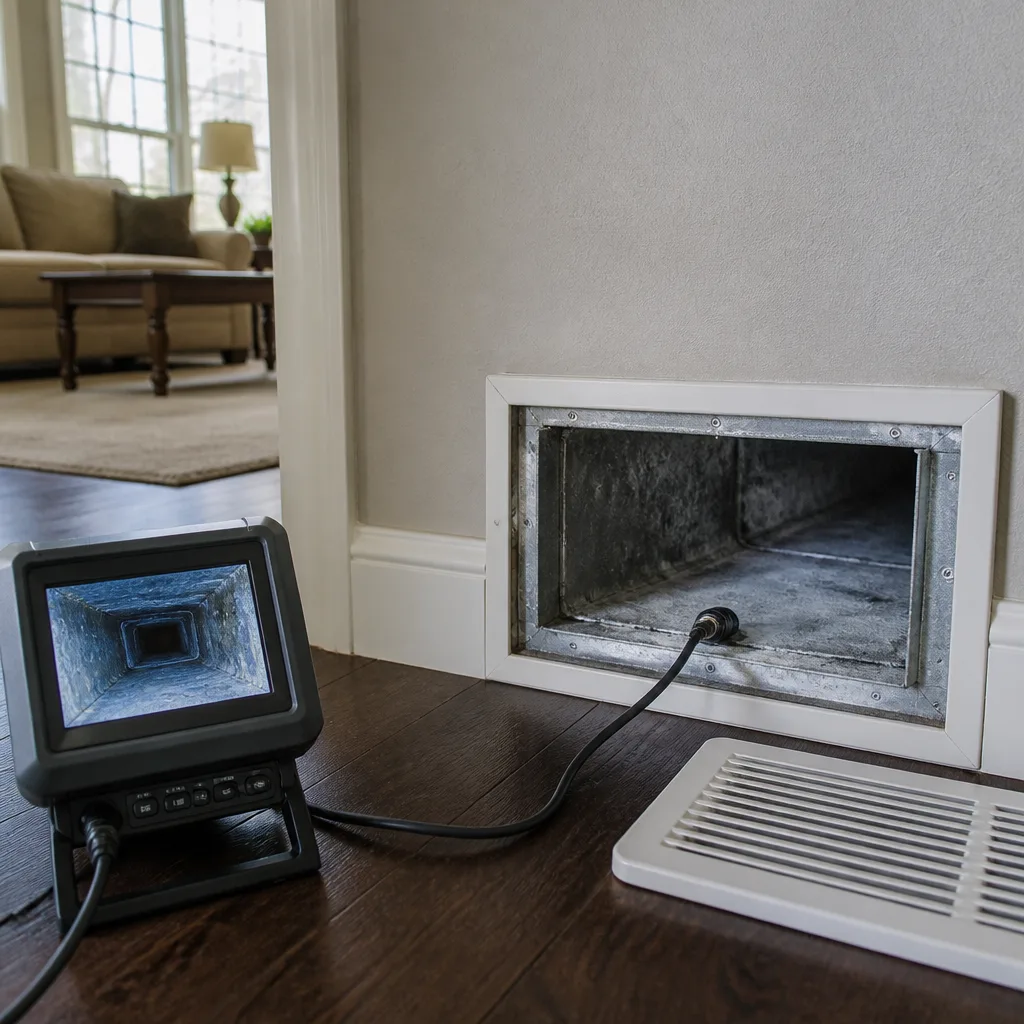 Camera inspection
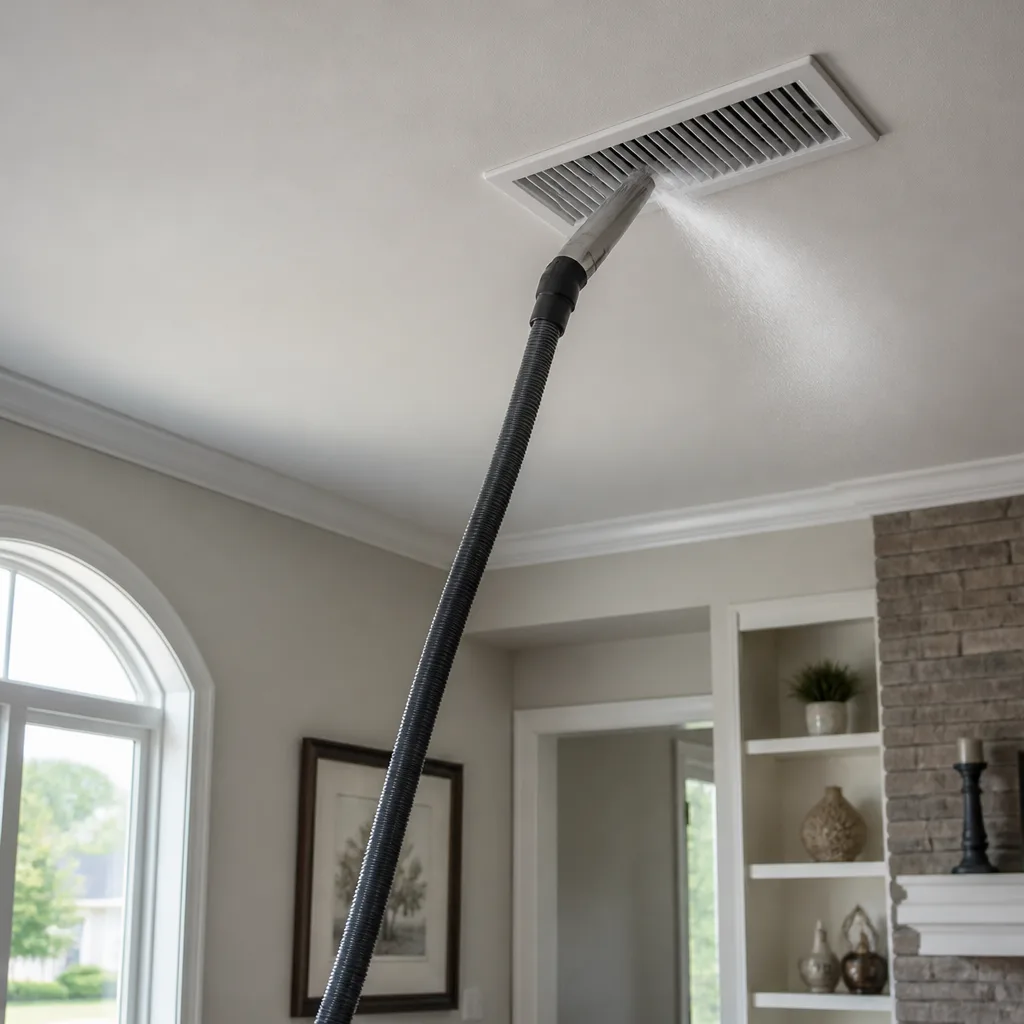 Sanitizing & deodorizing
Whole-system duct and dryer vent check with before-and-after photos - you see exactly what came out of your vents
That "$99 whole-house special" is a bait ad - the real number appears once they are in your hallway, or the "clean" is a shop-vac at the register. We photograph the inside of your ducts before and after instead.
Air Duct Cleaning Emergency Preparedness Guide for Ballard Homes
Most duct problems in Ballard aren’t slow, dusty issues that build up over years. They arrive fast: a smoke layer that settles over the neighborhood for a week, a burst supply line that soaks a crawlspace, a sewer backup that finds a floor register, or a renovation that fills the return side with drywall dust in an afternoon. In each case, the first 24 to 48 hours decide whether your duct system needs a clean or a full remediation. What you do in that window matters more than any routine cleaning you’ll schedule all year. This guide walks through each scenario one at a time, shows what to shut down and what to document, and explains when a homeowner should stop handling it alone and bring in professional-grade equipment. It’s written for Ballard, where the housing stock and the weather both shape how these emergencies actually play out.
Quick Answer
In an air duct emergency, the correct first move is usually to shut the system off and seal the openings, not to run it. Smoke, floodwater, sewage, and construction dust all get worse when air keeps moving through contaminated ductwork. Turn off the HVAC at the thermostat, cover or close every register, document the damage before touching anything, and call a professional with containment and sanitizing capability within 48 hours. Filter upgrades to MERV-13 should happen before smoke season, not during it.
Key Takeaways:
- Shut the HVAC off first in smoke, flood, sewage, or heavy construction dust events; running the fan spreads contamination through the whole system.
- Mold can begin establishing in wet ductwork and crawlspace duct runs well inside the 48-hour window, so moisture intrusion is always urgent.
- Standard duct cleaning does not fix a flood or sewage event; those need sanitizing protocols, not just vacuuming.
- Document everything with photos and timestamps before cleanup if you plan to file an insurance claim.
- Ask for before-and-after photos of your own ducts, and get one flat price per system in writing before work starts.
Styles & brands we work with
- Whole-home duct cleaning
- Dryer vent cleaning
- Camera inspection
- Sanitizing & deodorizing
Table of Contents
- Wildfire Smoke Protocol for Ballard Homes
- Post-Flooding Duct Response and the 48-Hour Window
- Sewage Backup and Duct Contamination
- Construction Dust During a Ballard Renovation
- Filter Upgrades Before the Next Smoke Event
- Insurance, Documentation, and the Contractor Conversation
- Common Mistakes to Avoid
- When to Call a Professional
Wildfire Smoke Protocol for Ballard Homes
When wildfire smoke settles over Seattle the way it did during the August 2023 event, when the air quality index climbed past 170, the instinct for a lot of people is to keep the house closed up and let the HVAC run. That instinct is half right. The building envelope should stay sealed, but whether the system should run depends on what filter is in it and whether the fan stays on recirculate only. A basic fiberglass filter won’t trap fine particulate, and in recirculation mode the system keeps pulling outdoor air through a weak filter and depositing it inside the ductwork for days.
What to do during a smoke event
- Check your filter rating first. If you’re running anything below MERV-13 during a smoke event, turn the system off rather than run it. A low-efficiency filter passes the fine particulate straight through.
- Set the thermostat to fan-only or off. Do not run the system in automatic cooling mode if it pulls fresh air. Keep windows and doors closed, and seal gaps at the threshold if you can.
- Run a standalone HEPA purifier if you have one. A portable purifier in the room you use most does more good than a leaking duct system running hard.
- Do not vacuum, sweep, or run a shop vac indoors. Those activities lift deposited particulate back into the air.
- Plan the duct cleaning for after the event. Smoke particulate that has settled onto duct interiors stays there and re-enters every time the fan runs. Cleaning with a contact system like those from Rotobrush removes it, but the job is easiest and cleanest once outdoor air has cleared.
In Ballard, the duct systems we see in older homes often have the most surface area for smoke particulate to settle on because they were installed decades ago with rigid metal runs and few seals. That gives particulate plenty of ledge to sit on. If your system is one of them, plan on professional air duct cleaning after a heavy smoke season, not just a filter change.
Post-Flooding Duct Response and the 48-Hour Window
Ballard has a lot of homes with ductwork running through crawlspaces, and those runs are the first part of the system to suffer after a plumbing failure or a heavy rain event that pushes water into a low foundation. When crawlspace ductwork takes on moisture, mold can establish itself inside the insulation wrap and on the duct exterior well inside 48 hours. Water that enters the duct interior during a flood event is worse still: it carries silt and contaminants through the entire run and leaves standing moisture in low sections that will never dry while the system is sealed.
What a post-flood duct response involves
- Kill the HVAC immediately and pull the thermostat breaker or the furnace switch. Running the fan after water intrusion pulls moisture and contaminants into the entire system.
- Photograph everything – water lines, wet insulation, any visible mold, the state of each register – before anything is touched.
- Get the crawlspace drying immediately. Air movement and dehumidification in the crawlspace itself come first. Ductwork inside a wet crawlspace will not dry no matter how much air is moved through it.
- Treat contaminated ductwork as a remediation, not a cleaning. Floodwater is classified as contaminated water. Standard cleaning does not address it. Sanitizing after mechanical cleaning is required.
- Replace any ductwork that can’t be dried and cleaned. Flexible duct that has been submerged or soaked through usually can’t be saved. Rigid metal can often be cleaned and sanitized.
The containment standard commercial contractors use is what makes a flood remediation work: negative air pressure with HEPA filtration, so contamination is pulled out of the space rather than pushed into the rest of the house. That’s why we use Abatement Technologies filtration equipment and Nikro negative-air machines on this kind of job – the same class of equipment used in commercial water-damage work. If a contractor shows up after a Ballard flood with a shop vac and no HEPA containment, they’re not set up for this job.
Sewage Backup and Duct Contamination
A sewer backup that reaches a floor register is a serious contamination event, not a cleaning problem. Category 3 water – sewage – carries pathogens, and once it enters a floor register it can wick into the duct run and deposit biological contamination through the low sections of the system. Running the HVAC after that happens moves sewage-contaminated air through the entire house. It also deposits contamination deeper into the ductwork, sometimes into areas that are hard to reach without dismantling supply lines.
Do not run the system after a sewage backup reaches a duct opening. Seal the register, keep the area ventilated from the outside if possible, and call a professional. The correct response is:
- Mechanical cleaning with contact tools to remove the biological and physical contamination
- Application of an EPA-registered sanitizer appropriate for HVAC systems
- Containment during cleaning so contamination is not dispersed through the house
- Verification photos before and after, particularly of the sections that were affected
We do not recommend any homeowner attempt a sewage-affected duct cleanup themselves. Even with gloves and a mask, the contamination spread risk is significant, and a shop vac without HEPA filtration aerosolizes whatever gets pulled in. In Ballard, the homes most at risk of a sewage-to-register path are those with basement floor drains and low-mounted registers, particularly in the older construction stock where a floor drain and a supply register can share a tight mechanical corner.
Construction Dust During a Ballard Renovation
Renovation dust is the duct emergency that most people underestimate because it happens gradually over weeks rather than in a single event. Drywall dust, sawdust from framing, and silica particulate from tile and concrete work all migrate into the return side of an HVAC system if the system is running during the work. Once pulled into the return, they settle across the supply side and every register, and they stay there long after the renovation is finished.
During a Ballard renovation, the right approach is to protect the ductwork before work starts, not after:
- Cover and seal every supply and return register in the work zone with plastic and painter’s tape. Do not rely on a filter alone.
- Turn the HVAC off during any demolition or heavy sanding. Running the blower during demo work is the single biggest cause of duct contamination on a renovation job.
- Isolate the work area with plastic sheeting and use a negative air machine if dust will be heavy. Containment at the source stops the migration.
- Change the air filter frequently during the work, and use a MERV-13 or better filter in the final weeks.
- Schedule professional HVAC cleaning once the renovation is complete. This is when the whole system has the most settled particulate, and cleaning before the final post-construction HVAC tune-up is the cleaner order.
Construction dust isn’t the same as routine dust. It’s abrasive, it’s fine enough to pass a standard filter, and it’s often combined with adhesive and paint particulates that settle and set. Those have to be removed with mechanical contact cleaning, which is why we use professional-grade contact systems and not just high-pressure air on a construction dust job.
Filter Upgrades Before the Next Smoke Event
Filter selection is the plainest decision a Ballard homeowner can make before the next smoke event, and it’s the one most people put off. The reason: MERV ratings are not a continuum you can just slide up without thinking about the system. Higher MERV means higher resistance to airflow, and a residential blower designed for a MERV-8 filter may not have the static pressure headroom to handle a MERV-13 without losing airflow. That’s the reason to make the decision before smoke season, not during it.
- MERV-13 is the practical minimum during a smoke event for fine particulate capture. Below that, the filter passes most of the smoke particulate into the airstream.
- Check system compatibility first. Some residential systems have filter cabinets sized for a 1-inch filter that can’t accept a MERV-13 without restricting airflow. In that case, an upgraded media cabinet (Honeywell and Aprilaire both make widely installed options) is the right move, and both brands are systems we service regularly.
- Install before smoke season, not after the event starts. During the smoke event, filter cabinets are the hardest parts to source and the wrong time to discover the system can’t take the upgrade.
- Replace at the manufacturer’s interval under smoke conditions – typically more frequently than the normal interval, since loads are much heavier. Do not wait for the filter to look dirty.
If you’re not sure what your existing filter cabinet can take, that’s a question worth answering with a quick inspection rather than a guess. A system with an undersized cabinet trying to run a MERV-13 will lose airflow and stress the blower, which trades one problem for another.
Insurance, Documentation, and the Contractor Conversation
If your duct contamination came from a covered event – a burst pipe, a flood event, a sewage backup – the insurance process and the duct remediation process run in parallel, and both succeed or fail on the quality of the documentation. The homeowner’s job is to document before cleaning; the contractor’s job is to provide a report the insurer will accept.
What to document before cleanup starts
- Photograph the source of the water or contamination first – the failed supply line, the backed-up floor drain, the smoke layer at the windows if it’s a smoke event.
- Photograph each affected register and the surrounding floor or wall, with a timestamp. Wide shots and close shots both matter.
- Note the date and time contamination is first observed, and the date and time you shut down the system. That shutdown timing is actually a positive in the claim.
- Keep the receipts for any emergency dehumidifier rental, fan, or emergency filter you buy.
- Do not clean before you photograph. The single most common claim problem is a homeowner who mops up before taking images. That cleanup is admirable and it makes the claim far harder to process.
What to ask the duct contractor
The contractor conversation should produce a report the insurer can use. Ask for:
- Before-and-after photos of the actual ductwork, not the truck or the equipment
- A written description of the contamination category (floodwater, sewage, smoke, construction dust) with the scope of work performed
- A written scope of what was cleaned, what was replaced, and what was sanitized
- Confirmation that EPA-registered sanitizers were used, with the product name on the report
- One flat price per system, agreed before work starts, listed on the invoice
Any duct contractor who can’t provide these should not be handling an insurance-related remediation on a Ballard home. That’s the difference between a service visit and a documented remediation. We can work with your insurer on a documented event, and the report is a normal part of how we do the job – not something added after the fact.
Common Mistakes to Avoid
- Running the HVAC to “clear the air” during a smoke event. If the filter is below MERV-13, running the fan makes it worse, not better. It pulls outdoor particulate into duct interiors that then deposit it across every register.
- Cleaning up before photographing. Insurance claims live or die on documentation, and a homeowner who mops up before taking photos of the water line or the affected register has made the claim harder to process.
- Treating flood or sewage duct contamination like routine cleaning. Wet and sewage-affected ductwork needs mechanical cleaning plus sanitizing, often plus replacement. A standard cleaning pass will not fix it.
- Waiting out a wet crawlspace. In Ballard, crawlspace ductwork after a water event can’t dry while the system is sealed. Waiting a week to see if it dries is how mold gets established.
- Keeping the HVAC running during renovation demo. The single biggest cause of post-renovation duct contamination is running the blower while walls come down and floors are sanded.
- Buying the cheapest duct cleaning quote after a smoke event. A low bid on a post-event job is usually a shop vac and a filter change, not a contact clean with sanitizing and containment. The quote is cheaper because the scope is smaller, not the work.
- Upgrading to MERV-13 without checking the filter cabinet. A system sized for a MERV-8 filter may lose airflow badly with a MERV-13. Check compatibility before smoke season, not during.
When to Call a Professional
Call a professional when any of the following describes your situation: the system ran during a smoke event and you’re seeing dust or soot on register faces; water reached crawlspace ductwork or the duct interior; a floor drain backup reached a register; demolition or sanding happened while the HVAC was running; or you’re filing an insurance claim and need a documented remediation report. Call professional help if any of those apply.
Air Duct Cleaning Ballard offers free estimates in Ballard – call (844) 443-4768. We answer 24/7. Fast dispatch from 7am to 7pm, Sunday through Friday. Our technicians have up to 13 years of experience, and we use professional-grade equipment including Rotobrush contact-cleaning systems, Nikro negative-air machines, and Abatement Technologies filtration for containment during service – the same class of tools commercial contractors specify, in your home.
What a professional cleanup includes for an emergency-related event
- Source-area inspection: filter cabinet, register faces, crawlspace duct runs, and any low sections of duct where water collects
- Containment setup with negative air filtration before cleaning begins
- Mechanical contact cleaning with professional-grade equipment on the full duct run
- Repair and sealing of any leaks identified during cleaning
- Sanitizing with EPA-registered products appropriate to the contamination type
- Before-and-after photos of the ducts themselves, provided to the homeowner
- A written report for insurance or documentation purposes where the event warrants it
We also handle dryer vent cleaning during the same visit if you ask, which is worth doing after any event that involved moisture or debris in the mechanical space. The dryer vent is the other air path in the house that’s easy to overlook.
See the difference
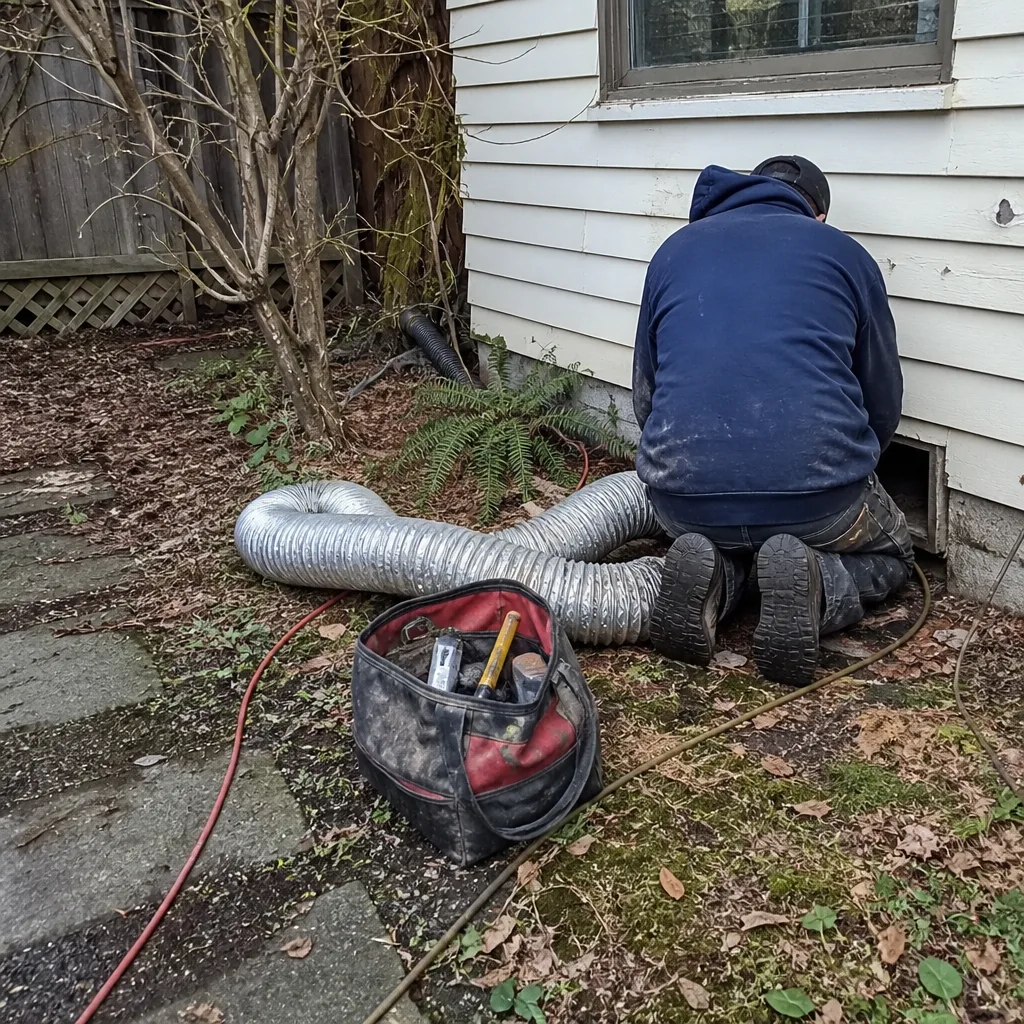 Before
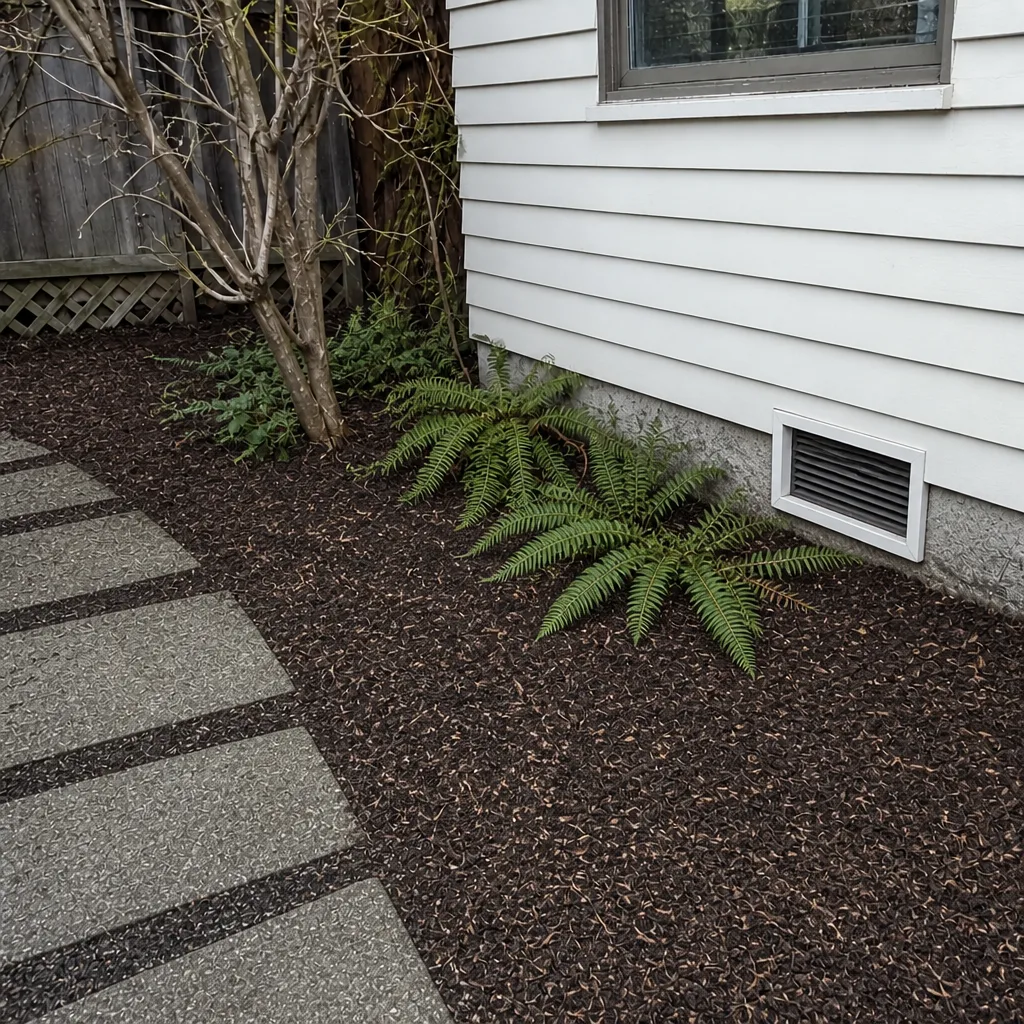 After
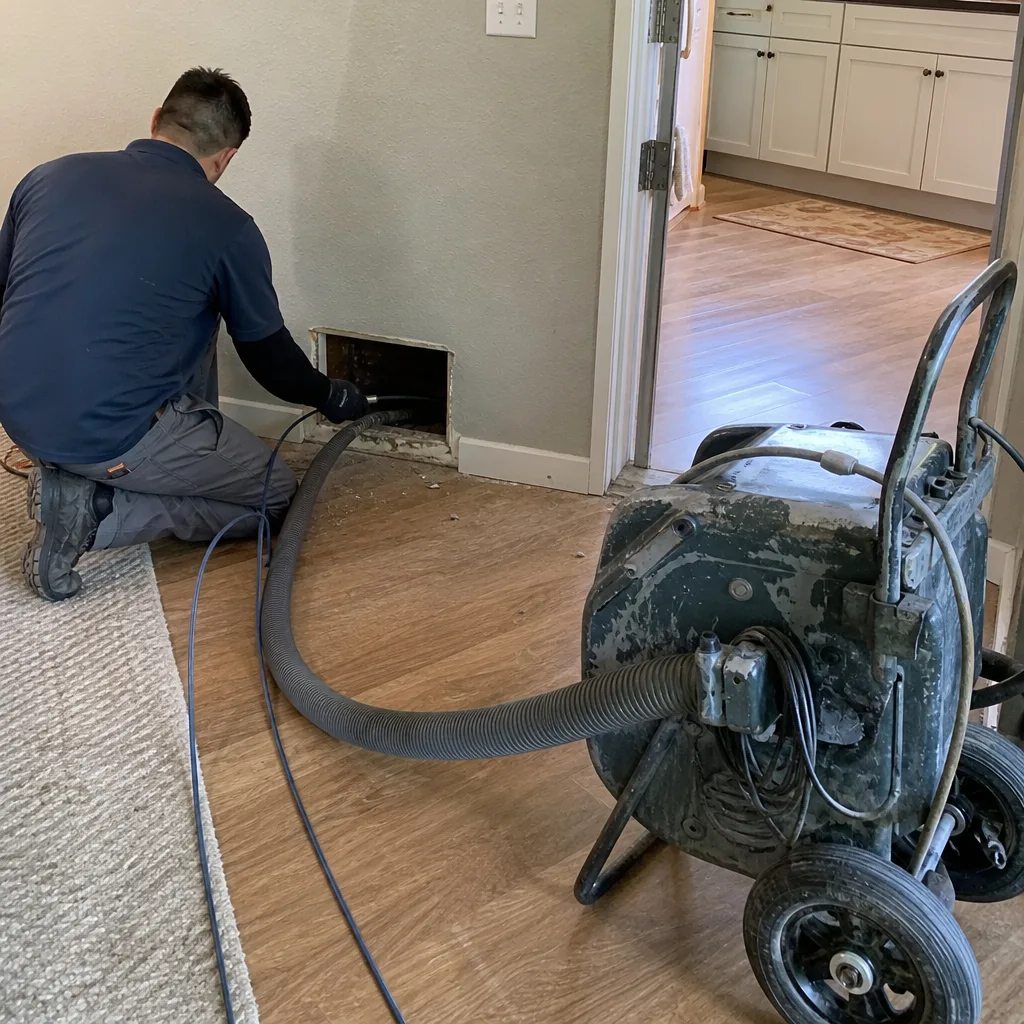 Before
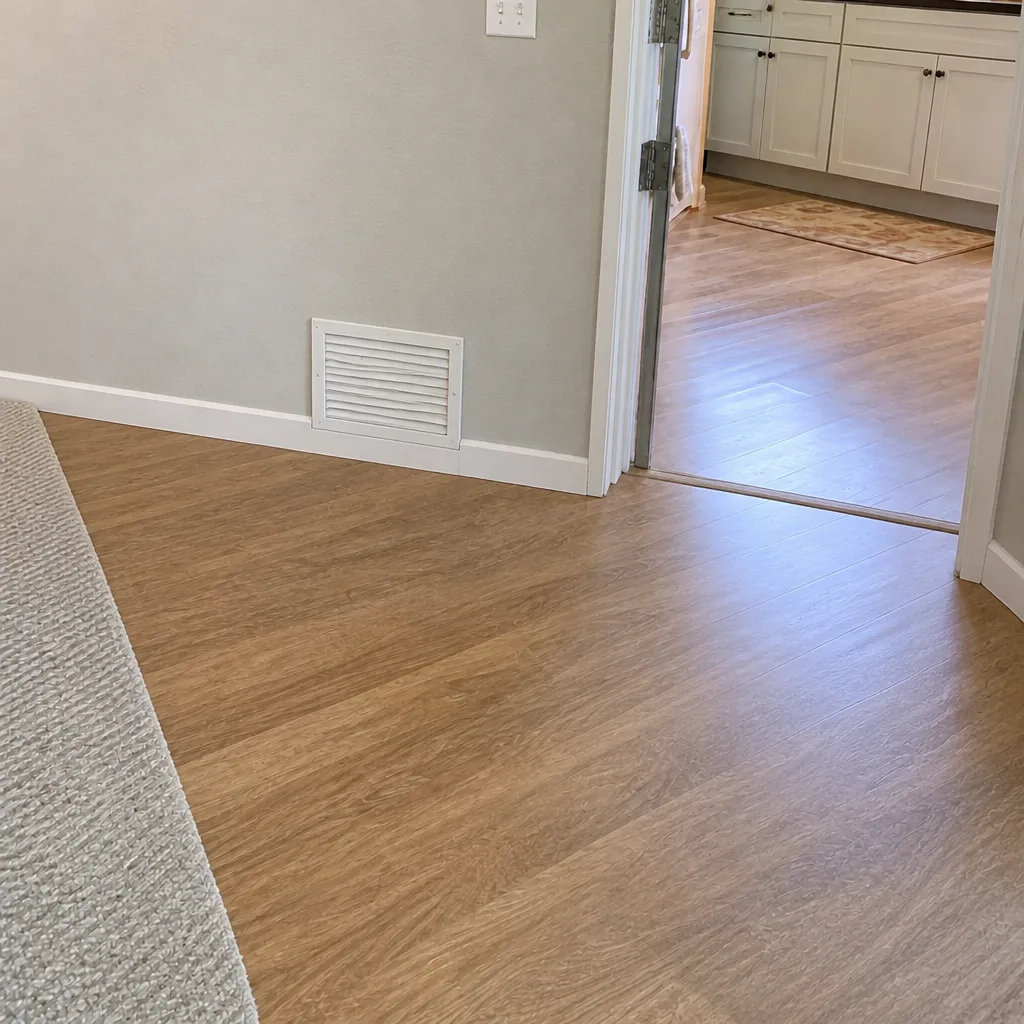 After
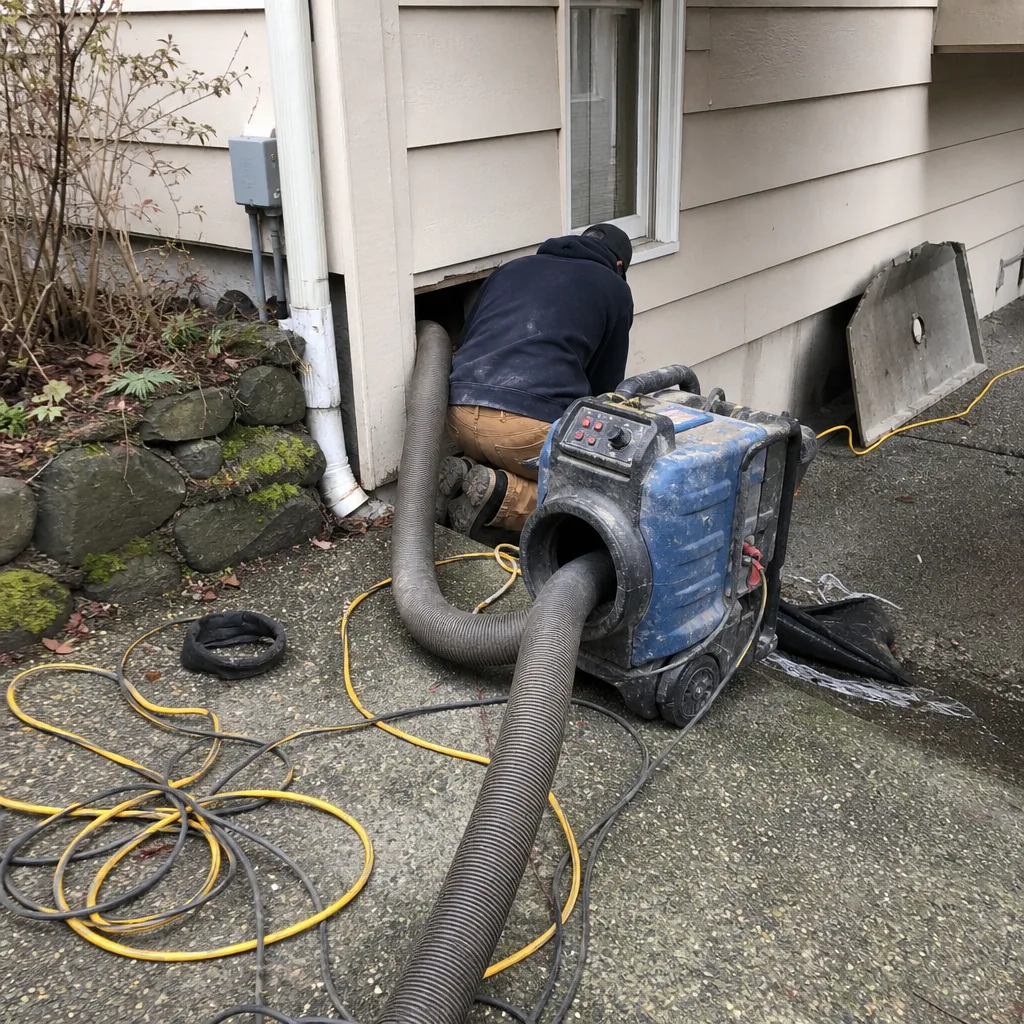 Before
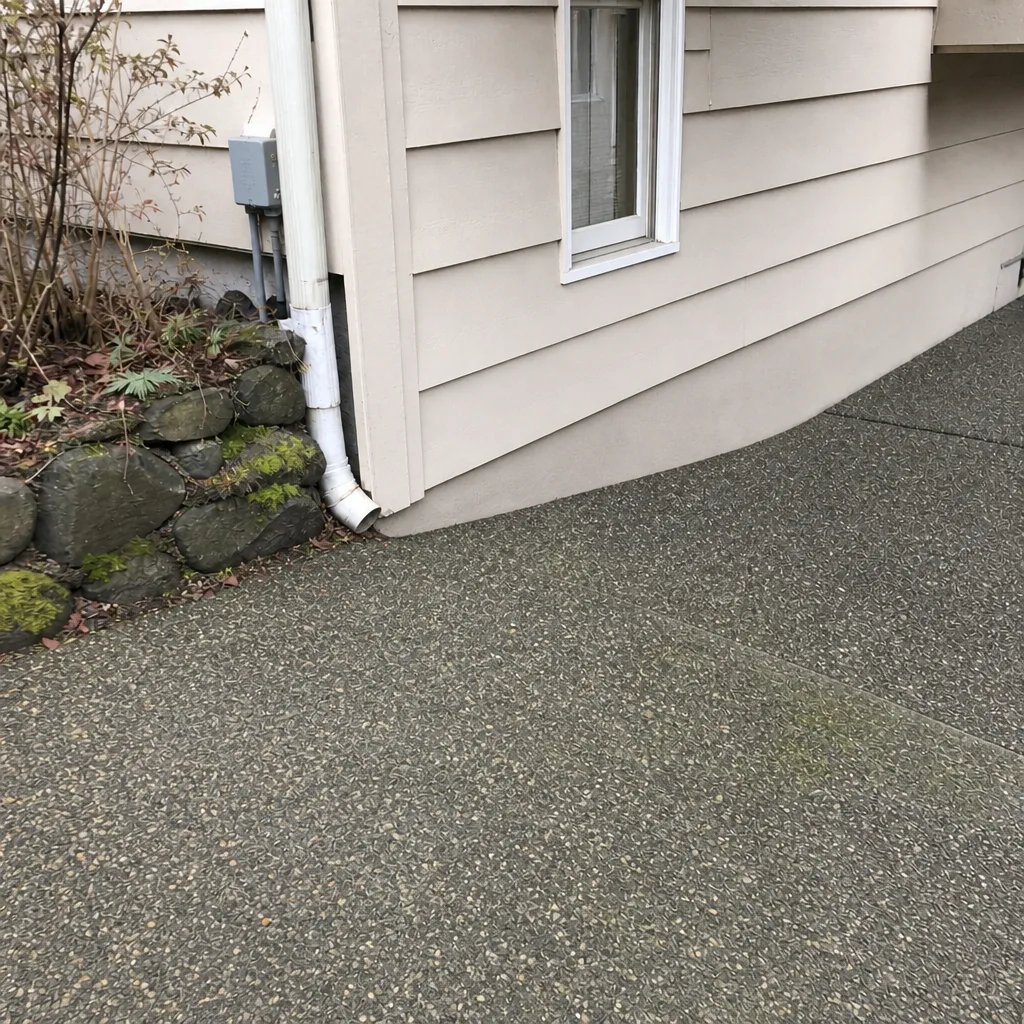 After
Frequently Asked Questions
Turn the HVAC off first if your filter is below MERV-13, and seal the house up. Running the fan with a weak filter pulls smoke particulate into the ductwork, which then deposits across the whole system. If your filter is MERV-13 or better and the system is set to recirculate only, running it can help, but only in that specific setup. Call (844) 443-4768 for an exact quote on a post-event cleaning – estimates are free.
Standard air duct cleaning in the Ballard area typically runs in the range of $300 to $700 for a whole-house system, depending on the number of runs, system size, and access difficulty. Post-event remediation – smoke, flood, sewage, or heavy construction dust – is a larger scope and typically runs higher because it involves containment, sanitizing, and often a report for insurance purposes. Call (844) 443-4768 for an exact quote – estimates are free and the written estimate sets the final price.
No. Running the system after water intrusion pulls moisture and contamination into the full duct run and spreads it. The right move is to shut the system off, dry the crawlspace or mechanical space first, and then have the ductwork mechanically cleaned and sanitized. Mold can establish in wet ductwork and insulation within 48 hours, so this is urgent. Call (844) 443-4768 for an exact quote – estimates are free.
The cheaper quote is usually a different scope, not the same work at a lower price. A low bid is typically a shop vac and a filter change with no contact cleaning, no containment, no sanitizing, and no before-and-after photos. A real post-event cleanup uses professional-grade contact tools, negative air containment, and sanitizing on the affected areas. Call (844) 443-4768 for a free estimate on the correct scope.
Ask for before-and-after photos of your own ductwork, not stock images or photos of the truck. A professional remediation report also names the sanitizer used, the scope of what was cleaned versus replaced, and shows the containment setup. If a contractor can’t produce these, the work wasn’t done the way you paid for. Call (844) 443-4768 for an exact quote – estimates are free and before-and-after photos are standard on our jobs.
Most homes don’t need routine duct cleaning every year; three to five years is a reasonable interval for a normal, well-filtered system. But that interval resets after a smoke event, flood, sewage backup, or a major renovation that ran the HVAC during demo. In those cases the trigger is the event, not the calendar. Call (844) 443-4768 for a free estimate any time an event has hit your system.
The Bottom Line
Air duct emergencies in Ballard aren’t exotic: they’re smoke events, water intrusion, sewage backups, and renovation dust, and each of them behaves the same way if you understand the core principle. Moving air spreads contamination, so shut the system off first. Moisture needs to be addressed within 48 hours, so document and then call. Insurance claims need documentation before cleanup, so photograph before you do anything. And the correct response after a flood or sewage event is remediation with sanitizing, not a standard cleaning. If you do those four things in that order, you’ll avoid the long-term indoor air quality damage that follows a slow or wrong response.
If your system has been through any of these events, get the estimate going now rather than waiting. Call (844) 443-4768 for a free estimate. We answer 24/7. Fast dispatch from 7am to 7pm, Sunday through Friday. You can also start at Air Duct Cleaning Ballard to see the full range of services – cleaning, dryer vent, HVAC, duct repair and sealing, and air sanitizing. One flat price per system, agreed before work starts, and before-and-after photos of your own ducts when we’re done. Clean air isn’t a luxury; it’s what we’re built to deliver.
Written by the team at Air Duct Cleaning Ballard.