
Last updated November 22, 2026
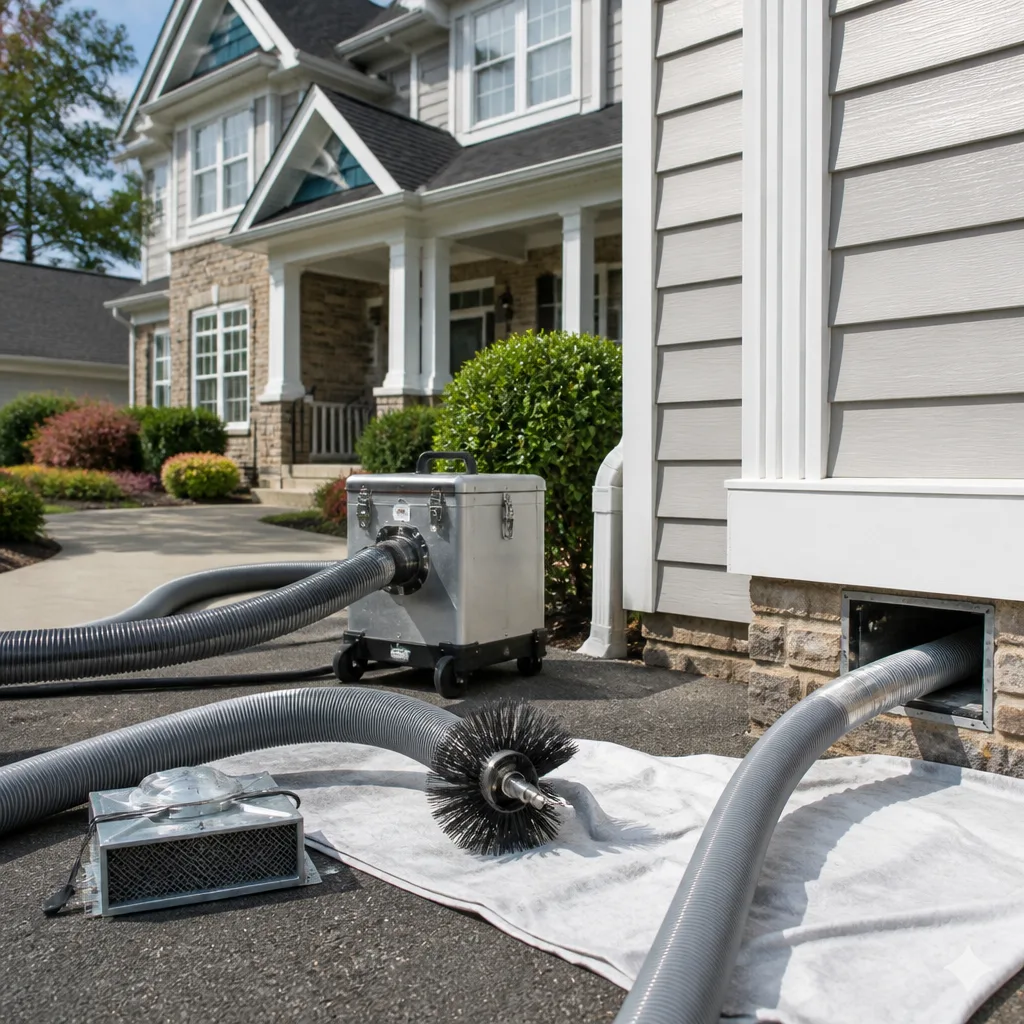 Whole-home duct cleaning
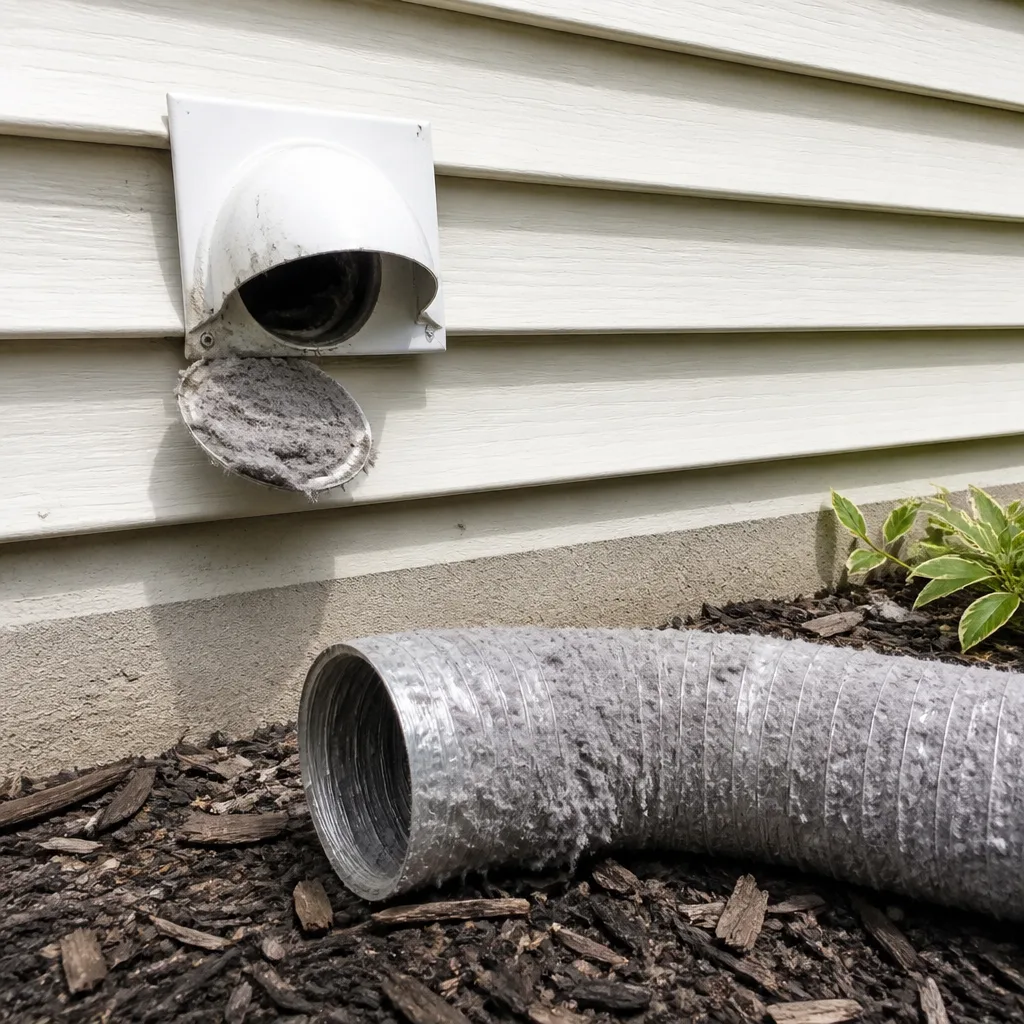 Dryer vent cleaning
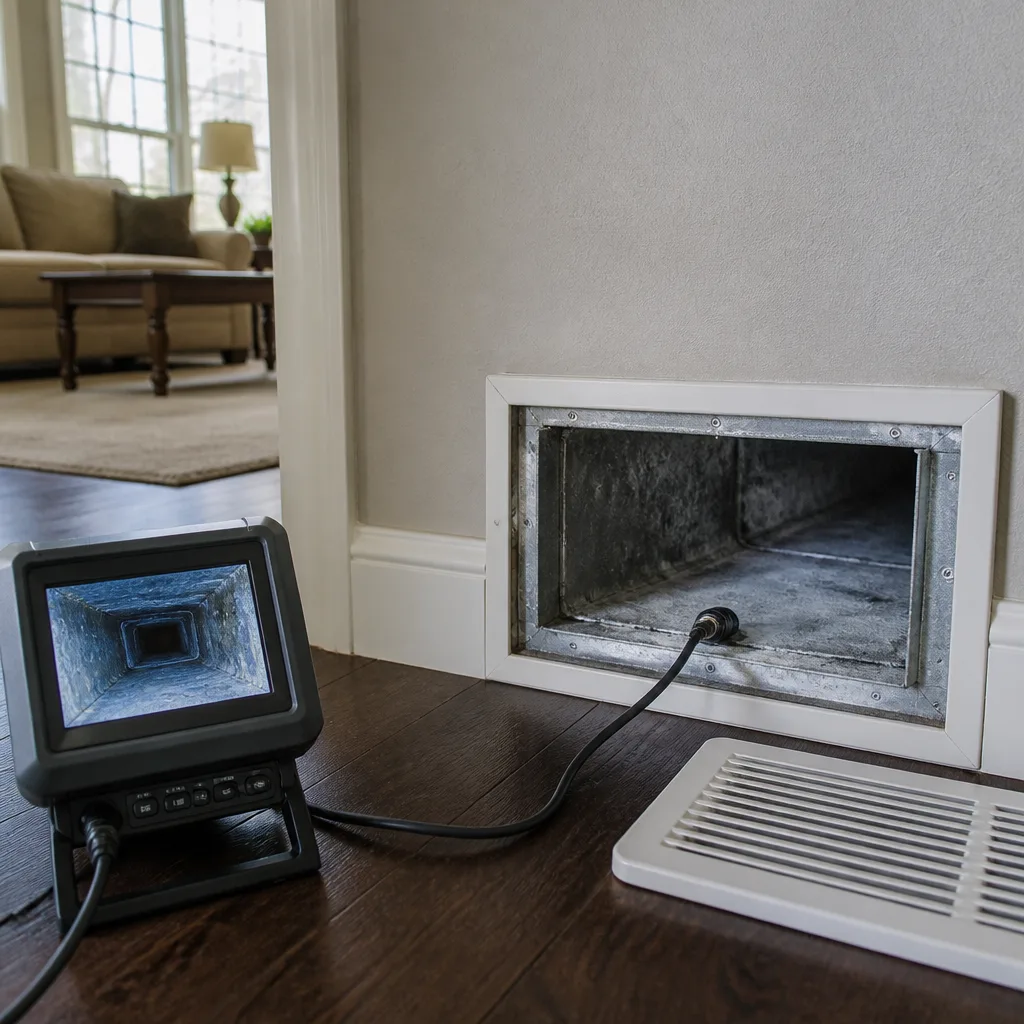 Camera inspection
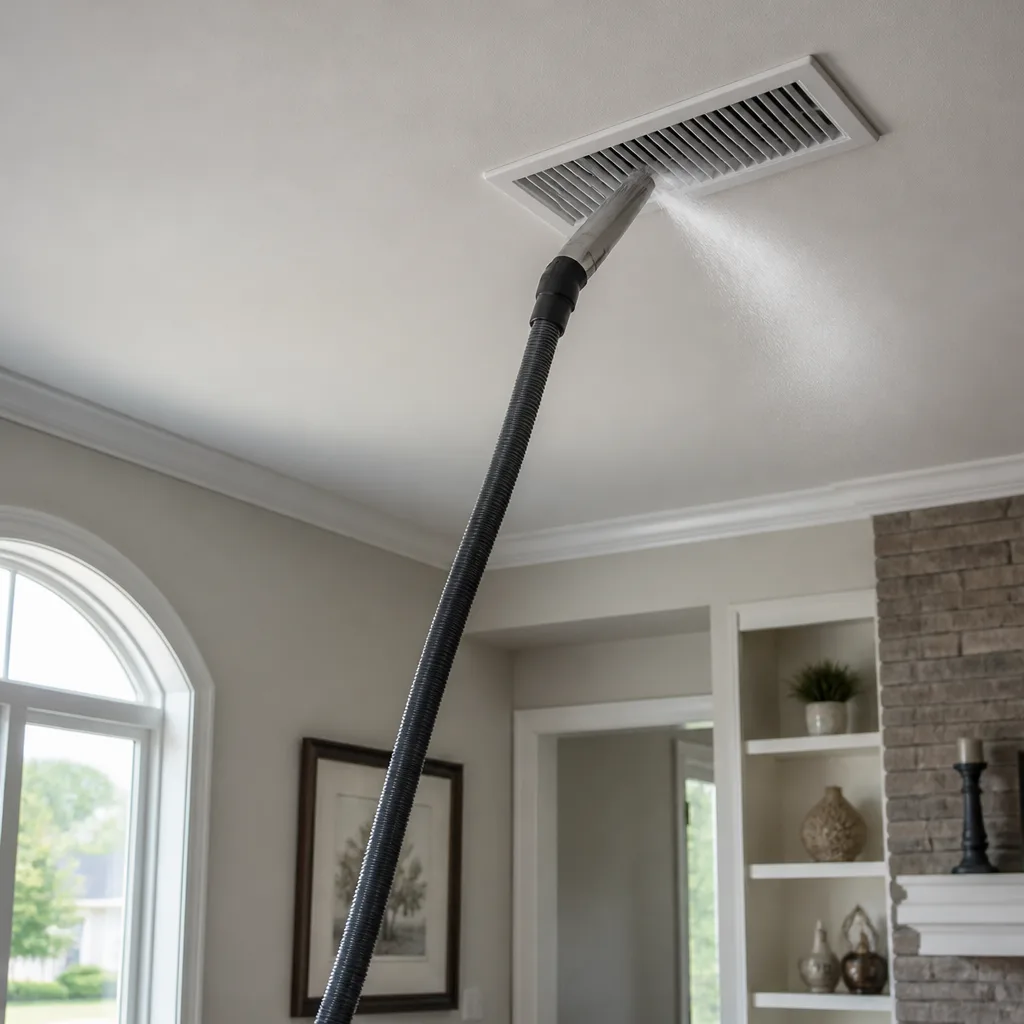 Sanitizing & deodorizing
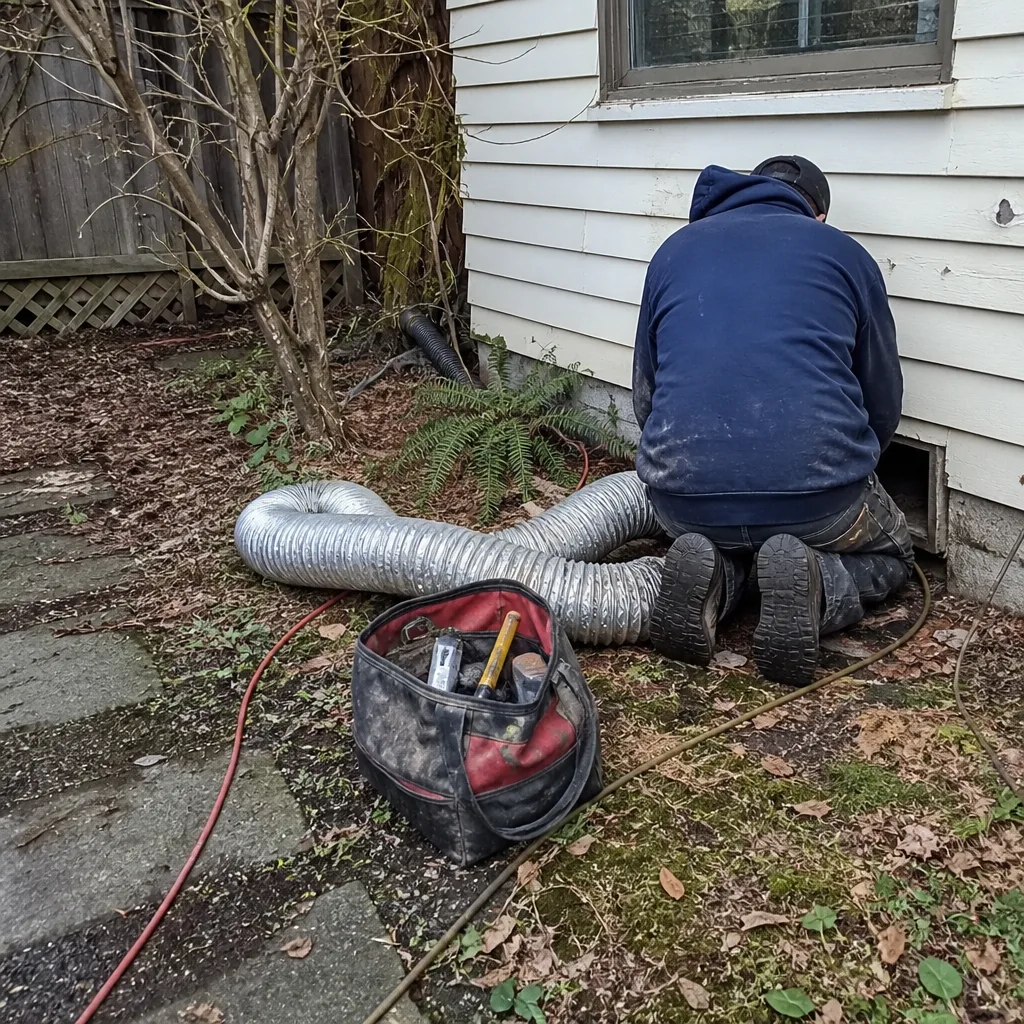
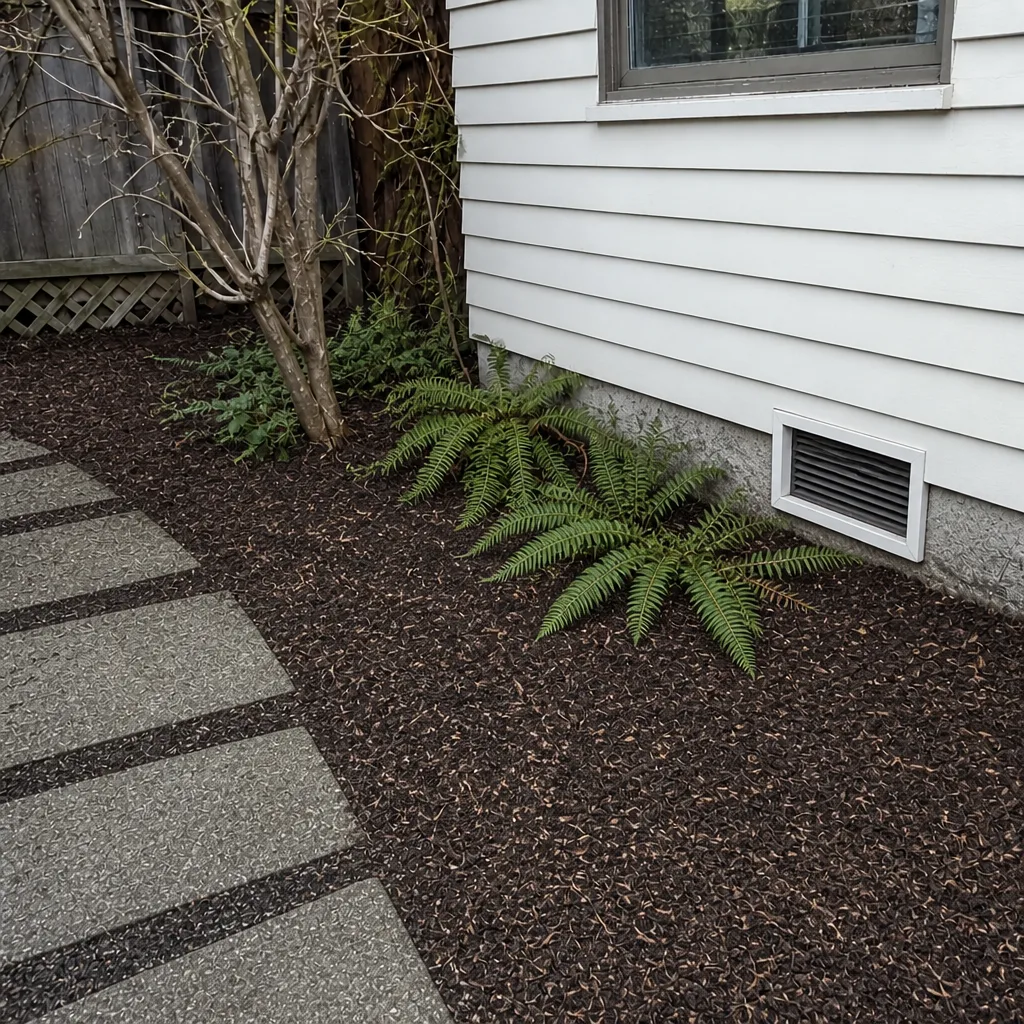
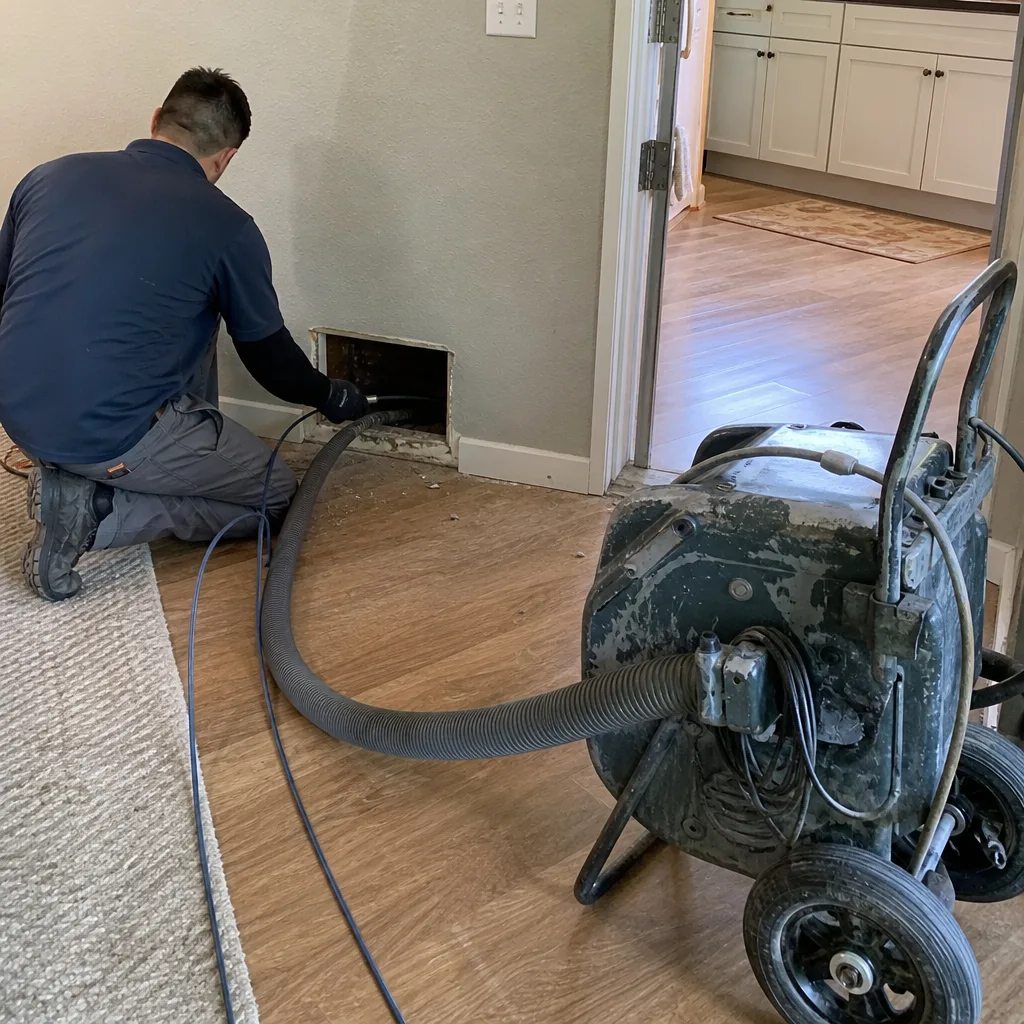
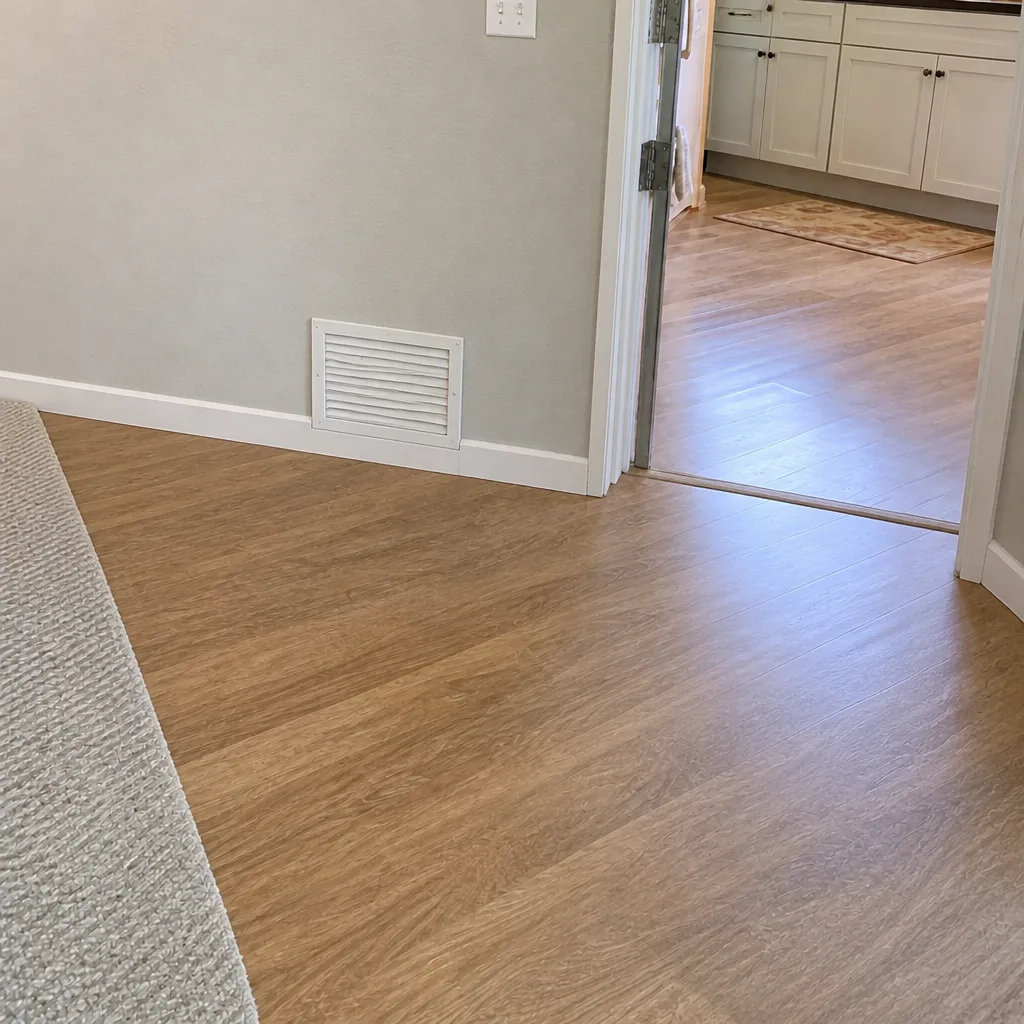
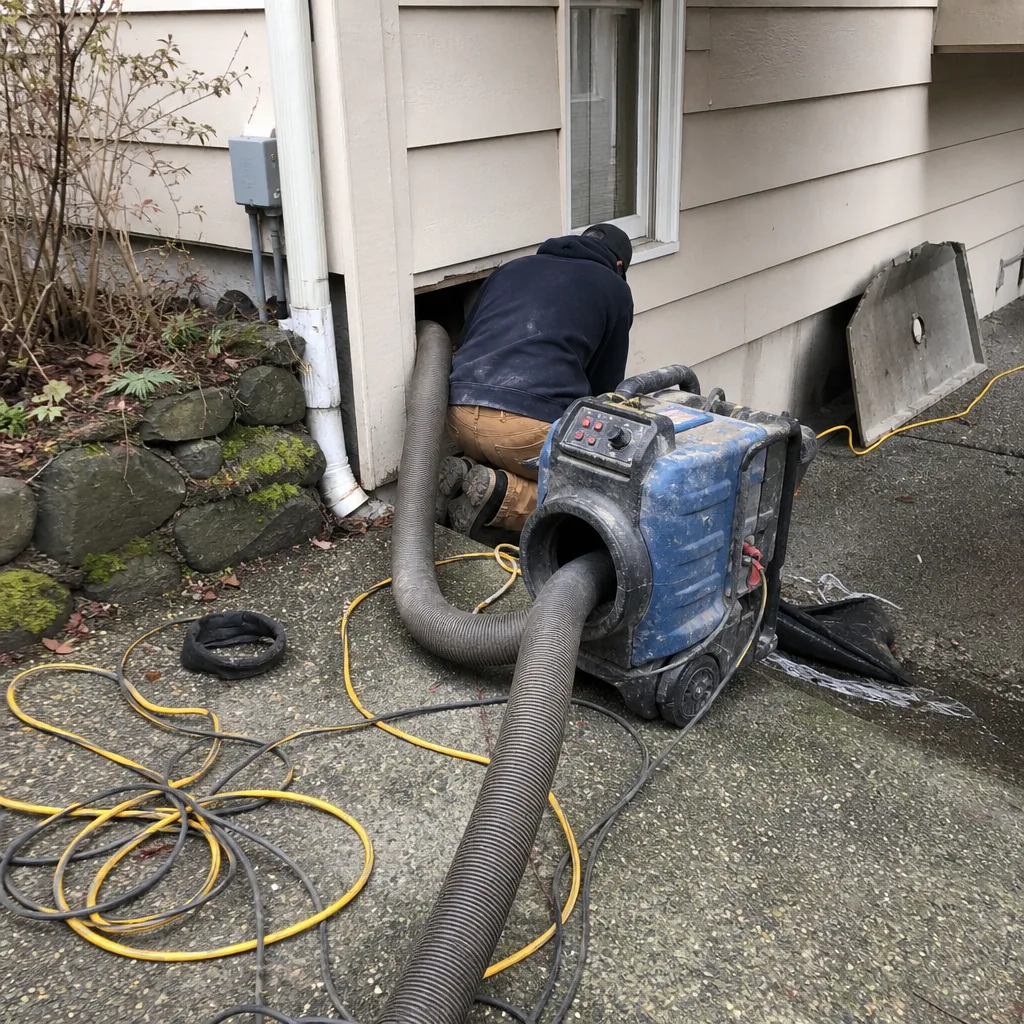
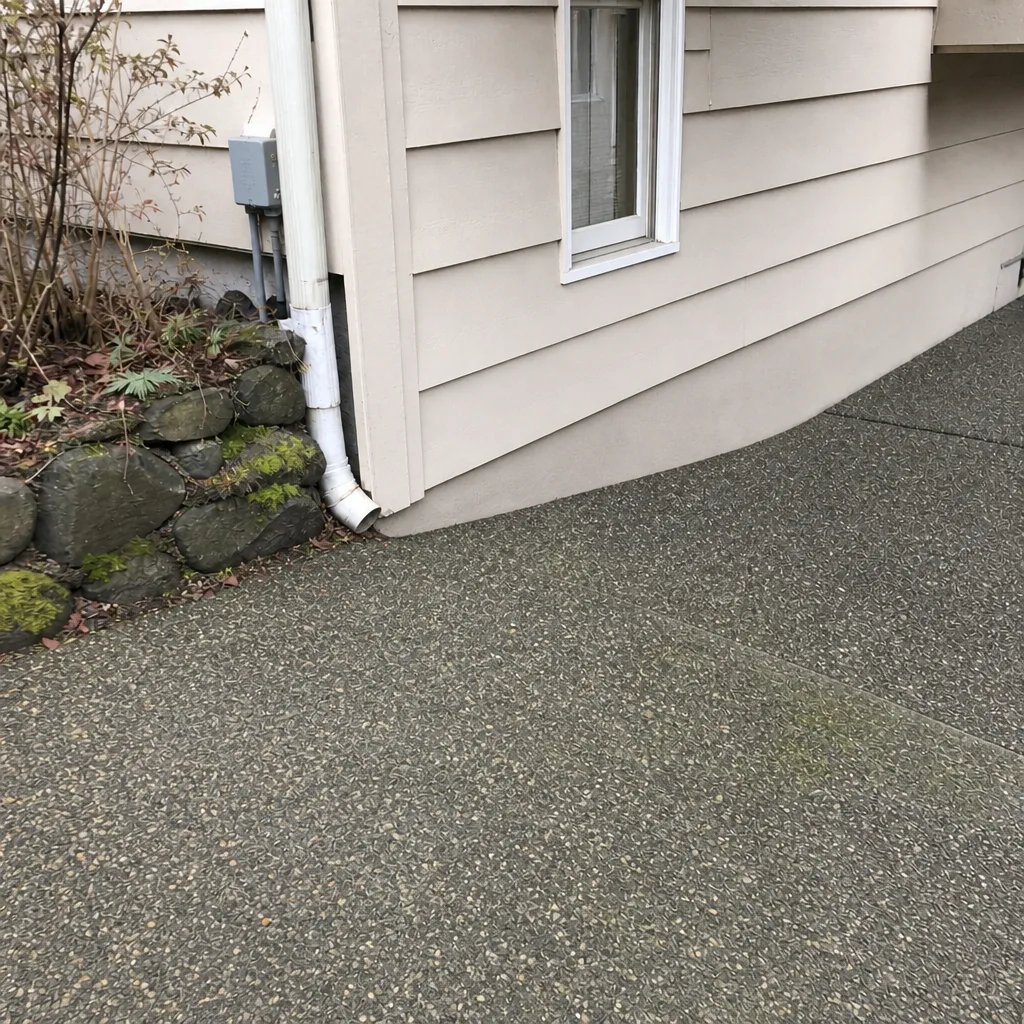
Whole-system duct and dryer vent check with before-and-after photos - you see exactly what came out of your vents
That "$99 whole-house special" is a bait ad - the real number appears once they are in your hallway, or the "clean" is a shop-vac at the register. We photograph the inside of your ducts before and after instead.
Air Duct Cleaning Troubleshooting in Ballard: Common Problems and How to Fix Them
If your ducts were cleaned six months ago and the house still smells musty or the dust comes back within a week, the cleaning didn’t fail. It probably revealed a problem the technician wasn’t equipped to fix. Most of what homeowners in Ballard try to diagnose on their own (the smell, the dust, the weak airflow, the allergy flare-ups that never quite settle down) turns out to be a symptom of one of three root causes: pressure imbalance, a breach point in the duct system, or biological growth inside the ductwork. Which one you’re dealing with determines whether cleaning solves the problem or whether you need repair and sealing first. This guide walks you through a decision tree rather than a checklist, because the order matters more than the task.
Styles & brands we work with
- Whole-home duct cleaning
- Dryer vent cleaning
- Camera inspection
- Sanitizing & deodorizing
Quick Answer
Most air duct cleaning problems in Ballard trace back to a duct integrity issue, not surface dirt. If your home still smells musty or dust returns quickly after a cleaning, the likely cause is an unsealed breach drawing attic or crawlspace air into the system, and cleaning alone won’t fix it. The right starting point is a negative-pressure test alongside a visual inspection, then one of four paths: clean only, clean and sanitize, clean and seal, or clean and repair.
Table of Contents
- Symptom Mapping: Odor vs. Dust vs. Airflow Loss
- What a Negative-Pressure Test Tells You That a Visual Inspection Can’t
- Why Mold-Like Odors After Cleaning Usually Mean a Breach, Not Incomplete Cleaning
- The Ballard Housing Conditions That Shape Which Problems Appear Most
- The Decision Tree: Clean Only, Clean and Sanitize, Clean and Seal, or Clean and Repair
- The Equipment That Separates a Real Diagnostic From a Vacuum Pass
- What You Can Safely Check Yourself and What You Shouldn’t Touch
- Common Mistakes to Avoid
- When to Call a Professional
- Frequently Asked Questions
Symptom Mapping: Odor vs. Dust vs. Airflow Loss
The fastest way to narrow down what’s wrong with your ductwork in Ballard is to separate the symptoms. Odor, dust, and airflow loss each point to different causes, and homeowners who conflate them usually end up buying the wrong service. We’ve watched this happen frequently: a family books a cleaning for recurring dust, only to discover the real issue is a gap in the return trunk pulling in air from the crawlspace. That’s why the first step is honest symptom triage.
Odor is the most diagnostic of the three. A persistent musty smell that doesn’t go away after cleaning usually signals moisture in the system, and in Ballard’s climate that moisture has a known source: the Pacific Northwest’s wet winters combined with older homes that lack a sealed vapor barrier. A sharp, dry, chemical odor more often points to backdrafting from combustion appliances or a seal that’s failed near the furnace. Neither of those is a cleaning issue.
Dust is trickier because it has two very different signatures. Fine, pale dust on horizontal surfaces that returns within days usually means an unfiltered return path or a filter that isn’t rated for the load. Dark, heavy dust concentrated around supply registers points to buildup inside the ducts themselves, which a proper cleaning can resolve. Dust that appears only in one room narrows the problem to that branch line and often to a loose takeoff at the trunk.
Airflow loss is the least ambiguous symptom and the most often misread. If a room feels weak while others feel strong, the issue is usually in the branch, not the trunk. If every room feels weak, the cause is upstream: a collapsed flex run, a crushed transition, or a blower working against higher static pressure than it was designed for. A cleaning won’t restore lost airflow when the duct itself has a structural problem, and in our experience that’s the most common reason a homeowner is disappointed in a cleaning they just paid for.
- Musty or earthy odor – moisture and likely biological growth; check for breaches before cleaning.
- Dry or chemical odor – failed seal near the furnace, possible backdraft; needs a safety inspection.
- Pale dust returning within days – filtration issue or open return path; address filtration before cleaning.
- Dark dust concentrated at supplies – genuine duct buildup; cleaning is the right move.
- Weak airflow in one room – branch line problem, usually a loose takeoff or crushed run.
- Weak airflow everywhere – system-level restriction; needs a static pressure check.
What a Negative-Pressure Test Tells You That a Visual Inspection Can’t
A negative-pressure test uses a calibrated fan and manometer to measure how much air the duct system leaks under load. Visual inspection can’t find small leaks or hidden breaches, and it can’t tell you whether the system is pulling contaminated air from an unconditioned space. The pressure test can, and that’s why we start with it before recommending any service on a Ballard home.
Here’s how it works in practice. A fan is set up at the return or main trunk to bring the system to a controlled negative pressure, typically around 25 pascals. A manometer measures the leak rate, and the technician walks the system with a smoke pencil to find the exact points where air is being pulled in. On older homes in Ballard (and the neighborhood has plenty of 1920s Craftsman stock) the results are revealing. Return plenums in crawlspaces are often unsealed, which means the return is drawing dirt, fiberglass, and whatever else is under the house straight into the furnace.
This matters because cleaning a leaking system is like mopping a floor with the tap running. You’ll pull out debris, but the system goes right back to pulling contamination in from the crawlspace. A negative-pressure test tells you whether cleaning is the whole answer or just step one.
If you want this kind of diagnostic done properly, ask for two things: the leak-rate measurement before and after any sealing work, and photos of every breach the technician finds. If a contractor can’t supply those, the test wasn’t the priority. It should be. The same expectation applies whether you’re booking air duct cleaning or a larger HVAC service, and it’s reasonable to ask any contractor you hire for the same evidence.
How to Request a Negative-Pressure Test
- Ask specifically for a “duct leakage test” or “negative-pressure test” during the estimate call, not just “an inspection.”
- Confirm the contractor carries a calibrated manometer and a blower-door or duct-blaster setup.
- Request the measured leak rate in percentage of system airflow, before and after work.
- Ask for photos of the leak points identified, with the exact location of each breach.
- Confirm the test is included in the written estimate, not added after the fact.
Why Mold-Like Odors After Cleaning Usually Mean a Breach, Not Incomplete Cleaning
If your ducts smell musty six months after a cleaning, the cleaning didn’t fail. The most common cause is an open breach drawing attic or crawlspace air into the return. Ballard’s older homes often have insulation batts loose in the attic or a crawlspace without a sealed vapor barrier, and both are reservoirs of biological growth just waiting to be pulled in.
When this happens, it’s because the duct system is under negative pressure in the return path. Every gap in the return trunk, every failed boot at a register, and every unsealed plenum joint becomes a small vacuum pulling in whatever air is behind it. Cleaning removes surface contamination in the ducts, but the breach is still there the moment the system turns back on.
This is also why air sanitizing alone doesn’t solve the problem. A sanitizer applied without first sealing the breach is applied to a surface that will be recontaminated the next time the system runs. The order of operations matters here, and it’s the same order regardless of who does the work: find the breach, seal the breach, then sanitize if it’s still warranted. Cleaning without sealing is the most common mistake we see in Ballard homes, and it’s also the one that produces the most frustration, since the customer paid for a real service and got a temporary fix.
There’s a corollary that fancier equipment circles back to: once the breach is sealed, a filtration upgrade is worth discussing. If the home already has a Honeywell or Aprilaire filter cabinet, the sealing work should be coordinated with the filter’s existing footprint so the system isn’t fighting itself. We work with both brands and can service what’s already installed rather than pushing a replacement.
Signs That Odor Is Coming From a Breach
- Smell is stronger in rooms closest to the attic or crawlspace access.
- Smell intensifies when the heat or AC is running and fades when it’s off.
- Smell returns within weeks of a cleaning, not months.
- Visual inspection shows loose insulation near a duct run.
- Register boots in older rooms are visibly separated from the drywall or floor.
The Ballard Housing Conditions That Shape Which Problems Appear Most
Ballard isn’t a generic American suburb, and the housing stock shapes which duct problems show up most. The neighborhood has a high concentration of Craftsman-era builds, many of them with original forced-air retrofits done decades after construction. Crawlspaces are common. Attic insulation is often thinner than current recommendations. And the Pacific Northwest’s wet winters mean exterior moisture has a way of finding every gap in the building envelope.
Those facts change the diagnostic priority. In Ballard, we see more biological-growth problems and fewer simple dust problems than a contractor in a dry climate would. We see more unsealed return plenums in crawlspaces. We see more boot failures at floor registers in older homes because the wood floor has moved since the original installation. And we see more winter condensation issues because the temperature differential between indoor air and the unconditioned crawlspace is larger than homeowners expect.
Newer construction in Ballard, particularly the townhome clusters built in recent decades, brings a different set of issues. Those systems are tighter, so when a breach does occur, the effect is more concentrated. Airflow is usually well-designed at install but duct runs are shorter, which means a single leak in a trunk line affects a large share of the system. The diagnostic steps are the same, but the emphasis shifts toward static pressure testing and register-level airflow measurement.
If your home is part of the older Craftsman stock in Ballard, ask any contractor you hire whether they’ve worked on retrofitted forced-air systems in similar houses. The right answer isn’t a number of years or a marketing claim. It’s a specific description of the diagnostic steps they’d take, and a willingness to show you the leak points on your own system before quoting a fix.
The Decision Tree: Clean Only, Clean and Sanitize, Clean and Seal, or Clean and Repair
Once you’ve identified the root cause, the next question is what to actually buy. There are four legitimate paths, and each has clear indicators. Picking the wrong one is the single most common reason homeowners in Ballard end up unhappy with duct work, and it’s the same reason a low bid often turns into a much larger invoice once the technician is on site.
Path 1: Clean Only
Indicators: Dark dust concentrated inside the ducts, no musty odor, airflow strong in every room, and a negative-pressure test showing leak rates within normal range. This is the classic case where cleaning is the whole answer, and it usually applies to newer construction or homes that have been cleaned recently and just need surface buildup removed. Professional contact cleaning with a Rotobrush system, followed by negative-air containment using a Nikro or Abatement Technologies machine, handles this properly. The indoor air quality after a proper cleaning is noticeably better, and the return on the service is real.
Path 2: Clean and Sanitize
Indicators: Mild musty odor that fades when the system is off, no visible breach on inspection, and a household with allergy or respiratory concerns that make biological growth an unacceptable risk. Cleaning plus a targeted sanitizing application is appropriate here, and for households with young children or a family member with asthma, it’s a reasonable precaution even when the odor is borderline. The sanitizer is applied after cleaning, never as a substitute for it, and never over a breach that hasn’t been sealed.
Path 3: Clean and Seal
Indicators: Odor returns within weeks of a cleaning, negative-pressure test shows moderate leaks, and visual inspection reveals gaps at boots, plenums, or the return trunk. This is the most common path in older Ballard homes. Cleaning comes first, then sealing with mastic or approved tape at every breach point, then a re-test to confirm the leak rate has dropped. Sealing is what stops the cycle of recontamination.
Path 4: Clean and Repair
Indicators: Airflow loss in one or more rooms, visible damage to a duct run (crushed flex, disconnected trunk, collapsed transition), or a breach too large to seal without a structural repair. This is the path that a single-service vacuum crew can’t complete, and it’s the reason duct repair and sealing needs to be part of the same visit as the cleaning. Splitting the two into separate contractors is how a lot of Ballard homeowners end up with a cleaning that doesn’t hold.
The Equipment That Separates a Real Diagnostic From a Vacuum Pass
Any contractor can show up with a shop vac. The difference between that and a real diagnostic is equipment, and it’s worth knowing what to look for so you can tell the two apart on the estimate call. The tools below are the same ones commercial HVAC contractors use, and they’re what we bring to every Ballard job.
- Rotobrush contact-cleaning system – agitates and removes surface contamination from duct walls rather than just pulling loose debris.
- Nikro negative-air machines – keep the work zone under negative pressure so contamination doesn’t migrate into living space during service.
- Abatement Technologies air filtration units – commercial-standard containment equipment; the same category specified on commercial jobs.
- Calibrated manometer and blower – for negative-pressure and static-pressure testing, which is the diagnostic step that visual inspection can’t replace.
- Inspection camera – for verifying results inside the ductwork after cleaning, and for confirming repair before the job closes.
If a quote doesn’t mention containment equipment or a post-cleaning verification step, the work is being sold as a vacuum pass. That’s not a judgment on the price. It’s a judgment on what’s actually going to happen in your Ballard home, and whether the result will hold past the next heating season. The full approach to HVAC cleaning covers this same standard, applied to the air handler and coils alongside the ducts.
What You Can Safely Check Yourself and What You Shouldn’t Touch
There’s real value in a homeowner doing the first layer of checks. There’s also real danger in going further than that, and we’d rather say so plainly than pretend the whole job can be a weekend project.
Safe to Check
- Register airflow – hold a tissue to each supply and note which rooms are weak.
- Filter condition – pull the filter and check it against the change schedule.
- Visible boots and plenums – look for gaps where the duct meets the floor or wall.
- Odor pattern – note whether smell follows the system cycle.
- Crawlspace condition – a visual check for standing water or missing vapor barrier.
Do Not Attempt
Anything involving the furnace, the electrical panel, gas piping, or the interior of the air handler needs a trained technician. Gas connections and electrical work carry real risk of fire, carbon monoxide, or shock, and there’s no diagnostic shortcut worth taking that risk. If you suspect a combustion issue (a dry, sharp smell near the furnace, or a backdraft at the flue), shut the system off and call for service. Same goes for any work inside the blower compartment or on the flue itself.
The other thing we’d caution against is trying to seal ductwork yourself with consumer-grade tape. Hardware-store “duct tape” fails within a season in most homes because the adhesive breaks down under heat cycling, and on older Ballard systems the tape often covers a breach that needed a mastic-and-mesh repair. It looks fixed and isn’t. If you want the system properly sealed, that’s a professional job with the right materials and a re-test to confirm the result.
Common Mistakes to Avoid
- Cleaning before diagnosing. If you haven’t identified the root cause, you’re paying for a service that might solve the wrong problem. Run the symptom map and the negative-pressure test first.
- Buying sanitizing as a standalone service. A sanitizer applied to a system with an unsealed breach is reapplied contamination within weeks. Seal first, sanitize second, and only if the odor pattern calls for it.
- Accepting a per-vent price. A low per-vent quote is where a lot of the industry’s bait-and-switch begins. A whole-system quote is the only honest way to price duct work, and any contractor who won’t give one isn’t going to give you a straight answer once the technician is on site.
- Trusting “duct tape” as a permanent fix. In Ballard’s heated-and-cooled crawlspace environment, consumer tape fails within a season. Mastic and mesh hold.
- Ignoring a single weak room. One weak supply is often a loose boot or a crushed flex run behind the drywall. Left alone, it becomes a bigger breach over time.
- Rebooking the same cleaning every year. If your ducts need cleaning annually, the problem isn’t dirt build-up. It’s a breach or a filtration gap, and cleaning the symptom annually is expensive and unnecessary.
- Skipping the re-test after sealing. Without a before-and-after leak measurement, nobody knows whether the sealing worked. Ask for the numbers.
When to Call a Professional
Some situations are clear calls for a professional, and it’s worth naming them plainly. If your ducts smell musty within weeks of a cleaning, that’s a breach, not a cleaning failure. If a room has lost airflow and it wasn’t a filter issue, that’s a duct problem. If you’ve noticed pale dust returning within days of a filter change, or dark dust concentrated at the supply registers in a single room, those are both diagnostic states that need a negative-pressure test rather than another vacuum pass. If there’s visible separation at a register boot, or a crawlspace that stays damp through the wet season, both are reasons to book an inspection before you spend money on cleaning.
Air Duct Cleaning Ballard offers free estimates in Ballard, and every estimate comes with a written price per system, not a per-vent figure. Call (844) 443-4768 to book. We answer 24/7. Fast dispatch from 7am to 7pm, Sunday through Friday, and we’re closed on Saturday. Our technicians have up to 13 years of experience running these diagnostics on Ballard homes.
Frequently Asked Questions
Air duct cleaning in Ballard typically runs within a range that depends on system size, accessibility, and whether repair or sealing work is needed alongside it. The written estimate sets the final price, and it’s priced per system rather than per vent, so there’s no surprise jump once the technician is on site. If a quote is much lower than the rest, ask what’s excluded. Call (844) 443-4768 for an exact quote – estimates are free.
Cheap quotes are cheap because they’re either per-vent teasers that expand once the technician arrives, or they skip containment equipment, post-cleaning verification, and the diagnostic step that tells you whether cleaning is even the right service. The customer who pays for the cheap version usually pays a second time for a real fix, sometimes within the same season. A written per-system estimate from a contractor using Rotobrush, Nikro, and Abatement Technologies equipment is the honest comparison. Call (844) 443-4768 for an exact quote – estimates are free.
You should get before-and-after photos of your own ducts, not stock images, and you should get a post-cleaning inspection camera pass showing the interior of the main trunk and at least one branch. Ask for those before you pay, and don’t accept a verbal assurance that it’s “all clean inside.” Call (844) 443-4768 for an exact quote – estimates are free.
Most Ballard homes with a well-sealed system and a properly rated filter need it every few years, not annually. If a contractor tells you it needs doing every year, ask what changed in the system to justify the frequency. In most cases the answer is nothing, and the actual issue is a filtration gap or a breach that’s letting contamination in. Call (844) 443-4768 for an exact quote – estimates are free.
Musty odor right after cleaning is almost always a breach that wasn’t addressed, not leftover moisture from the cleaning itself. Older Ballard homes with unsealed return plenums in the crawlspace pull outside air directly into the system the moment it starts running. The fix isn’t more cleaning. It’s sealing the breach, then re-testing to confirm. Call (844) 443-4768 for an exact quote – estimates are free.
Yes, dryer vent work is part of the same service visit, and it’s worth doing alongside the duct cleaning because the two share the same house-air-quality concern. A restricted dryer vent is also a fire-safety issue, which is one reason we treat it as a core service rather than an add-on. If your dryer takes more than one cycle to dry a load, that’s the signal to book it. Learn more about dryer vent cleaning before your appointment.
Sealing, Repair, and the Full-System Approach
Once the diagnostic is done, the sealing work itself determines whether the cleaning holds. There’s a right order to it, and it doesn’t change based on the size of the home or the neighborhood it sits in.
- Set up containment with a Nikro or Abatement Technologies negative-air unit before any work starts.
- Clean the system first, so sealing materials bond to clean surfaces rather than dirty ones.
- Seal every identified breach with mastic and mesh, or with approved foil tape where the surface calls for it.
- Repair structural damage (crushed runs, disconnected trunks, failed transitions) before sealing around it.
- Re-test with the manometer to confirm the leak rate has dropped, and document the before-and-after readings.
- Sanitize the system only after sealing is confirmed, and only if the odor pattern or household needs call for it.
This is what we mean by “we fix what we find.” Cleaning without the ability to repair and seal is a partial service, and it’s the reason a lot of Ballard homeowners end up rebooting the same call every season. The full-system approach pairs the cleaning with the repair, the seal, and where warranted the sanitizing, using the same equipment commercial contractors specify. For the broader picture on how the work fits together, the air duct cleaning Ballard overview is the right starting point, and it’s the page to save if you want to come back to any of this later.
The Bottom Line
Most duct problems in Ballard fall into three root causes: pressure imbalance, breach points, and biological growth. The symptoms (odor, dust, airflow loss) point to different ones, and the right fix depends on which you’re actually dealing with. Cleaning alone handles genuine buildup. Cleaning plus sanitizing handles mild biological concerns in a system without breaches. Cleaning plus sealing handles the recontamination cycle. Cleaning plus repair handles structural failure. The diagnostic step that separates these is a negative-pressure test, and any contractor who can’t run one is guessing. If it’s time to get a real answer for your Ballard home, call (844) 443-4768 – we answer 24/7 and dispatch from 7am to 7pm, Sunday through Friday. The estimate is free, and the price is set per system by the written estimate.
Written by the team at Air Duct Cleaning Ballard.
See the difference
 Before
 After
 Before
 After
 Before
 After