
Last updated November 22, 2026
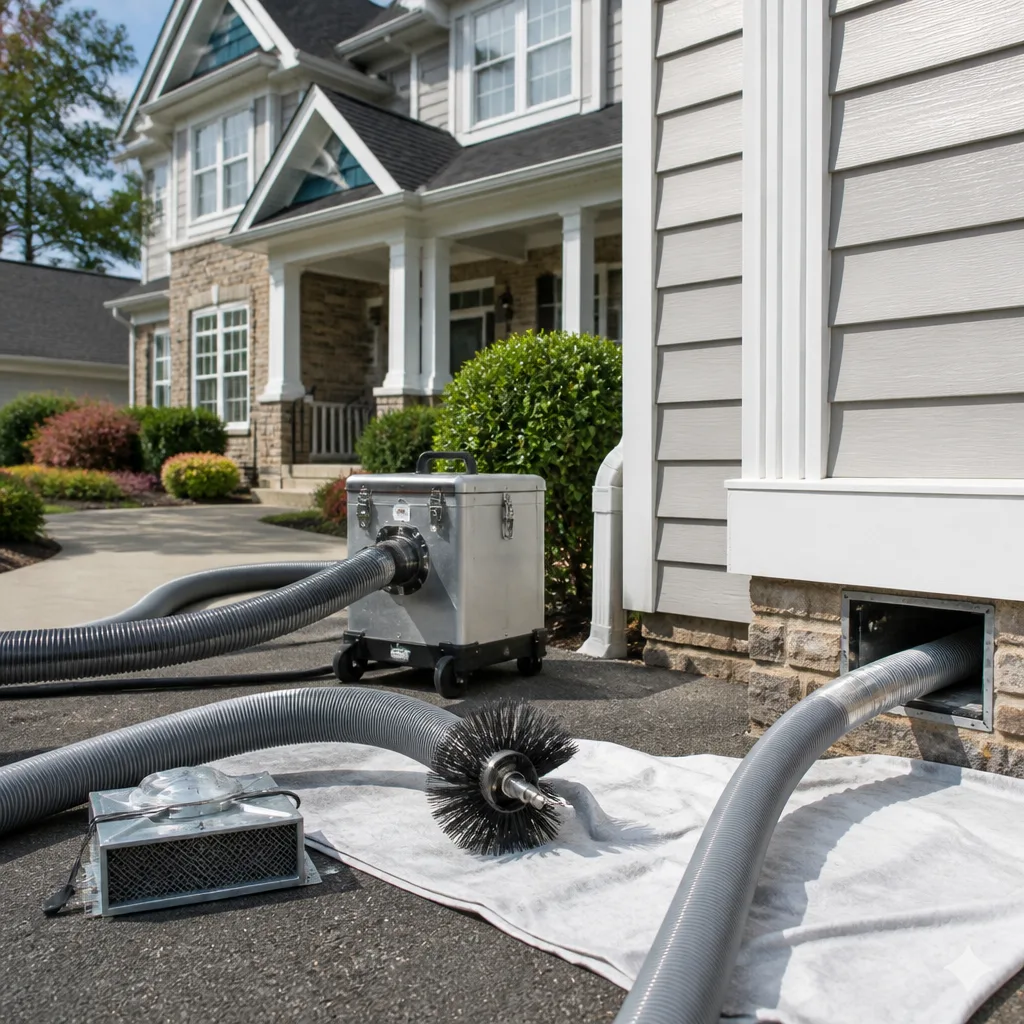 Whole-home duct cleaning
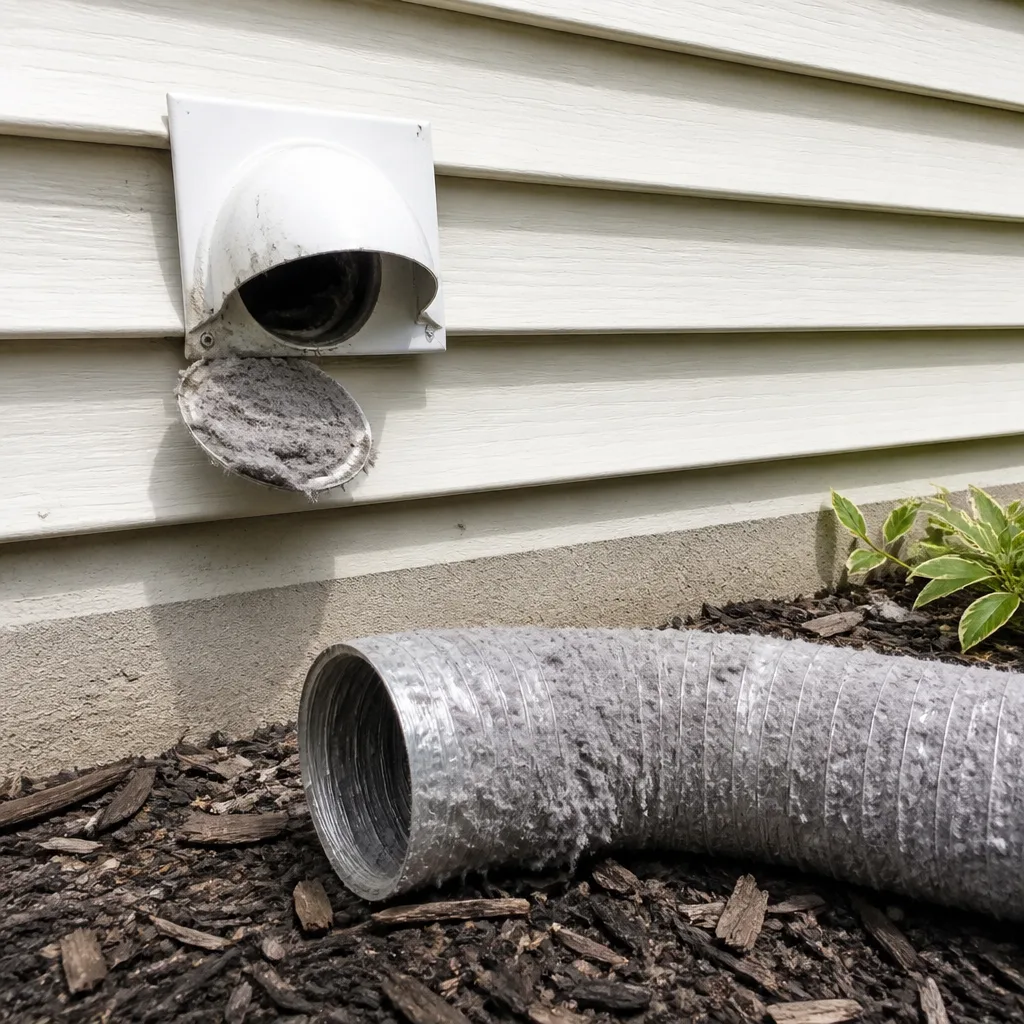 Dryer vent cleaning
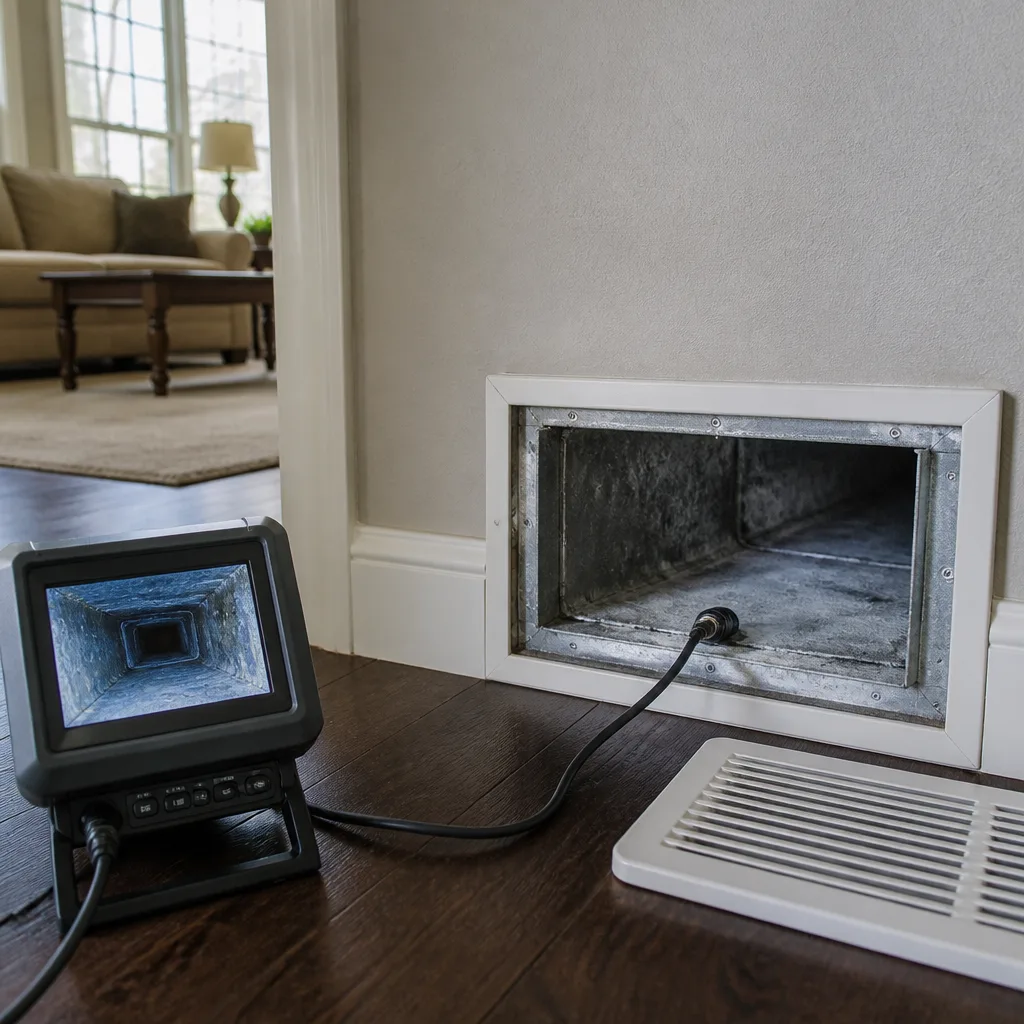 Camera inspection
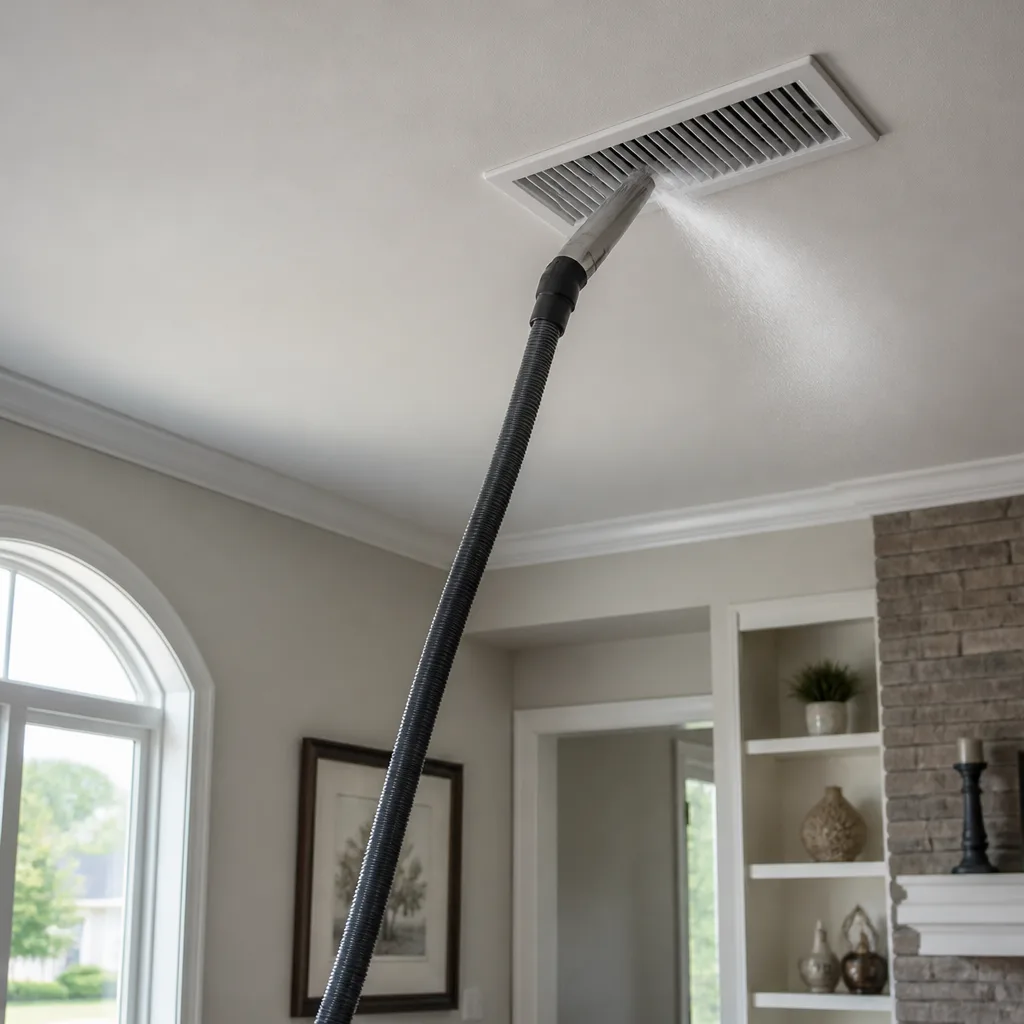 Sanitizing & deodorizing
Whole-system duct and dryer vent check with before-and-after photos - you see exactly what came out of your vents
That "$99 whole-house special" is a bait ad - the real number appears once they are in your hallway, or the "clean" is a shop-vac at the register. We photograph the inside of your ducts before and after instead.
Air Duct Cleaning Warning Signs: A Ballard Homeowner’s Reference Guide
Most duct problems tell you they’re coming. The trouble is that the early messages sound exactly like normal house behavior – a faint smell at startup, one bedroom that never quite warms up, a soft rattle when the furnace kicks in. It’s easy to file all of that under “old house” and move on. But a musty smell that only shows up when the heat runs isn’t a vague air quality complaint. It’s a specific symptom with a specific cause inside your duct system, and it’s pointing at something you can actually diagnose. This guide treats each warning sign as data. We’ll walk through the symptoms Ballard homeowners report most often, explain what’s happening inside the ductwork when each one appears, and help you tell the difference between a filter you can change and a problem that needs a professional on site.
Quick Answer
The main warning signs of a duct problem in Ballard are a musty odor that appears when the system starts, visible dust rings around supply registers, uneven room temperatures in older homes, increased allergy symptoms in spring, and rattling or whistling noises in the ductwork. Any one of these is worth investigating; two or more together usually means the system is due for a professional inspection and cleaning. Most of these problems get worse slowly and quietly, which is why they’re so easy to dismiss until the air in the house feels obviously wrong.
Styles & brands we work with
- Whole-home duct cleaning
- Dryer vent cleaning
- Camera inspection
- Sanitizing & deodorizing
Table of Contents
- Musty Odor vs. Burning Odor: Two Very Different Signals
- Why Some Ballard Rooms Never Warm Up
- Dust Rings Around Registers: Filter Problem or Duct Problem?
- Spring Allergies: Filter Issue or Growth Inside the Ducts?
- The Three Kinds of Duct Noise and What Each One Means
- What You Can Safely Check Yourself
- When Cleaning Is the Answer (and When It Isn’t)
- What Professional Duct Service Involves
Musty Odor vs. Burning Odor: Two Very Different Signals
The smell test is the single most useful diagnostic tool a homeowner has, and it’s also the one most often misread. A musty, damp-earth smell that appears when the blower starts is almost always coming from inside the ductwork itself. A burning or hot-dust smell is a different animal – that one points at the equipment, not the ducts, and it needs attention right away.
Here’s how to tell them apart in practice:
- Musty, damp, earthy, or “basement” smell at startup. This indicates moisture and biological growth somewhere in the duct run – often the return side, or a section of flex duct in a crawlspace or unconditioned attic where condensation collects. The smell arrives when airflow pushes air across the growth.
- Sharp, hot, or dusty burning smell at startup. This usually means dust has settled on the heat exchanger or the burners during the off season and is cooking off when the system fires. A one-time smell in the first few minutes of the season is common. A burning smell that persists, or that comes with a visible haze, is a reason to shut the system down and call an HVAC technician.
- Smell that’s worse in one room. That narrows the source to the branch serving that room rather than the whole trunk line.
- Smell that only appears when the heat runs and not on cool. Heat raises the temperature of the duct surface and volatilizes whatever’s growing or settled there. Cooling doesn’t do that as strongly, which is why the symptom shows up in the heating season.
A musty smell in Ballard is common in homes with duct runs through a crawlspace or a vented attic, where the daily swing between damp and dry air works moisture into the system. When the source is biological growth rather than just settled dust, cleaning alone may not be enough – sanitizing the duct surfaces after the cleaning is what resolves the smell for good. That’s why the full-service approach matters: cleaning without addressing the growth just spreads it around. For a general explanation of what that process covers, see our air duct cleaning page.
Why Some Ballard Rooms Never Warm Up
When one room in the house is consistently colder than the rest, most homeowners assume the furnace is undersized or the thermostat is placed badly. In Ballard’s older craftsman and bungalow floor plans, that assumption is often wrong. The more likely explanation is duct leakage or undersized branch runs – the heated air never makes it to the room in the first place.
Older homes here were often built with duct systems that have been added to, patched, or rerouted over the years as additions, renovations, and heat pumps came and went. Each of those changes leaves behind a seam that wasn’t sealed properly, a run that got longer than the blower can comfortably push air through, or a joint that’s come loose. Air takes the path of least resistance, so it leaks into the crawlspace or the attic instead of reaching the back bedroom.
Here’s a practical way to diagnose the difference between a capacity problem and a delivery problem:
- Check the register closest to the furnace first. If it blows strong and warm while the cold room’s register barely moves air, the problem is in the duct run, not the heating equipment.
- Feel for air at the seams. With the system running, run your hand along the accessible duct joints in the basement or crawlspace. A leak feels like a steady breeze.
- Compare the temperature at the register to the temperature at the room’s center. A big gap usually means the air is losing heat traveling through a leaking or uninsulated run.
- Check the return path in the problem room. A bedroom with no return, or with a door that closes tight, will be starved of airflow no matter how well the rest of the system works. A gap under the door is often the simplest fix.
Duct repair and sealing is what resolves this kind of problem, and it’s part of the work we handle on the same visit as a cleaning. Sealing the leaks isn’t cosmetic – it’s the difference between heating the room and heating the crawlspace. Homeowners in Sunset Hill and Loyal Heights whose homes were built in the same era face the same pattern. If you’re hearing this described for the first time, our HVAC cleaning page goes deeper into how the whole system is assessed together, because the ductwork and the equipment really do need to be looked at as one machine.
Dust Rings Around Registers: Filter Problem or Duct Problem?
A dark ring of dust around the edge of a supply register is one of the most reliable early warning signs there is, but it’s also the most frequently misdiagnosed. Some dust rings are a filter problem. Others are a duct cleaning problem. The difference matters because they call for different fixes.
The ring itself is caused by air escaping around the edges of the register grille rather than passing cleanly through it. That escaping air carries dust particles that stick to the surrounding wall or ceiling and build up over time. So the ring is really a visible record of leakage at the register itself.
How fast does it accumulate? In a typical Ballard home, if you’re seeing a visible ring appear across a heating season, the leakage at that register is meaningful. If the ring was there when you moved in and seems stable, it may just be long-term accumulation that predates the current filter setup.
Here’s the distinction to work through:
- Rings on every register, all at once. Usually a filter problem – a filter that’s clogged, the wrong MERV rating for the blower, or not seated correctly in the filter slot. Dust bypasses the filter and coats everything downstream.
- Rings on some registers and not others. Usually a duct-specific issue – a leaking joint nearby, a poorly sealed register boot, or a branch that’s pulling in unfiltered air from a crawlspace or attic.
- Rings that appear on the return grille. A heavily dust-laden return grille is often the most honest signal that the whole system is overdue for cleaning, since the return is where dust enters from the living space.
- Rings that return within a month of cleaning the grilles. The dust is coming from inside the ductwork, not from the room. That’s a cleaning problem, not a filter problem.
We see this pattern constantly in Ballard, especially in homes that have a standard 1-inch filter slot that’s been asked to perform like a media cabinet. A higher-MERV filter in a slot that’s too narrow for it will starve the blower and force dust around it. That’s exactly the kind of thing a professional inspection sorts out before any cleaning begins, so the fix sticks. Honeywell and Aprilaire media cabinets are common in homes here, and they’re sized differently. If the filter housing is the weak link, installing a properly matched cabinet is often the better long-term answer than a filter you have to change every 30 days.
Spring Allergies: Filter Issue or Growth Inside the Ducts?
Every spring, the same question comes in: is this allergy season, or is something growing in my ducts? The two can feel identical to a person who’s sneezing and congested, but the patterns differ if you look closely.
Pollen season in Ballard typically runs from late winter through late spring, with the worst of it during the first warm dry stretch after the rainy season. A filter-related problem will usually show up as:
- Symptoms that peak when the system is running and fade when it’s off.
- Relief in a room with a freestanding air purifier or with windows kept closed.
- Symptoms that follow outdoor pollen counts and ease once the season ends.
A biological growth problem inside the ductwork, on the other hand, tends to follow a different pattern:
- Symptoms that persist past the pollen season and don’t track with outdoor counts.
- A musty smell at startup that accompanies the symptoms.
- Multiple people in the household affected, including those who don’t normally have seasonal allergies.
- Worse symptoms in specific rooms – often the ones furthest from the equipment or nearest a crawlspace vent.
The give-away is the combination of smell and seasonal persistence. If the smell is there and the symptoms don’t fade when the pollen does, the source is inside the house. Children, older family members, and anyone with existing respiratory sensitivity tend to notice it first.
Sanitizing the duct surfaces after a cleaning is what addresses biological growth at the source. We use professional-grade equipment for this – including Abatement Technologies filtration equipment for containment during the work, so dust and spores aren’t spread through the house while we’re cleaning. That containment step is standard practice on commercial jobs and it’s the reason the work is done the way it is. When a household has had a recent renovation, the same approach is what removes construction dust and debris before it settles permanently into the duct run.
The Three Kinds of Duct Noise and What Each One Means
Duct noises fall into three categories, and they’re easy to confuse. One is normal. One means the system is working harder than it should. One means something has come loose and needs to be fixed.
Thermal expansion and contraction is the normal one. Metal ductwork expands when it heats up and contracts when it cools, and that produces a soft ticking or tapping sound that comes and goes as the system cycles. If the sound is dull, brief, and follows the furnace on and off, it’s the metal doing what metal does. It’s not a sign of a problem worth calling anyone about.
Airflow turbulence from debris buildup is the second category. This is a whooshing, rushing, or whistling sound that has become noticeably louder than it used to be. It usually means one of two things: the blower is pushing through a partially blocked duct (often the return), or a damper or register has been partly closed somewhere and forced air through a narrow gap. A filter that’s overdue can also cause it, so check that first. If a new filter doesn’t solve the noise, the obstruction is likely in the duct run itself.
Loose joints and structural issues are the third. These produce a rattling, banging, or flapping sound, and they typically show up in one specific part of the house. Duct sections that have pulled apart at a joint, flex duct that’s sagged against a joist, or a register boot that’s lost its fasteners will all produce a rattle that’s rhythmic and locatable. This category is where duct repair matters, because an unsealed joint is not just loud – it’s the source of more contamination and energy loss than any other single problem in the system.
Here’s a quick diagnostic sequence:
- Replace the filter and note whether the noise changes. If it settles, the noise was a filter restriction.
- Walk the house while the system runs and pinpoint the room where the noise is loudest.
- Look at the accessible ducts in the basement or crawlspace under that room for sagging sections or separated joints.
- If the noise is a rattle inside a wall or a ceiling, that’s a professional call – the cause is in the duct run where you can’t safely reach it.
Rattling that’s been there for months without getting worse is often a loose joint that isn’t urgent. Rattling that started suddenly and comes with reduced airflow needs a closer look, because it may be a duct that’s come apart from its support.
What You Can Safely Check Yourself
Some checks are easy and safe for any homeowner. Others are not, and it’s worth being clear about the difference before you start pulling things apart. The general rule: anything you can see and touch from the living space is fair game. Anything that involves removing a register boot, cutting into sheet metal, opening an electrical panel, or working in a crawlspace with the system energized is a job for a trained professional.
Here’s what you can do on your own:
- Check the filter. Turn the system off, pull the filter, and hold it up to a light. If you can’t see light through it, replace it. Note the size stamped on the frame and use the same size.
- Look at the register grilles. A flashlight and a close look at each supply and return tells you whether the dust is surface-level or packed into the fins.
- Feel the airflow at each register. Hold a piece of tissue paper at each supply and note how hard it flaps. Weak registers are the ones that need attention first.
- Smell at startup. Turn the system on and stand near a central return. Musty smell confirms there’s moisture somewhere in the duct run. Burning smell means shut it off and call an HVAC technician.
- Listen for the source of noise. A stethoscope isn’t needed – just walk the house with the system running and note the worst room.
And here’s what to leave alone:
- Removing duct register boots. The sheet metal edges are sharp, the boot may be sealed to the drywall with mastic, and reinstalling it correctly needs to be airtight or you’ve created a new leak.
- Opening an electrical panel to inspect the blower or any of the system controls. That’s genuinely dangerous and there’s no reason to do it.
- Working in a crawlspace or attic under a running system where you could be working next to exposed duct, wiring, or gas equipment.
- Cutting or drilling into ductwork to “look inside.” A hole you can’t reseal properly is worse than no hole at all.
If any of the checks above flags a problem, that’s the point to call. Leave the actual diagnostic and repair to someone who can seal a duct, test it, and confirm the fix worked. If you want a deeper look at the equipment we use to do that safely, see our main air duct cleaning Ballard page, which lays out the tools and the process.
When Cleaning Is the Answer (and When It Isn’t)
Not every duct issue gets resolved by cleaning. Some are cleaning problems, some are repair problems, and some are filter problems. Getting the diagnosis right is the whole point of the checks above.
Cleaning is the answer when:
- The interior duct surfaces are lined with dust, debris, or biological growth that’s circulating into the living space.
- You’ve had a renovation and construction dust has entered the system.
- A recent animal or pest issue has left contamination inside a duct run.
- The system has never been cleaned and visible buildup is confirmed by inspection.
Cleaning is not the answer when:
- The problem is leakage. Cleaning won’t seal it, and the contamination will return. Sealing is what fixes it, and it should happen alongside or after the cleaning.
- The problem is the filter. Cleaning without fixing the filter is a cycle that repeats every year.
- The problem is the equipment. A burning smell, a failed blower, or an ignition fault is an HVAC technician’s job, not a duct cleaner’s.
This is where the full-service approach earns its keep. When we come out, the diagnostic happens first: what’s actually going on in the system, and is the answer cleaning, sealing, repair, sanitizing, or some combination? Then the work is done as one visit rather than sending you to book a second contractor once the reason for the problem is on the table. The “we fix what we find” approach means you’re not left with a clean duct run that still leaks into the crawlspace.
One more thing worth mentioning since it’s part of a full mechanical-system check: dryer vents. They’re not part of the HVAC duct run, but they belong to the same category of hidden ductwork that can quietly clog over years. Lint buildup in a dryer vent is a genuine fire safety concern, and it’s often spotted on the same visit as the HVAC work. Our dryer vent cleaning page covers how that’s handled separately.
What Professional Duct Service Involves
Duct service isn’t a single product – it’s a set of procedures, and the equipment used on each one is what separates a professional job from a surface pass with a shop vac and a hose. Understanding what each step is for helps you evaluate any quote you’re given, whether it’s from us or someone else.
The standard sequence for a residential job runs like this:
- Inspection and setup. The technician inspects the system, identifies the supply and return runs, and identifies which are accessible. Containment is set up – often with a negative-air machine – so that whatever is dislodged during cleaning stays in the duct system and doesn’t get pushed into the living space.
- Agitation and contact cleaning. This is where the interior surfaces of the duct are physically scrubbed with a rotating brush system. Equipment like the Rotobrush contact-cleaning system is what does this; a vacuum alone can’t remove the film that clings to the duct walls.
- Negative-pressure extraction. Dust and debris are pulled under negative pressure into a HEPA collection system – Nikro negative-air equipment or similar. The pressure differential is what keeps the house clean while the work is happening.
- Sealing and repair. Any leaks, loose joints, or damaged sections identified during the cleaning are sealed on the spot. This is the step that fixes the “cold room” problem covered above, and it’s the part that gets skipped in a single-service visit.
- Sanitizing. An EPA-registered sanitizer is applied to the duct surfaces, which handles the biological growth that the musty smell was telling you about. Not every job needs it, but a job with a confirmed odor or allergy concern usually does.
The equipment line matters because it’s the honest answer to “why are some quotes so much lower?” A cleaning that doesn’t include containment and negative-pressure extraction can push dust into the house while it works. A cleaning that doesn’t include agitation only removes what a vacuum can loosen. Both look similar in an estimate. Neither is the same service.
A written estimate before the work starts is standard practice for a reason: it locks in what’s included, what’s not, and what the job actually costs. It’s also why we don’t price per vent – a system is a whole, and a fair price reflects the whole job rather than the number of grilles.
Common Mistakes to Avoid
- Treating a dust ring as a filter problem when it’s a leakage problem. If the ring comes back within a month of a fresh filter, the source is inside the ductwork, and another filter change won’t fix it.
- Choosing a quote on price alone. A cleaning that doesn’t include containment and negative-pressure extraction is a fundamentally different service than one that does, and the low number reflects that. Ask what equipment is used before comparing numbers.
- Cleaning without sealing. A dust-lined duct that leaks into the crawlspace will be a dust-lined duct again within a season or two. In Ballard’s older homes, this is the most expensive mistake on the list because it repeats.
- Ignoring a musty smell and calling it “just an old house smell.” That smell is a diagnostic signal, and the longer it’s left, the more surface area the growth has to spread across. It doesn’t resolve on its own.
- Pulling the register boot apart to “see what’s in there.” Sheet metal edges cut, the seal between boot and drywall is easily broken, and a leaking boot produces more dust in the room than what was inside the duct. Use a flashlight at the grille instead.
- Putting off a filter change after a renovation. Construction dust is fine enough to pass through a standard filter and settle into the return duct. Change the filter as soon as the work is done, and check the return runs a few weeks later.
- Skipping the dryer vent on the assumption that it’s not part of the HVAC system. It isn’t, but it behaves the same way – a hidden run that accumulates debris and needs periodic attention. It’s part of the same house and often the same visit.
See the difference
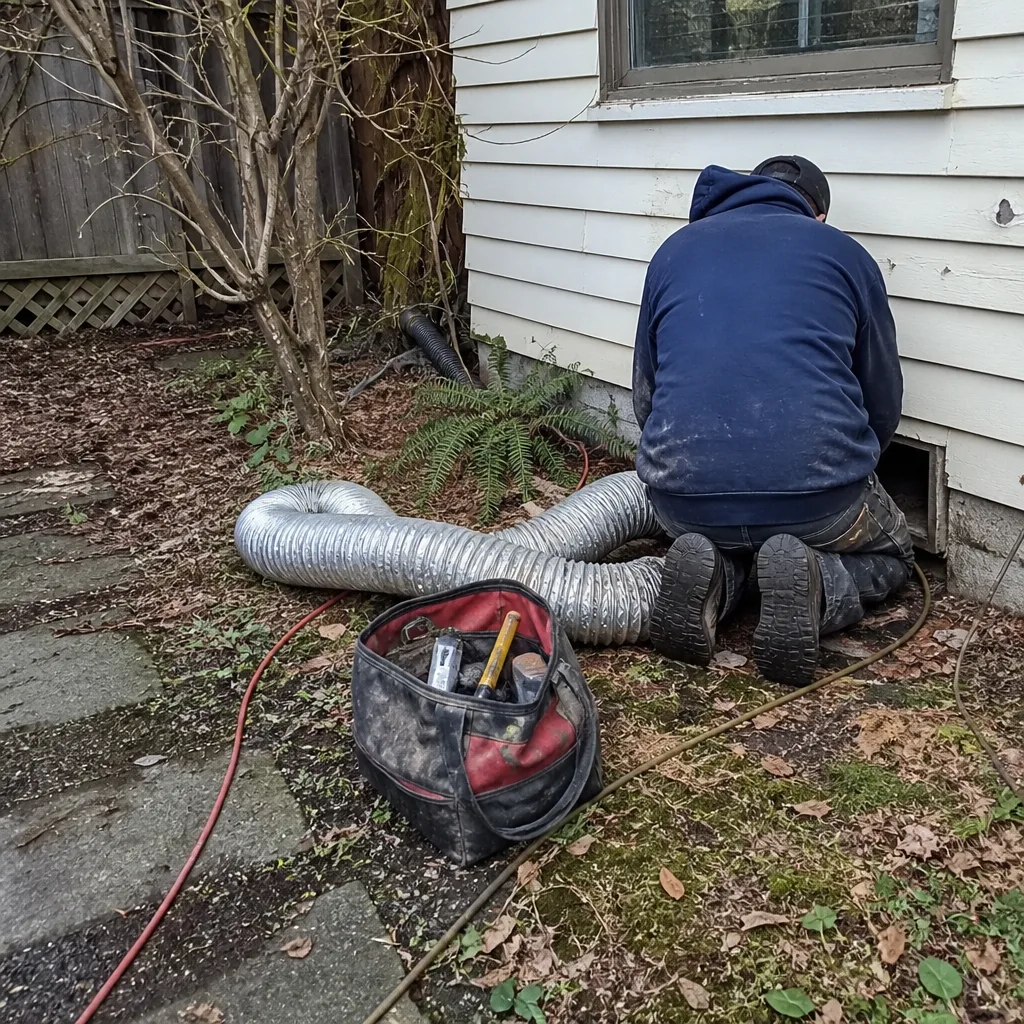 Before
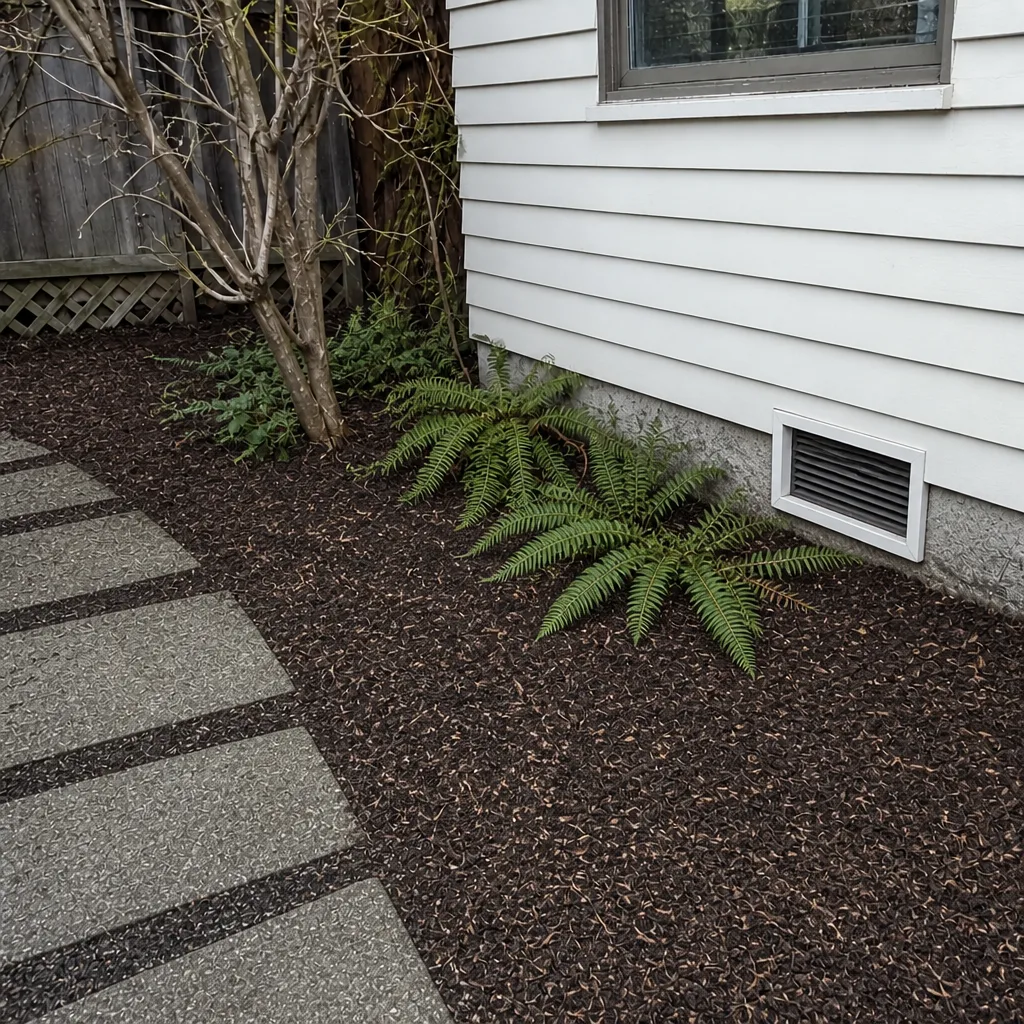 After
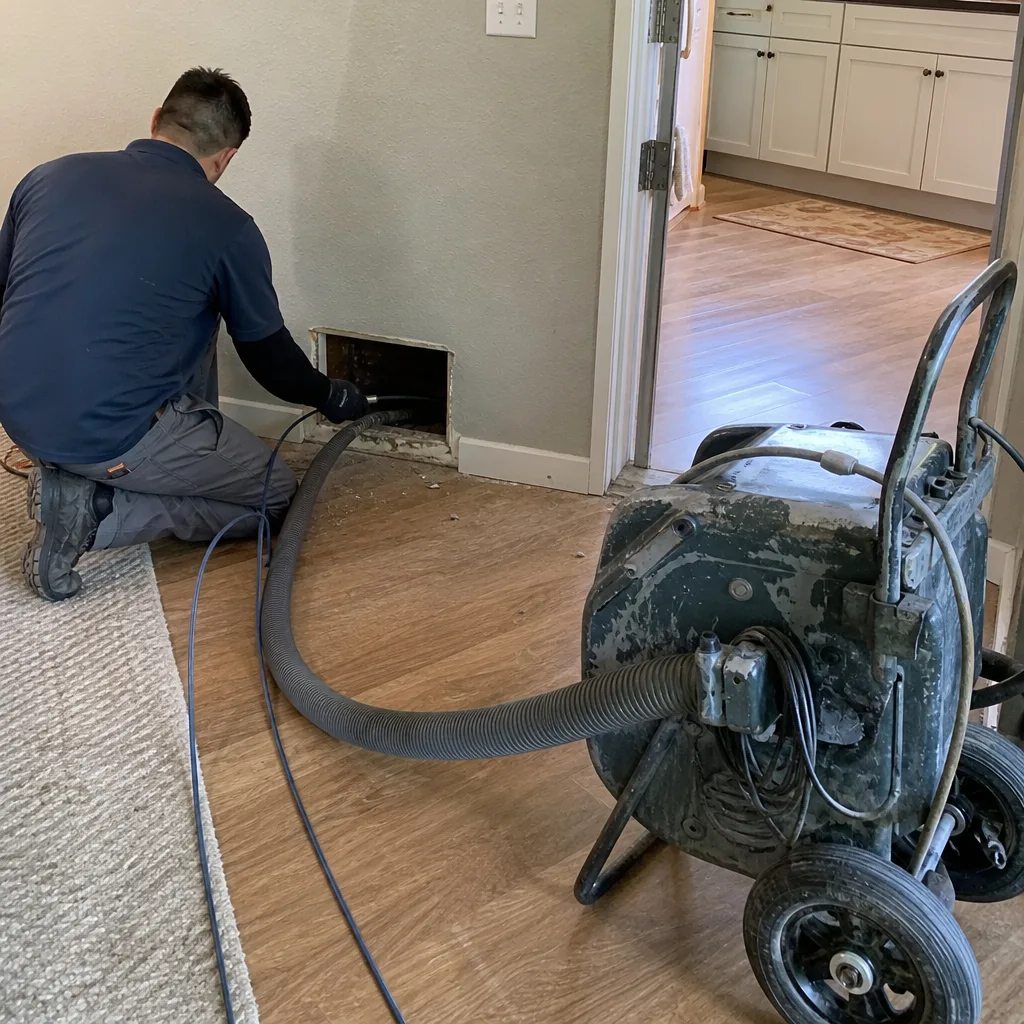 Before
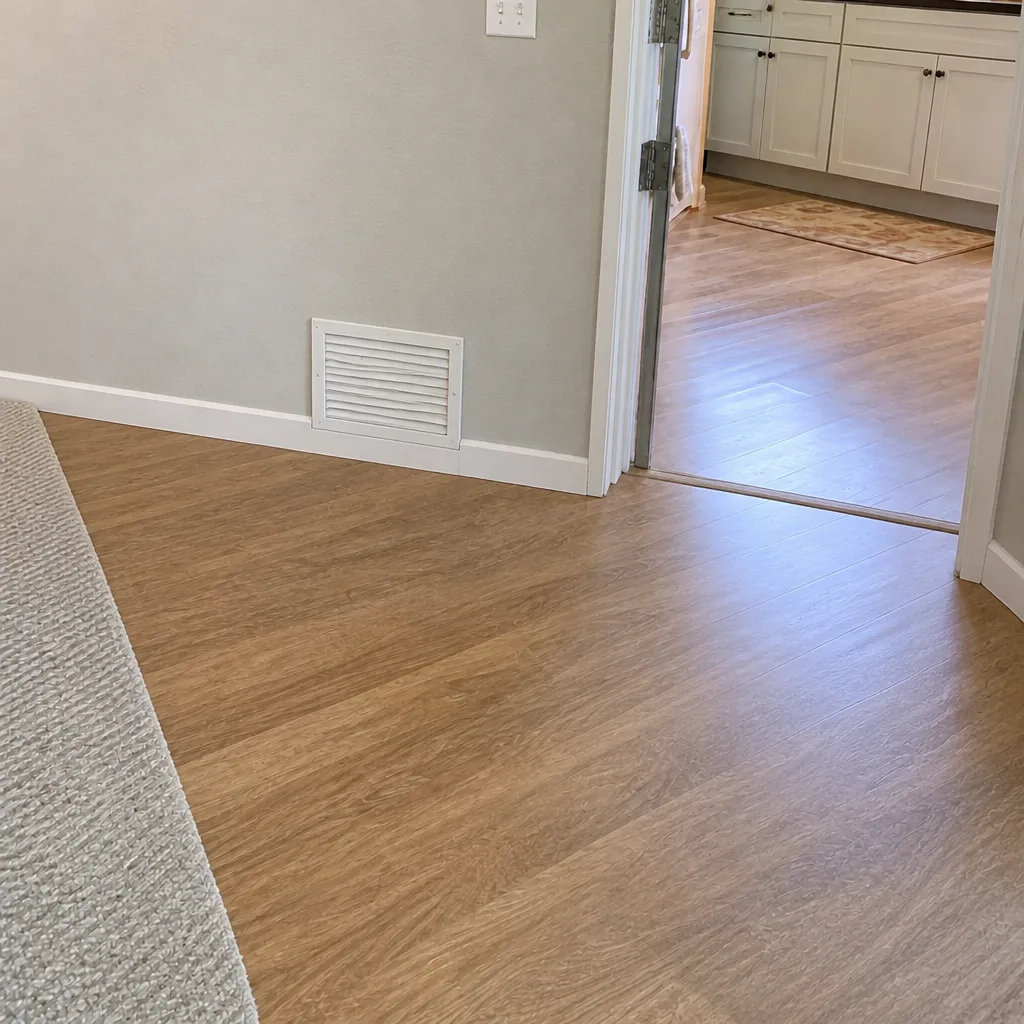 After
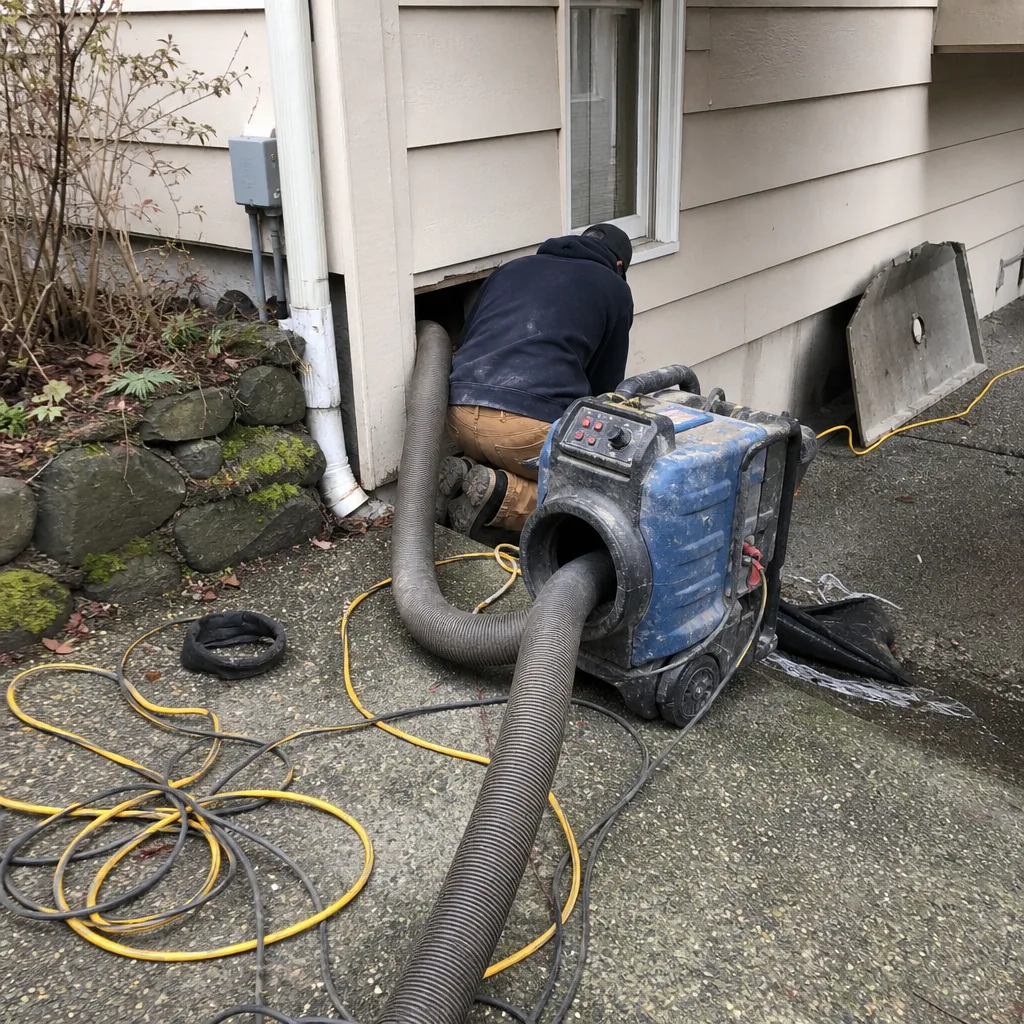 Before
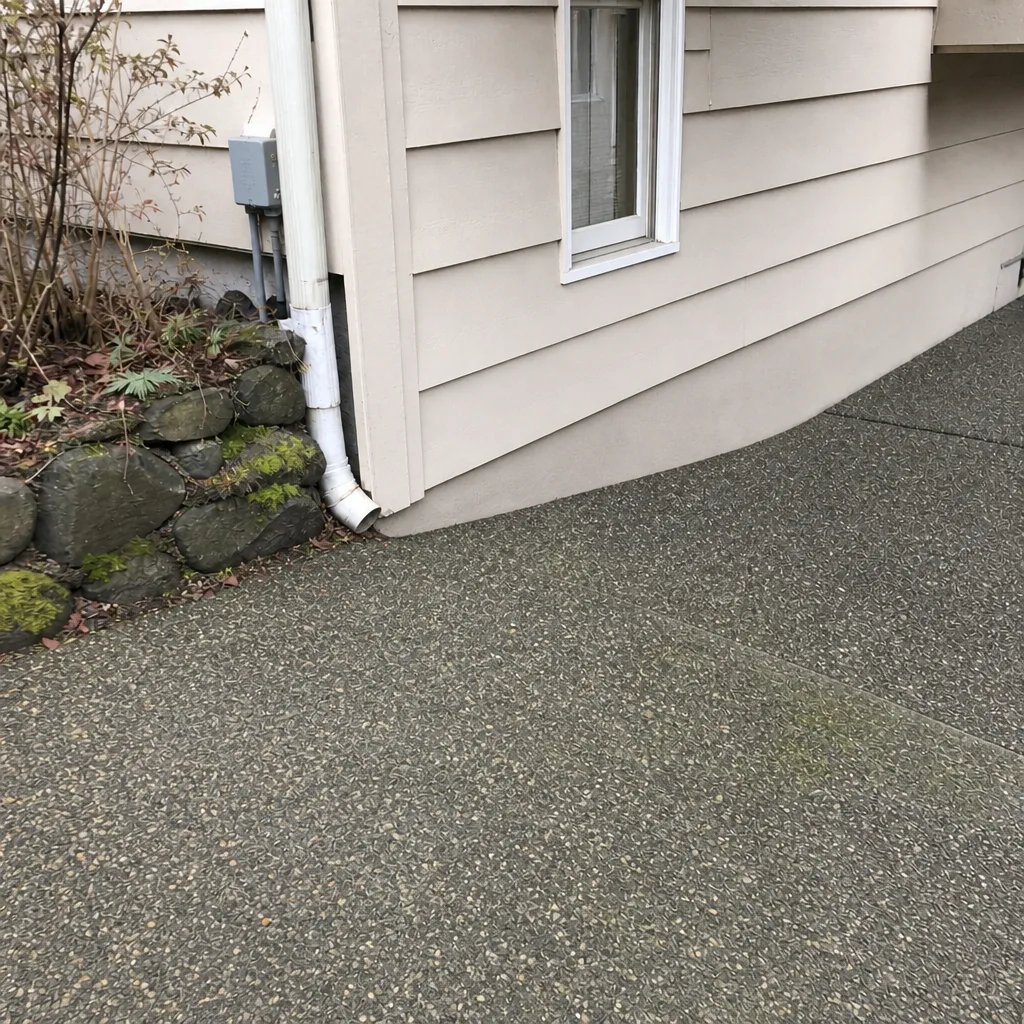 After
When to Call a Professional
Call a professional when the smell is persistent and musty rather than a one-time dusty startup smell, when more than one register shows reduced airflow, when dust rings reappear quickly after cleaning the grilles, when a room has been cold for two seasons or more despite the rest of the house being fine, or when a rattling noise has localized to a section of duct you can’t reach safely. Any single one of those is reason enough. Two or more together, and the system is overdue for a real inspection rather than a filter change. Air Duct Cleaning Ballard offers free estimates in Ballard – call (844) 443-4768. We answer 24/7. Fast dispatch from 7am to 7pm, Sunday through Friday. Our technicians have up to 13 years of experience, and the estimate is free with a written price confirmed before any work starts.
If you’d rather read up before calling, the air duct cleaning Ballard page covers the service scope, and if you’ve just finished a renovation, the HVAC cleaning page explains how the post-construction dust scenario is handled. If the smoke detector lives next to a dryer, the dryer vent cleaning page is worth five minutes.
Frequently Asked Questions
If the dust rings around registers return within a month of a fresh filter, or if the smell is musty rather than dusty, the ducts are the problem. A filter problem clears up when the filter is replaced and the ring stops growing. A duct problem returns, and it usually returns fast.
The heat raises the temperature of the duct surfaces, which volatilizes whatever is growing on them – that’s why the smell is strongest at startup and fades as the system runs. Moisture in the duct run, particularly in crawlspaces and vented attics, feeds biological growth on the interior surfaces. Cleaning plus sanitizing addresses it at the source.
A one-time hot-dust smell during the first startup of the heating season is common and usually harmless. A burning smell that persists past the first few minutes, or that comes with visible haze or a trip of the safety switch, is not normal. Shut the system off and call an HVAC technician.
The most common cause is duct leakage or an undersized branch run, not an undersized furnace. The heated air never reaches the room because it’s escaping at a joint along the way. A duct repair and sealing visit finds those leaks and closes them. A cold room that’s been cold for multiple seasons is the typical pattern.
There’s no universal schedule – it depends on the system, the filter setup, and whether there’s been a renovation or a known contamination source. The honest answer is to inspect first and clean when the inspection confirms buildup, not on an arbitrary calendar. A home that’s never had a system check and shows two or more of the warning signs in this guide is overdue.
The cost depends on the size and configuration of the system, the number of accessible runs, and whether duct repair, sealing, or sanitizing is included. We give a written estimate before any work begins and don’t price per vent – the price reflects the whole job. Call (844) 443-4768 for an exact quote. Estimates are free.
Before-and-after photos of your own duct system are the most direct evidence. Ask for them. A professional cleaning should also be able to explain what was found, what was sealed, and what would need follow-up. If a quote is dramatically lower than every other quote and doesn’t include containment or agitation equipment, it’s worth asking what’s actually included in that number.
The Bottom Line
Duct problems rarely announce themselves with a single dramatic event. They arrive as a smell at startup, a dust ring that keeps coming back, a cold room that’s been cold for years, or a rattle you’ve learned to talk over. Each of those is a symptom pointing at a specific cause, and the difference between a filter change and a duct repair is diagnostic, not instinct. When the smell is musty and persistent, when the dust ring returns, when a room won’t warm up, that’s the point to check the system instead of living with it. Clean air isn’t a luxury – it’s what the system is supposed to deliver. If any of the signs in this Ballard guide match what you’re seeing, it’s worth a look.
Call Air Duct Cleaning Ballard at (844) 443-4768 for a free estimate. We answer 24/7. Fast dispatch from 7am to 7pm, Sunday through Friday. The written estimate sets the price before any work begins.
Written by the team at Air Duct Cleaning Ballard.