
Last updated November 22, 2026
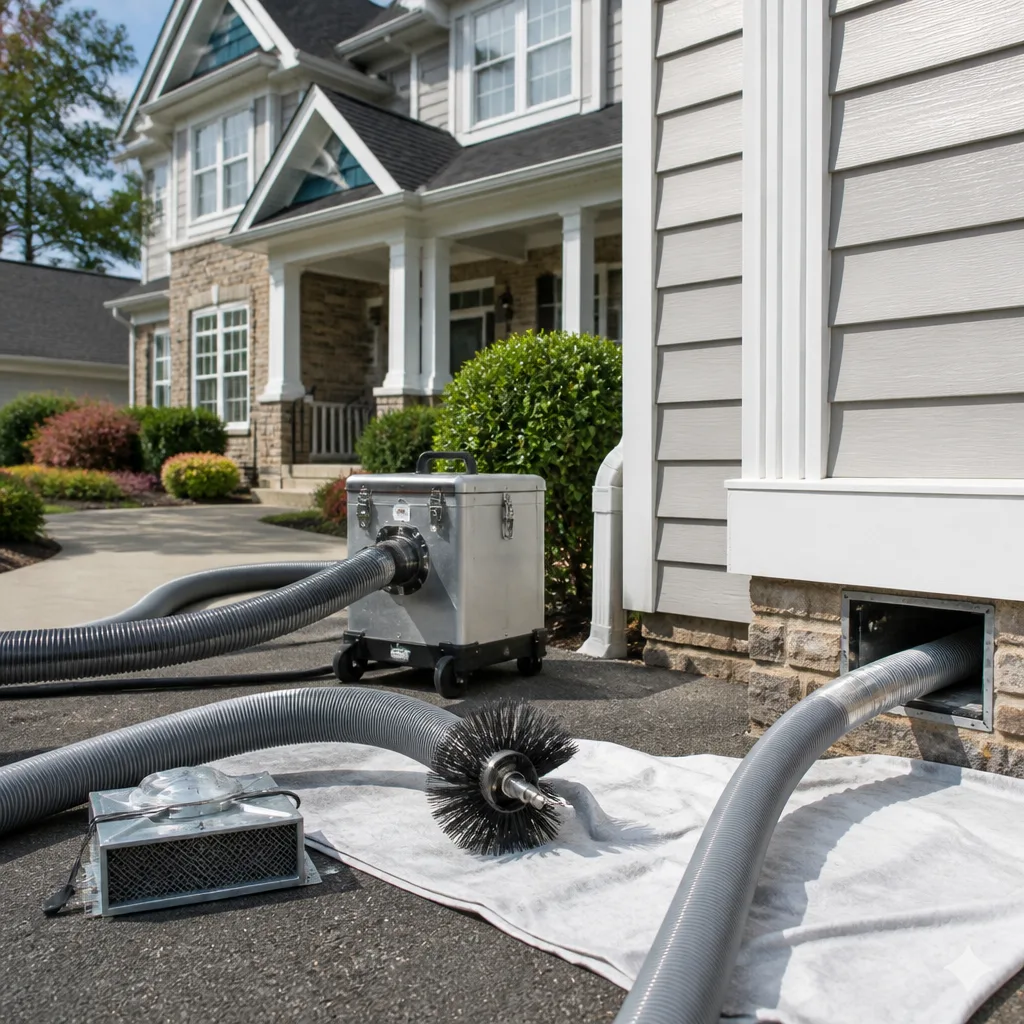 Whole-home duct cleaning
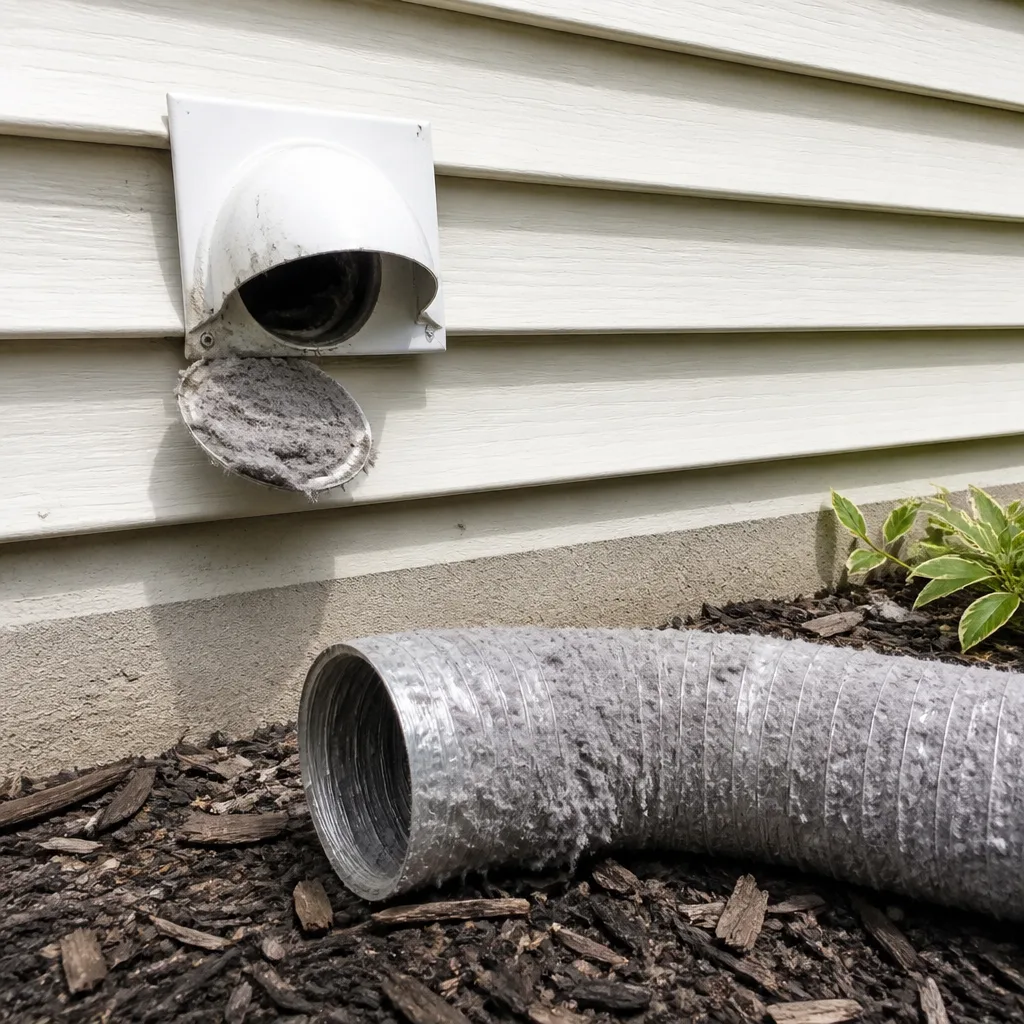 Dryer vent cleaning
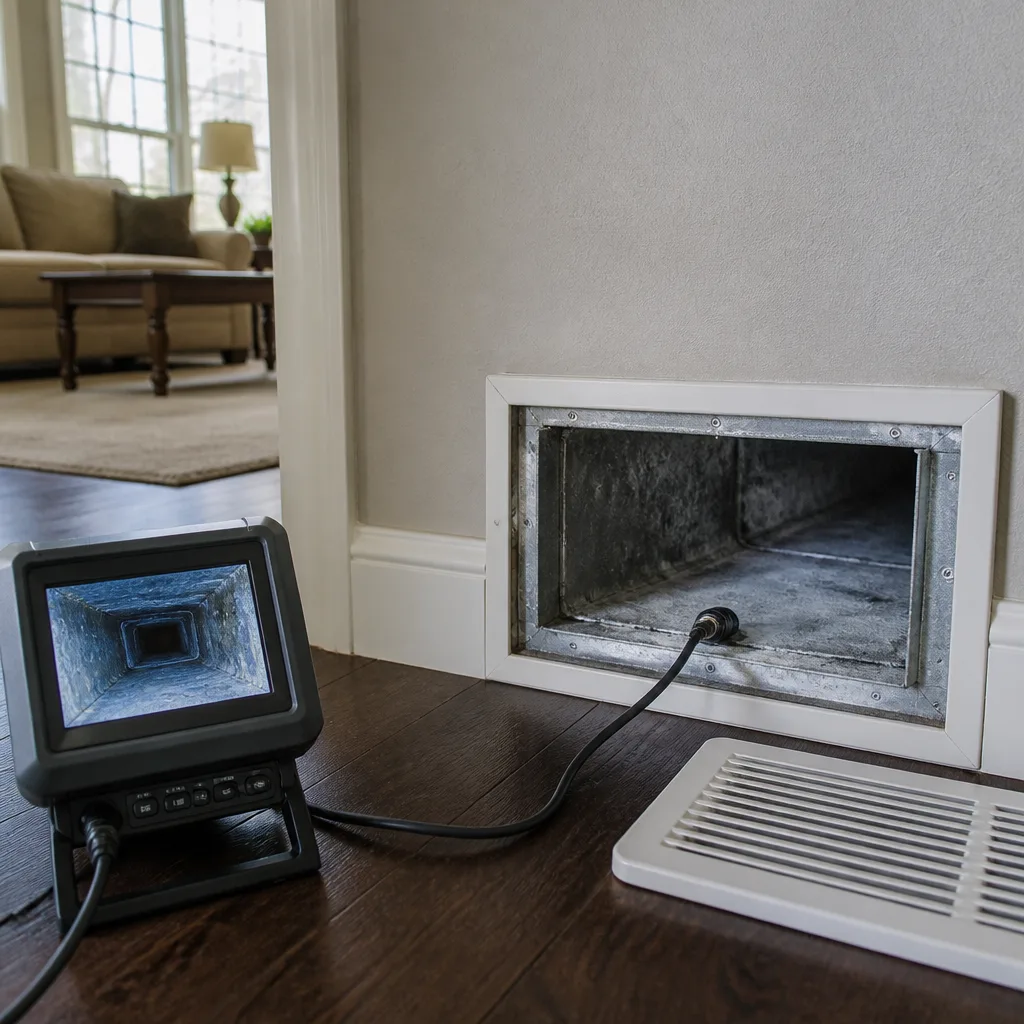 Camera inspection
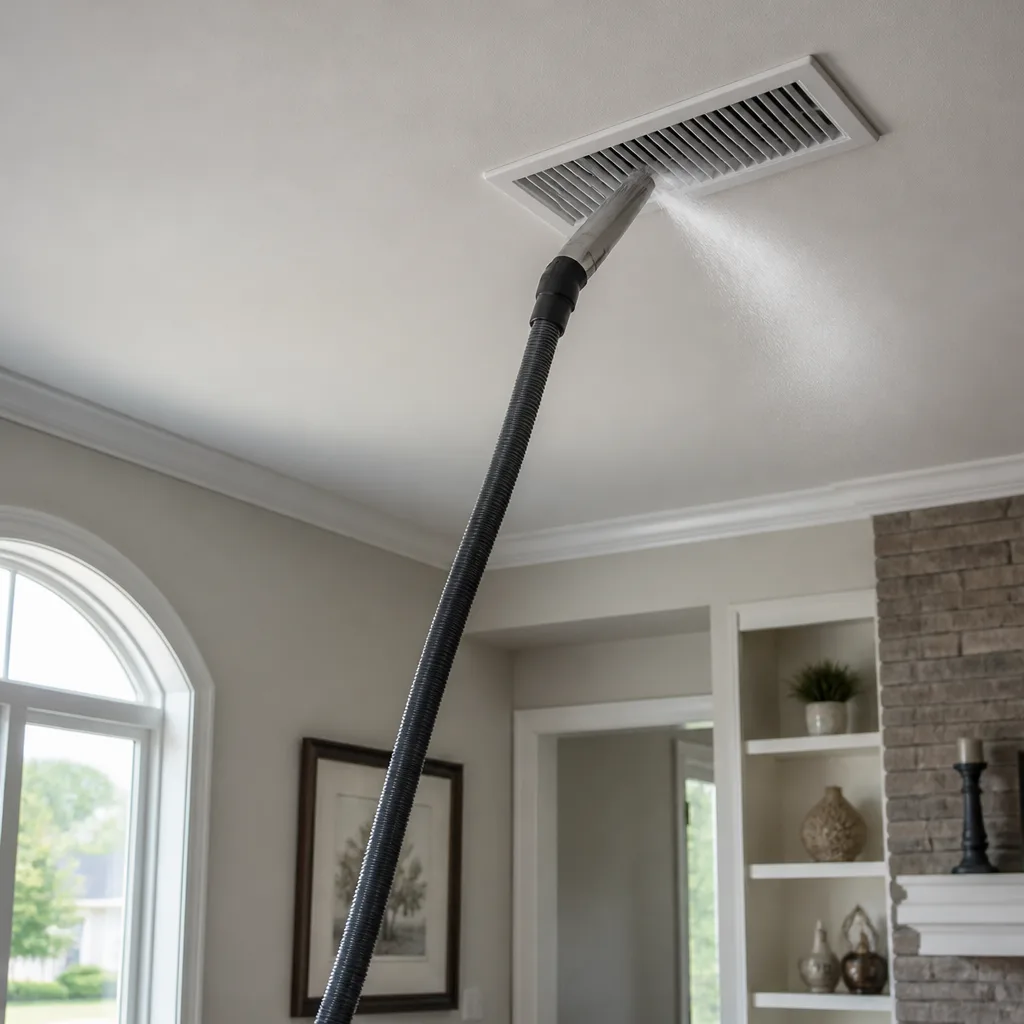 Sanitizing & deodorizing
Whole-system duct and dryer vent check with before-and-after photos - you see exactly what came out of your vents
That "$99 whole-house special" is a bait ad - the real number appears once they are in your hallway, or the "clean" is a shop-vac at the register. We photograph the inside of your ducts before and after instead.
The Complete Guide to Air Duct Cleaning in Ballard
Most air duct cleaning guides are written for a generic house in a generic climate. Ballard homes aren’t generic. A lot of them went up between 1940 and 1980, and many still carry the original galvanized sheet metal or early flex duct installed when they were built. Add a marine setting, months of damp air, and newer high-efficiency furnaces and heat pumps bolted onto systems designed decades earlier, and you get duct conditions that inland Pacific Northwest homes simply don’t share. Generic advice misses all of it. This guide walks through what duct cleaning in Ballard actually involves, from the pre-inspection to the white cloth test, so you know what a thorough job looks like before anyone knocks on your door.
Quick Answer
Air duct cleaning in Ballard means removing built-up dust, debris, and moisture-driven biological growth from the entire duct system, not just the visible registers. A proper job runs a pre-inspection first, then uses professional negative-pressure equipment to pull debris out while a contact cleaner scrubs the duct walls, and finishes with before-and-after photos and a verification test. In Ballard’s damp, older housing stock, cleaning without addressing leaks and sealing them afterward usually means the problem comes back.
Styles & brands we work with
- Whole-home duct cleaning
- Dryer vent cleaning
- Camera inspection
- Sanitizing & deodorizing
Table of Contents
- Why Ballard Ducts Age Differently
- How Maritime Humidity Affects Ductwork
- The Pre-Cleaning Inspection: Why It Comes First
- Truck-Mounted vs. Portable: What the Equipment Difference Means
- What a Legitimate Cleaning Scope Includes
- How to Verify the Job Was Actually Done
- What Air Duct Cleaning Costs in Ballard
Why Ballard Ducts Age Differently
Ballard sits in a maritime climate, and its housing stock reflects it. Walk through the neighborhoods around Ballard Avenue, Sunset Hill, or Loyal Heights and you’ll see the pattern: a postwar bungalow or mid-century rambler on one lot, a newer high-efficiency build next door. The older homes often still run on the original duct layout. That ductwork has spent decades cycling between warm supply air in winter and cool return air the rest of the year, in an environment where outdoor humidity stays elevated for a big chunk of the year.
Three things tend to go wrong in Ballard homes as a result:
- Galvanized duct aging. The zinc coating on older sheet metal erodes over time, leaving bare steel where dust sticks and moisture collects. Rust pitting gives debris a place to anchor.
- Flex duct collapse and sagging. Early flexible duct installed in the 1970s and 1980s sags on long runs. The inner liner can tear or separate from the outer jacket, which opens a path for attic or crawlspace air to enter the system.
- Leaky joints and seams. Old duct tape dries out and fails. Gaps at joints pull in unconditioned air from unconditioned spaces, which in Ballard often means crawlspace air.
Newer homes have their own issue. Tight, high-efficiency construction with a modern heat pump or variable-speed furnace moves air at higher static pressures than old ductwork was designed for. A system sized for a 1970s gas furnace may not be sized for the replacement equipment now attached to it. That mismatch stresses joints and accelerates leakage. Either way, the condition inside the duct varies greatly from home to home in Ballard, which is why a real assessment beats a rule of thumb.
How Maritime Humidity Affects Ductwork
Damp air is the single biggest difference between duct cleaning here and duct cleaning in a dry inland climate. When outdoor humidity is high for most of the year, the moisture that’s already in the airstream has nowhere to go. It condenses on cool surfaces, and ductwork is full of them: metal duct legs running through unheated crawlspaces or attics, the air handler cabinet, and the cooling coil.
Where there’s persistent moisture and a dust food source, biological growth follows. Biofilm and mold can take hold on the inside walls of ductwork in a way that simply doesn’t happen in drier regions. This matters for two reasons. First, cleaning has to remove the growth, not just loosen dust around it. Second, cleaning alone is temporary if the moisture source stays. A duct that’s cleaned but still leaks damp crawlspace air into the system will be re-contaminated.
That’s why we treat sealing and sanitizing as part of the same service rather than an upsell. Professional sanitizing after cleaning addresses what’s left on the duct surfaces. Duct repair and sealing addresses how the moisture got in. Paying attention to the air handler and the coil matters here too. A wet evaporator coil is one of the most common sources of standing moisture in a Ballard system, and cleaning the ducts while leaving a fouled, wet coil in place won’t fix the air quality problem.
If anyone in the house deals with allergies or asthma, or you’ve got young kids or older family members in the home, the moisture question is worth raising with whoever does the work. It’s the difference between solving the problem and just stirring it up.
The Pre-Cleaning Inspection: Why It Comes First
Any cleaning job in an older Ballard home has to start with a visual inspection before a single piece of equipment goes to work. This is not a marketing step. Applying full negative pressure to a compromised duct system can make things worse.
Here’s what a pre-inspection should cover:
- System layout and duct material. Identify what’s actually in the walls: galvanized, flex, duct board, or a mix. Each needs a different cleaning approach.
- Access points. Cut access openings at strategic points so the full run can be reached. Registers alone never give enough access.
- Condition of flex duct. Check for sagging, torn liners, disconnected sections, and crushed runs. Damaged flex isn’t cleaned; it’s replaced.
- Seam and joint condition. Note gaps where unconditioned air can be pulled in once the system is under negative pressure.
- The air handler and coil. Look for standing moisture, fouling, and biological growth on the coil. This determines whether sanitizing is needed.
- Return plenum integrity. Return systems running through crawlspaces are a common source of contamination in Ballard homes.
Skipping the inspection creates two risks. You can pull debris toward a failed joint instead of toward the extraction point, or you can pressurize a duct that’s already open and spread contamination into living spaces. Either way, you’re paying for a job that makes things worse. A legitimate technician walks the system and tells you what they found before starting.
Truck-Mounted vs. Portable: What the Equipment Difference Means
The biggest visible split between a real duct cleaning operation and a low-bid one is the equipment on site. Truck-mounted negative-pressure systems and portable shop-vac rigs aren’t on the same scale, and neither are the results.
A truck-mounted negative-pressure unit connects to the duct system through a hose and pulls a steady, high-volume vacuum through the entire system. It maintains that vacuum while technicians work each run, so debris drawn loose anywhere in the duct gets extracted rather than settling back down. Contact cleaning tools then scrub the duct walls, dislodging what clings to the metal or liner. Professional brands in this category include Rotobrush contact-cleaning systems and Nikro negative-air machines.
A shop vac and a spinning brush on the end of a drill is a different job entirely. The vacuum is small, the airflow is low, and the technician is often working without containment. Loosened debris ends up in the air in your living room, in the ducts you didn’t get to, or settled back on surfaces once the vacuum is off.
One more piece of equipment matters and frequently gets skipped: containment. Abatement Technologies air filtration equipment creates negative pressure during the job, so the dust and debris pulled out of the system is contained rather than circulating indoors. Commercial contractors specify this equipment for a reason. It’s standard practice in commercial HVAC work because it works.
What to look for on arrival
- A negative-pressure source larger than a portable vacuum, or a portable unit rated for full-system work.
- Containment filtration set up before any cleaning begins.
- Access openings cut at multiple points, not just at the registers.
- Contact cleaning tools scaled to the duct size, not a single brush for everything.
What a Legitimate Cleaning Scope Includes
The visible vent in your living room is roughly five percent of the duct system. A thorough job covers the whole thing. If a technician spends the visit cleaning only the supply registers you can see, the job isn’t complete by any professional standard.
A full scope in a Ballard home includes:
- All supply registers and boots. Remove the grilles, clean the boot, and pull each branch run back to the trunk.
- Trunk lines and main plenums. The largest duct runs collect the most debris and get the same cleaning as the branches.
- Return air plenums and grilles. Return systems running through crawlspaces or utility chases in older Ballard homes often carry the heaviest contamination load.
- The air handler cabinet. Clean the interior of the cabinet, not just swap the filter.
- The evaporator coil. Clean the coil. A fouled, wet coil re-contaminates the system immediately.
- Sealing any leaks found. Repair and seal leaks identified during the inspection so the system stays clean.
- Optional sanitizing. Apply sanitizing treatment where moisture and biological growth were present.
The full-system approach matters. Cleaning the supply side and leaving the returns or the coil untouched means the freshly cleaned ducts pick up the same contamination on the first cycle. Homeowners who’ve been burned by a quick visit often find that’s exactly what happened: the ducts in the middle were never touched. Our air duct cleaning in Ballard service is built around the full scope, not a register-only visit.
While the technicians are in the system, dryer vent cleaning is worth scheduling at the same time. Lint buildup is a fire risk, and the vent is part of the same mechanical system you’re already paying attention to. If the dryer is taking longer than usual to dry a load, that’s worth a look.
How to Verify the Job Was Actually Done
Verification is the part most homeowners don’t know to ask for. It’s also the part that separates a real cleaning from a fast one. Ask for three things.
Before and after photos
Photos of the inside of the ductwork, taken through an access opening, before and after cleaning. Not photos of a filter. Photos of the duct interior at multiple points in the system. A technician who’s done the work has nothing to hide here.
Airflow readings
Static pressure or airflow readings taken before and after the job. These tell you whether the system is moving air efficiently. If a duct was crushed, blocked, or badly leaking before cleaning, the readings flag it, and that’s information you can act on.
The white cloth test
At the register openings, run a clean white cloth along the inside of the duct and the boot. A properly cleaned duct leaves only light, faint residue on a white cloth. A thick dust smear means the surface wasn’t cleaned. This is a five-second test you can run yourself when the crew leaves.
Additionally, take a look at the registers themselves. Clean grilles and clean boots should look and feel clean. If the visible surfaces are dusty after a job, the hidden ones probably weren’t touched.
What Air Duct Cleaning Costs in Ballard
Duct cleaning is priced per system, by written estimate, based on the size and condition of the system, the number of runs, whether contamination is present, and whether sealing or sanitizing is included. We don’t quote a flat number over the phone because the honest answer varies by home.
What we will say is this: prices in the trade fall into ranges, and the per-vent pricing you’ll see advertised isn’t a real estimate of a full-system job. If a quote comes in very low, ask what scope it covers. If it covers only the visible registers, you’ll generally pay more later to have the rest of the system cleaned properly.
- Whole-system pricing: set per job, based on the system.
- What’s included: all supply runs, returns, plenums, air handler cabinet, and coil.
- Add-ons: sealing, sanitizing, dryer vent cleaning, and repair are quoted separately when needed.
- Written estimate: provided before work begins, and it sets the final price.
If you’d like to know what a Ballard job runs for your system, call us and we’ll walk through it. If you’ve already got a quote from elsewhere, we’re happy to compare scopes. Air duct cleaning is one of those services where the price and the scope are the same thing, so it’s worth reading both carefully.
While we’re in the system, our HVAC cleaning service covers the components around the ducts, and dryer vent cleaning handles the appliance side. One visit, whole system, no chasing separate contractors.
Common Mistakes to Avoid
- Believing a per-vent quote is a system estimate. A per-vent price covers only the visible openings, not the trunks, plenums, or coil. Ask what’s included in writing before you book.
- Cleaning before inspecting. In an older Ballard home, damaged flex duct or a failed joint can turn cleaning into a bigger problem. The inspection tells you what the job actually is.
- Taking a technician’s word without verification. Ask for before-and-after photos, airflow readings, and run the white cloth test at one or two registers yourself.
- Cleaning the ducts but leaving the coil. A wet, fouled evaporator coil is often the source of the moisture and biological growth in the system. Cleaning the ducts without addressing the coil is a partial job.
- Ignoring leaks after cleaning. Cleaned ducts with leaking joints pull in crawlspace air and dust every time the system runs. Sealing matters as much as cleaning.
- Letting a contractor work without containment. Abatement Technologies air filtration equipment keeps debris contained during the job. If it’s not on site, that’s a red flag to raise.
- Skipping the dryer vent. It’s part of the same mechanical system and a real fire safety issue. If a full service visit is already scheduled, it makes sense to have it done.
See the difference
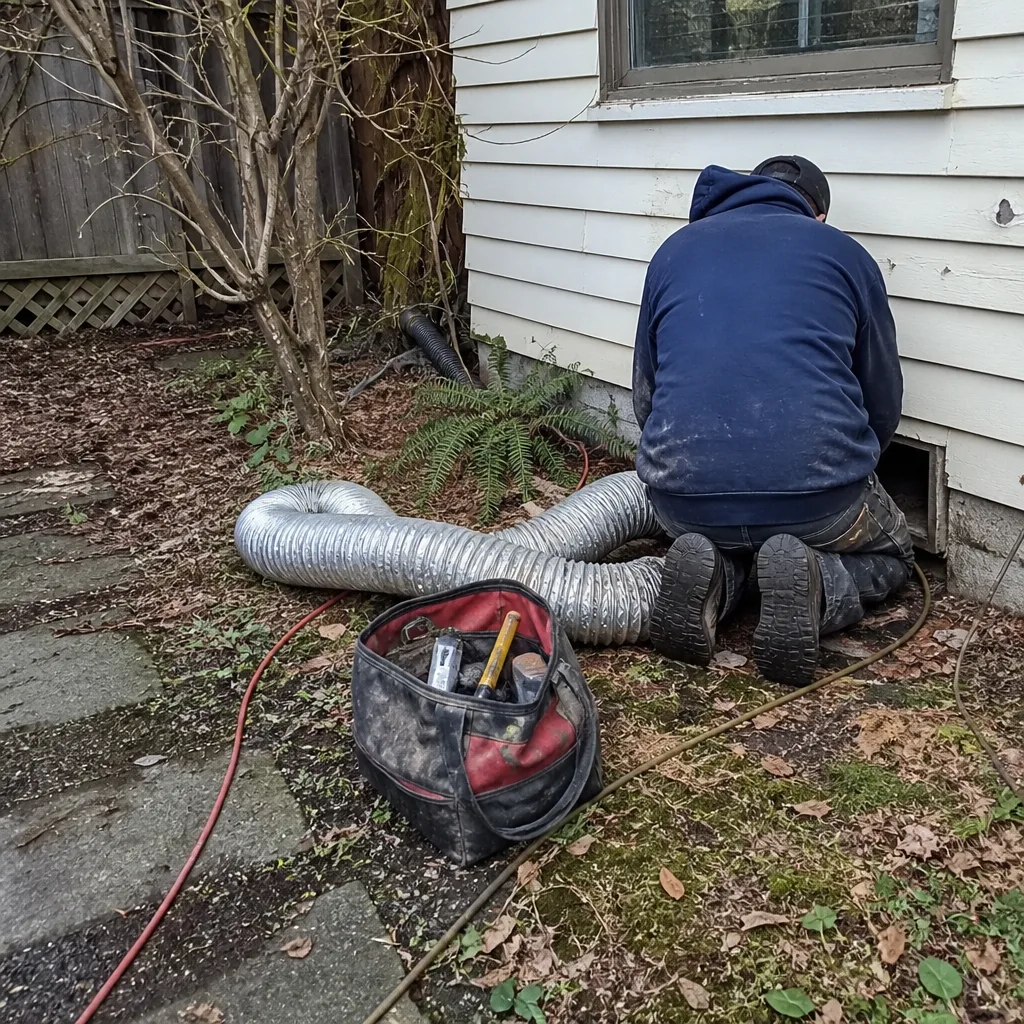 Before
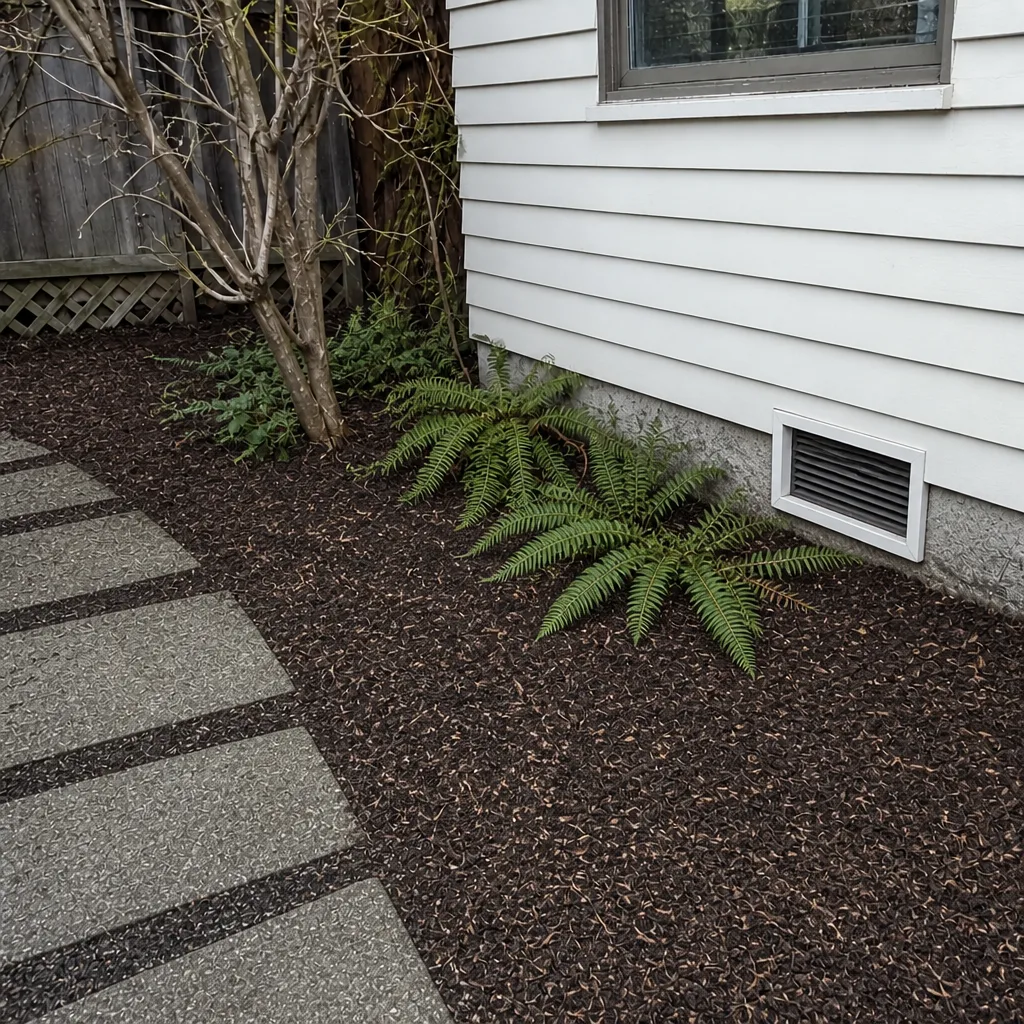 After
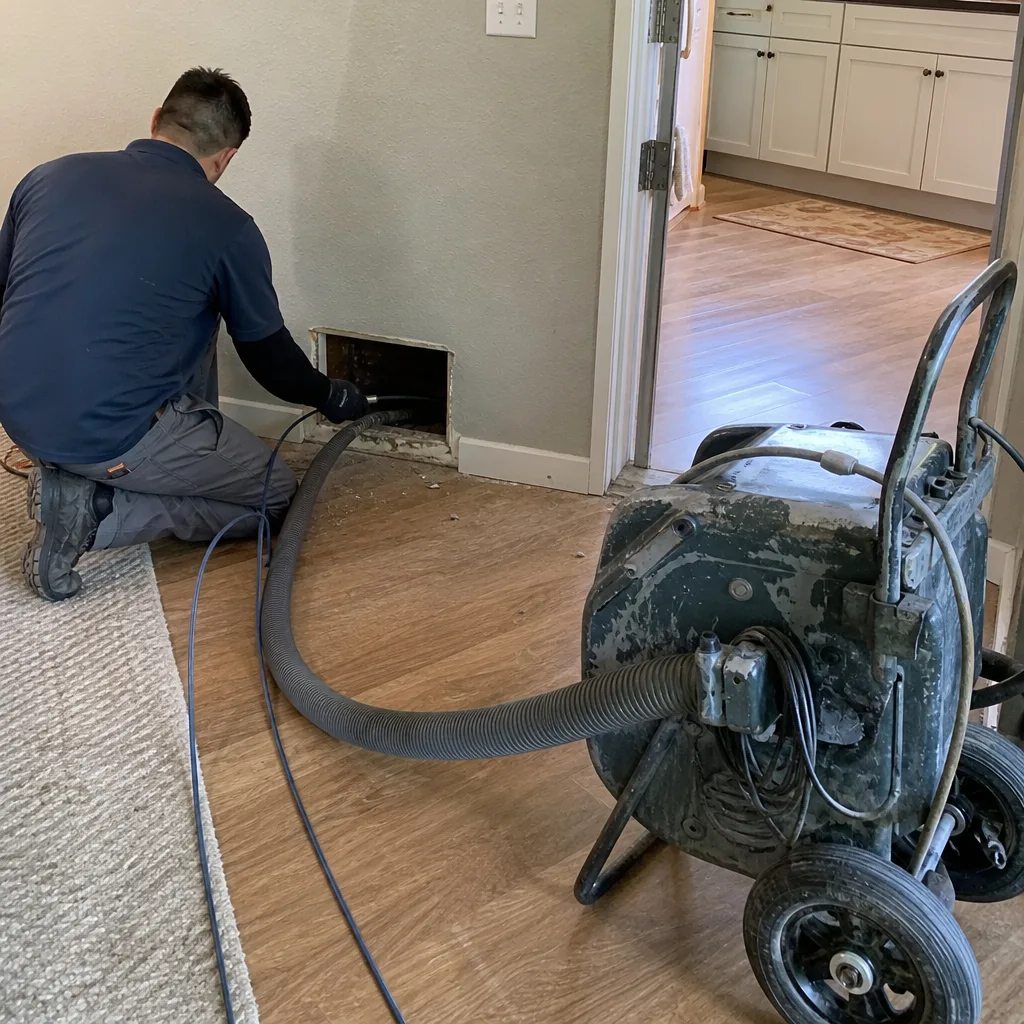 Before
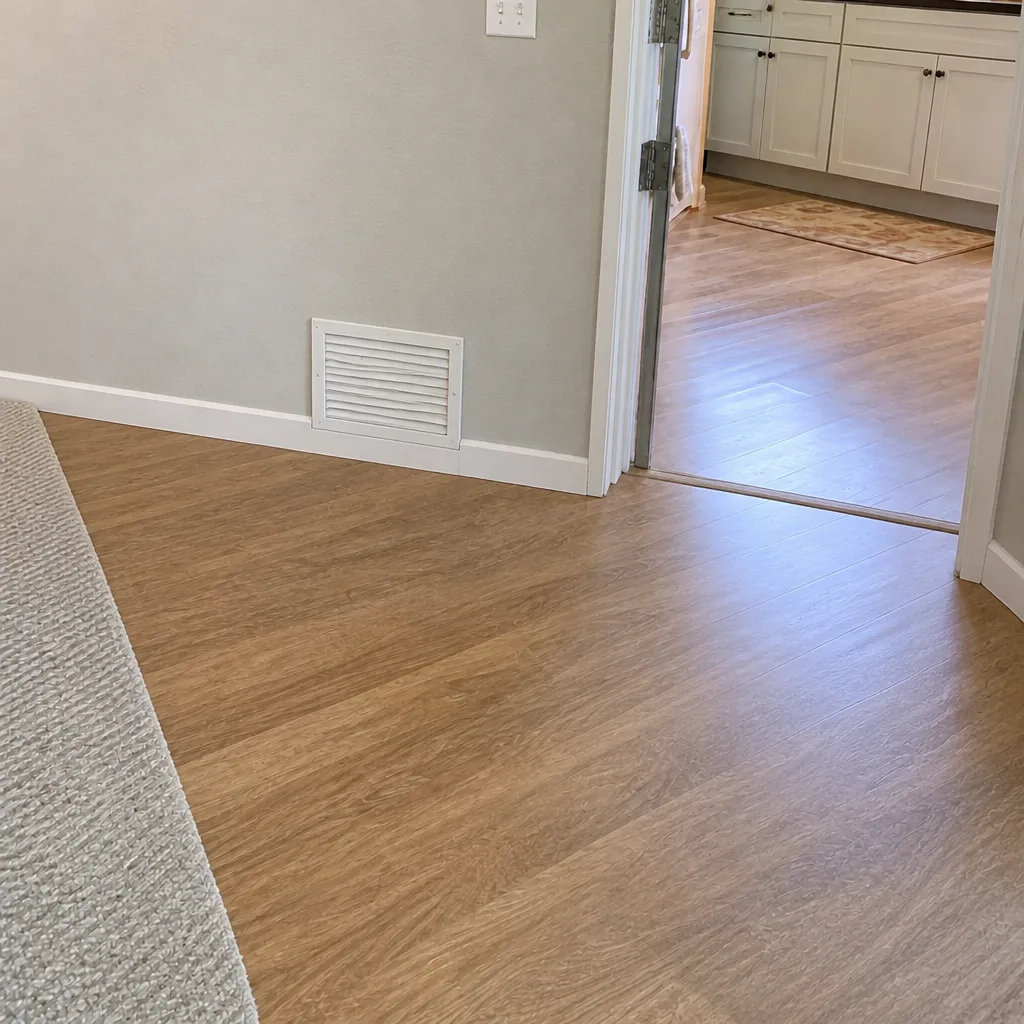 After
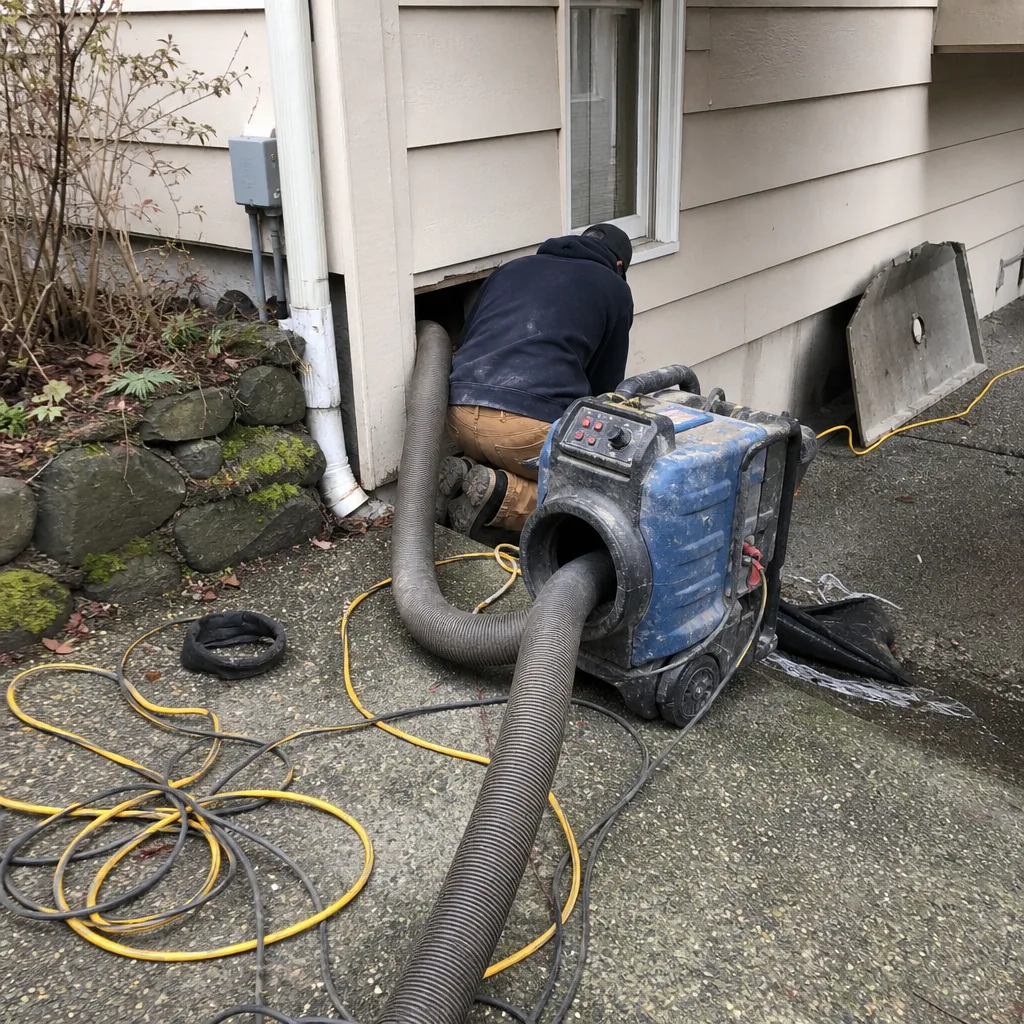 Before
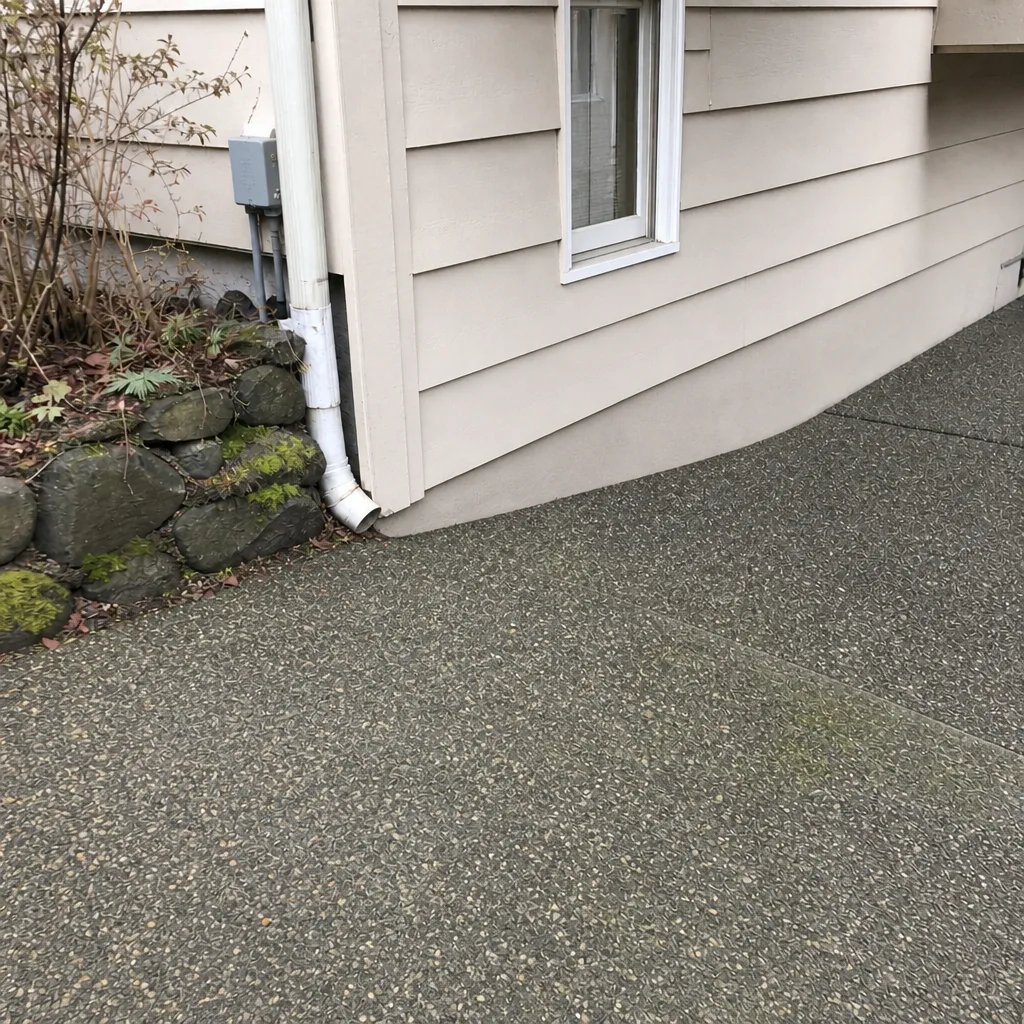 After
When to Call a Professional
Some things can wait. These typically can’t. Call a professional when you see visible dust streaks coming from the registers, when a family member’s allergies or asthma symptoms get worse indoors and improve outside, after a renovation that generated significant dust, when the system was flooded or badly wet, or when the ductwork is more than a decade old and hasn’t been cleaned. Also call if you find evidence of mold inside a register or along the duct surface. In Ballard, where moisture hangs around for much of the year, that last one deserves a quick response rather than a wait-and-see.
Air Duct Cleaning Ballard offers free estimates in Ballard. Call (844) 443-4768. We answer 24/7. Fast dispatch from 7am to 7pm, Sunday through Friday.
Frequently Asked Questions
Air duct cleaning in Ballard is priced per system by written estimate, not by the vent. The estimate sets the final price and is based on system size, duct condition, and whether sealing or sanitizing is needed. Call (844) 443-4768 for an exact quote, estimates are free.
Most homes need it every three to five years, but that’s a general guide rather than a rule. In Ballard’s humid climate, older homes with original ductwork and homes with allergies or recent renovations often benefit from more frequent cleaning. Call (844) 443-4768 to talk through your system, the estimate is free.
Yes, for three reasons: the humidity drives mold and biofilm growth inside ductwork, the older housing stock often has aging galvanized or flex duct that needs inspection before cleaning, and modern high-efficiency systems stress original duct layouts. Call (844) 443-4768 for a free estimate on a Ballard system.
Ask for before-and-after photos of the duct interiors, airflow readings, and run the white cloth test at a register yourself. A properly cleaned duct leaves only faint residue on a white cloth. Call (844) 443-4768 to schedule a job that includes that verification.
Cheap quotes generally cover less: only the visible registers, no containment equipment, no inspection, no coil cleaning. Our full scope covers the trunk lines, returns, plenums, air handler, and coil. Call (844) 443-4768 and we’ll explain the scope in writing before you commit, the estimate is free.
Yes. Air duct cleaning Ballard technicians clean the supply runs, returns, plenums, air handler cabinet, and coil in the same visit. It’s the only way to keep a system clean. Call (844) 443-4768 for a free estimate.
The Bottom Line
Duct cleaning in a Ballard home isn’t the same job as cleaning a home in a dry inland climate. Between the moisture, the aging ductwork, the modern high-efficiency equipment, and the older housing stock around the neighborhood, the conditions vary enough that a generic approach just doesn’t hold. What works here is a pre-inspection, professional equipment with containment, a full scope that touches the whole system, sealing and sanitizing where needed, and real verification at the end. That combination is what a thorough job looks like, and it’s what you should expect before anyone shows up at your door.
Written by the team at Air Duct Cleaning Ballard.