
Last updated November 22, 2026
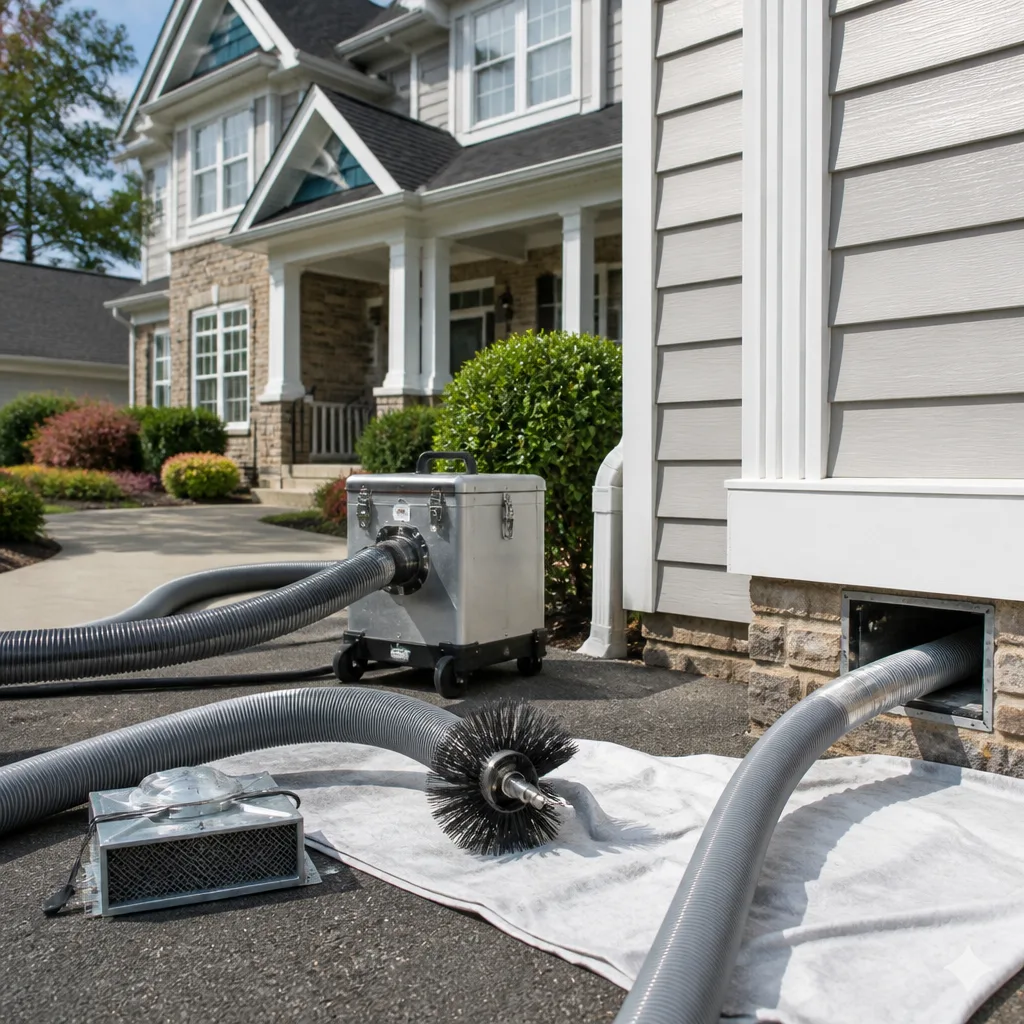 Whole-home duct cleaning
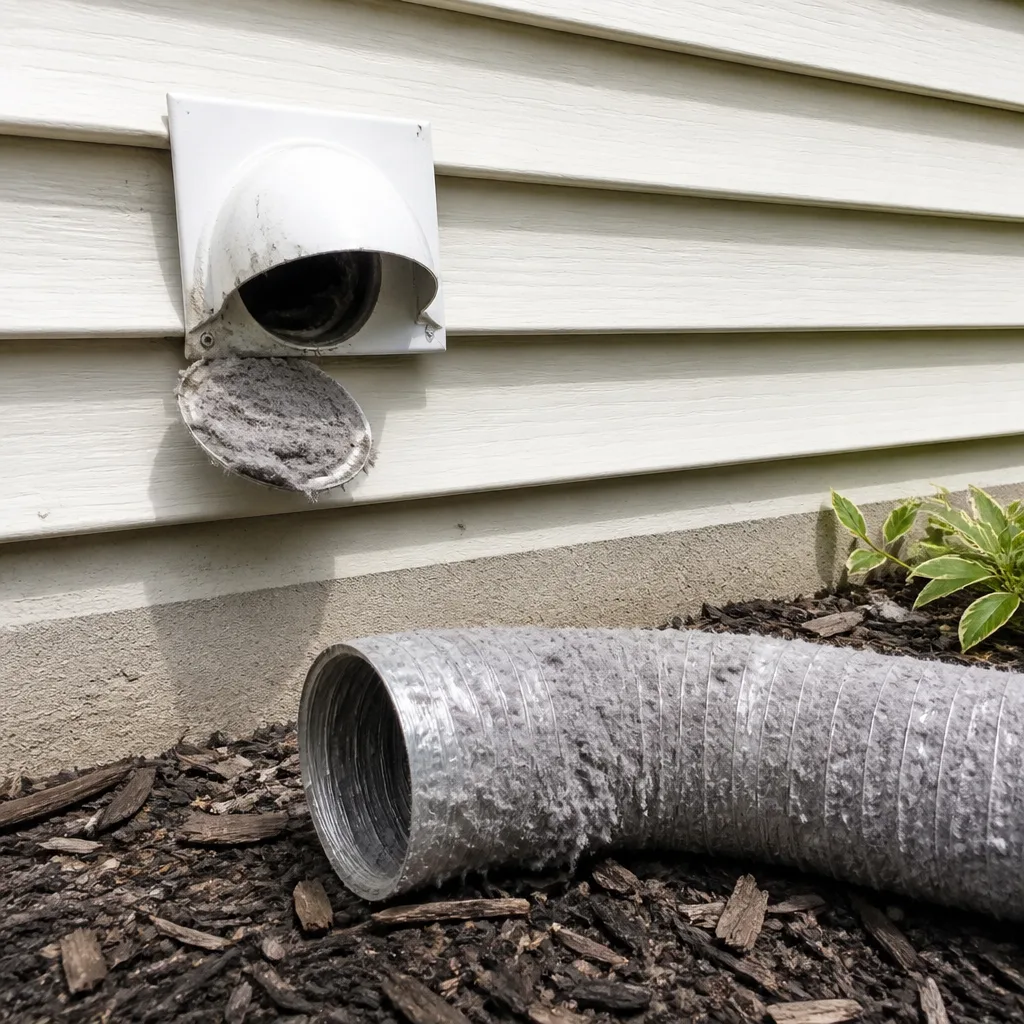 Dryer vent cleaning
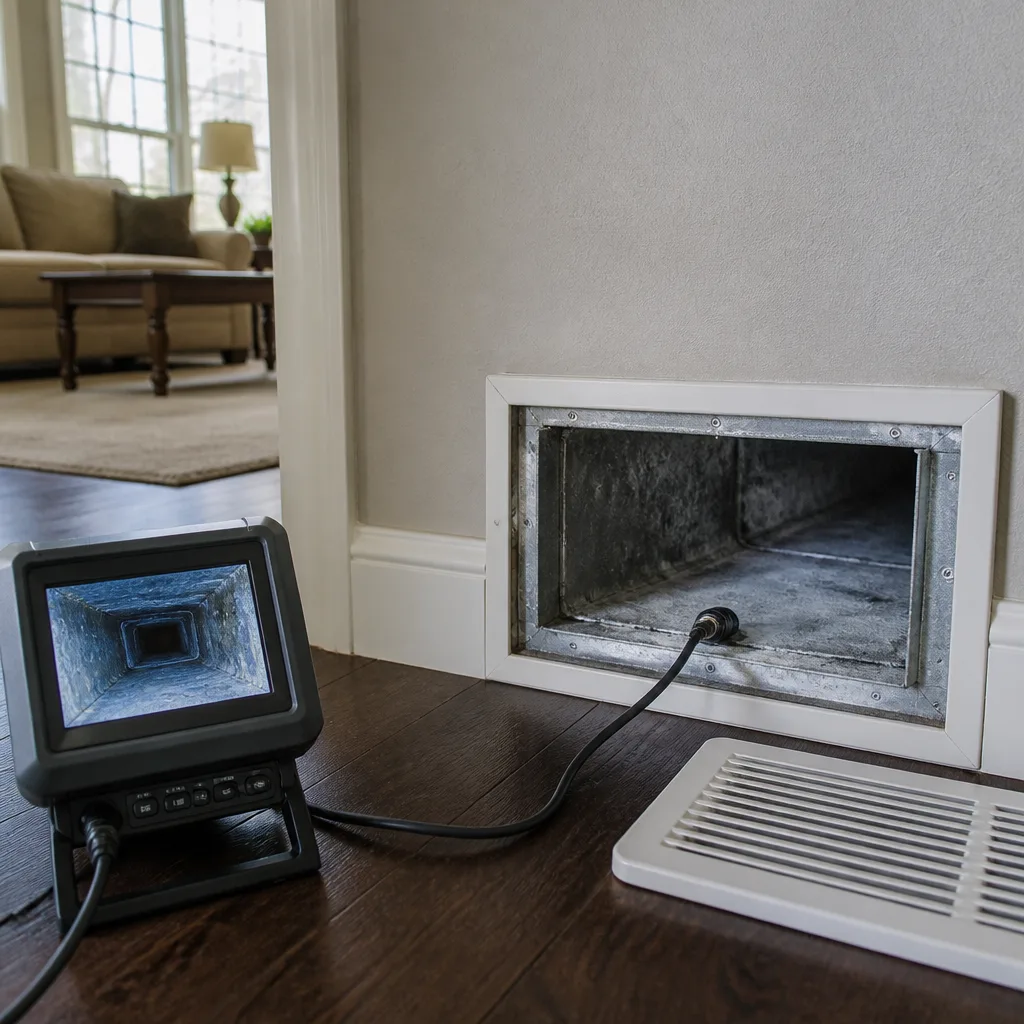 Camera inspection
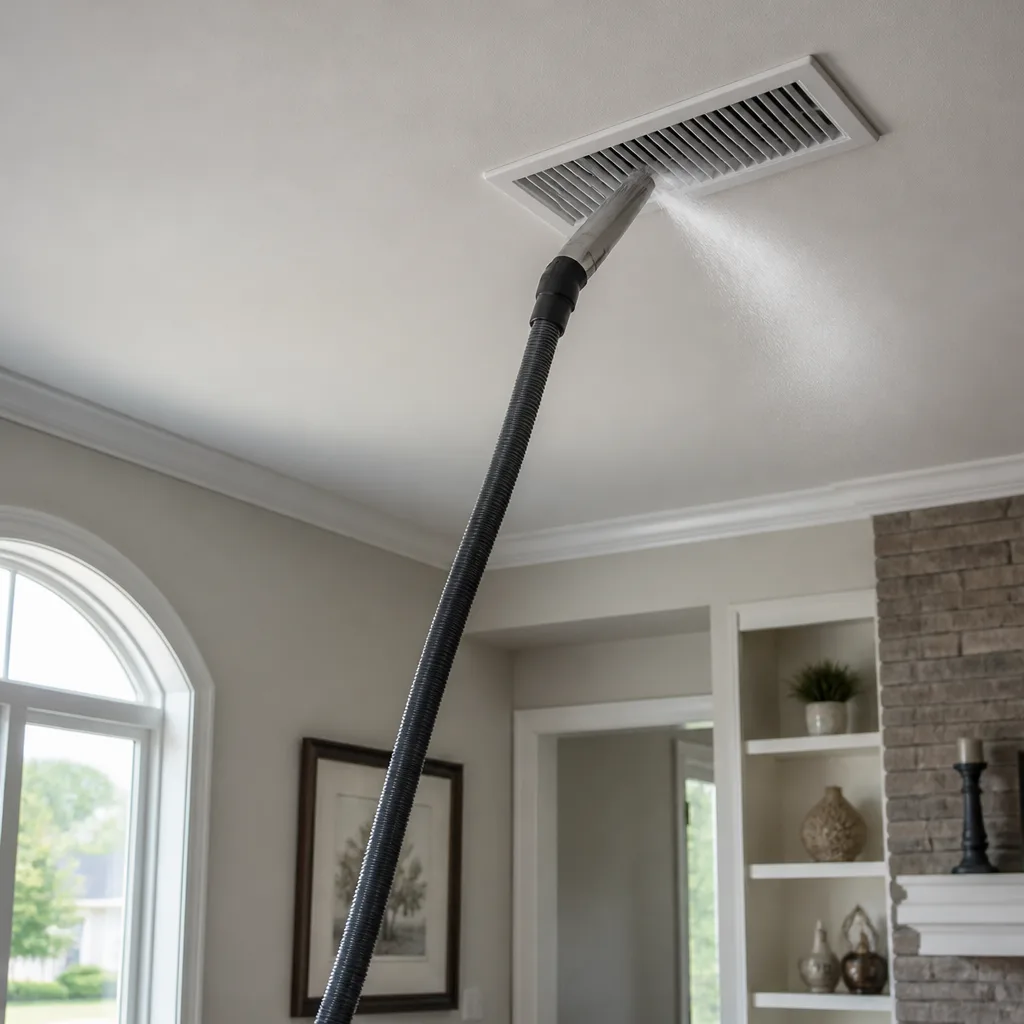 Sanitizing & deodorizing
Whole-system duct and dryer vent check with before-and-after photos - you see exactly what came out of your vents
That "$99 whole-house special" is a bait ad - the real number appears once they are in your hallway, or the "clean" is a shop-vac at the register. We photograph the inside of your ducts before and after instead.
Air Duct Cleaning Maintenance Schedule: What to Do and When
Most duct cleaning advice hands you the same number: every three to five years. That interval was built for average U.S. conditions, and it quietly assumes your home sits in a place with steady humidity, predictable seasons, and modern ductwork. Ballard isn’t average. We get a wet climate, a lot of older housing stock, and plenty of gas appliances, and together those shift how fast contamination builds inside a duct system. In this guide, we’ll help you build a schedule around your home’s real risk factors instead of a boilerplate rule, so you clean when it matters and skip the visits that don’t.
Quick Answer
There’s no single correct interval for air duct cleaning in Ballard, WA. A low-risk home with pets, no allergy sufferers, and newer sealed ductwork can often go longer between cleanings, while a home with crawlspace returns, recent renovation dust, or occupants with respiratory concerns may need a maintenance clean on a tighter cycle. Build a schedule from your home’s risk score, watch for moisture and biological growth, and calendar related tasks like dryer vent and HVAC coil checks around the same visit.
Styles & brands we work with
- Whole-home duct cleaning
- Dryer vent cleaning
- Camera inspection
- Sanitizing & deodorizing
Table of Contents
- Why the Standard Cleaning Interval Doesn’t Fit Ballard
- How to Score Your Home’s Duct Contamination Risk
- How Pacific Northwest Humidity Drives Growth Inside Ducts
- Maintenance Clean vs. Remediation Clean
- What to Do Between Professional Cleanings
- How to Calendar Related Tasks Around a Duct Cleaning
- Warning Signs You Should Move Your Cleaning Up
- Common Mistakes to Avoid
Why the Standard Cleaning Interval Doesn’t Fit Ballard
The “every three to five years” rule is a reasonable middle for a dry, temperate home. Ballard gets around 37 inches of rain a year, and it sits in a climate zone where condensation inside flex duct is a recurring problem. That changes the math. Moisture is what turns ordinary dust and organic debris into the conditions mold needs, and a duct system that stays damp between heating and cooling seasons is a different maintenance job than one in a dry climate.
Housing matters just as much. Ballard has a deep stock of older homes, and many were built before ductwork was sealed the way it is today. Loose joints, unsealed returns, and flex runs that sag or disconnect all let in unconditioned air from crawlspaces and attics. Add gas appliances common in the neighborhood, which can carry combustion byproducts and extra moisture into nearby returns, and you’ve got a system that pulls in more than a modern sealed home would.
So the schedule shouldn’t be a number pulled from a national average. It should reflect your home’s actual profile:
- How many pets live indoors, and how much they shed.
- Whether anyone in the house has allergies, asthma, or other respiratory concerns.
- The age and condition of your ductwork, including how well the joints are sealed.
- Whether your returns run through a crawlspace or attic.
- Any recent renovation that put drywall or sawdust into the air.
Score yourself honestly on those, and you’ll land closer to the right interval for your house than any universal rule can get you. That’s the same reason our technicians start every visit with an inspection rather than a calendar: air duct cleaning works best when it matches the system in front of us.
How to Score Your Home’s Duct Contamination Risk
A five-minute self-audit will tell you more about your ideal cleaning interval than any general guideline. Use this checklist and count how many risk factors apply to you.
- Pets indoors: Two or more shedding pets is a high-risk factor. Fur and dander pack into return grilles and coat duct walls faster than household dust alone.
- Occupants with allergies or respiratory concerns: Someone with asthma or seasonal allergies raises the priority. You want clean supply air, and you want evidence the work was actually done.
- Age of ductwork: Ducts older than a few decades, or any flex duct with visible sagging or disconnected joints, is a risk factor. So is unsealed sheet metal.
- Crawlspace or attic returns: If your return runs through an unconditioned space, it can pull in soil, insulation fibers, and crawlspace air. That’s a strong risk factor in Ballard.
- Recent renovation: Drywall dust and sawdust settle into every horizontal run. A post-renovation cleaning is its own category, and you’ll usually want it soon after the work, not years later.
- Moisture or musty odors: Any smell from a supply register, or visible condensation on flex duct, is a high-risk flag. That crosses into remediation territory.
If you check zero or one box, a longer interval between maintenance cleanings is defensible. Check two or three and you’re in the standard maintenance cycle. Check four or more, or any of the moisture flags, and you should plan a lighter maintenance clean on a tighter cycle or a full remediation. When we assess a Ballard home, we walk the same factors and pair that with an inspection of the returns and any accessible duct runs to confirm what we’re seeing.
How Pacific Northwest Humidity Drives Growth Inside Ducts
Humidity is the variable most national cleaning advice ignores, and it’s the one that matters most in Ballard. When warm, moist air meets a cooler duct surface, condensation forms. In a wet climate with mild swings between seasons, that condensation can sit inside flex duct for long stretches, which is exactly what organic matter needs to start growing.
Here’s the mechanism in plain terms. Dust, skin cells, pet dander, and lint settle on duct walls. Damp air moves through, and the surface stays slightly wet. Mold and mildew don’t need a flood to get started; they need a damp substrate and time. That’s why a Ballard home with a crawlspace return can develop odors that a home in a dry climate never sees, even when the dust looks the same from the register.
Three things make it worse here:
- Duct runs through cold spaces. Flex duct in a vented crawlspace or attic can drop below the dew point, and moisture collects on the inside of the jacket.
- Oversized or unbalanced systems. Short run times and long idle periods leave moist air sitting in the ducts.
- Gas appliances nearby. Combustion and venting carry extra moisture into connected spaces. If your mechanical space and a return share the same basement or crawl, that’s worth a closer look.
When we find a moisture problem, cleaning alone won’t hold it. We fix what we find: sealing leaks, correcting disconnected runs, and adding sanitizing where biological growth is confirmed. The professional-grade tools we use, including Nikro negative-air machines and Abatement Technologies filtration for containment, keep dust and spores contained while we work rather than spread through the house. That’s the same equipment commercial contractors specify, and it’s part of why we treat a wet-climate duct job differently from a dry one.
Maintenance Clean vs. Remediation Clean
These are two different jobs, and mixing them up is how people end up cleaning their ducts too often or not often enough. A maintenance clean handles normal, light debris on a standard interval. A remediation clean responds to contamination that has crossed a line, and it runs on a compressed timeline.
Maintenance clean: Routine buildup of dry dust, hair, and lint. No odors, no visible growth, no moisture. The goal is to reset the system so it runs clean again and to confirm everything is sealed and connected. For a lower-risk home, this is typically an every-few-years event. For a home with several risk factors, it’s more frequent.
Remediation clean: Active biological growth, persistent musty odors from registers, visible mold on accessible duct surfaces, or a known moisture problem that hasn’t been corrected. This is bigger than a standard clean. It includes containment, removal of the contamination, sanitizing, and a plan to fix whatever allowed the moisture in the first place.
- Maintenance clean triggers: normal debris, no smell, no moisture.
- Remediation triggers: odor, visible growth, condensation, or a crawlspace/attic return pulling in damp air.
- Between the two: a home with pets or a recent renovation that doesn’t have growth, but has more debris than a standard maintenance clean would expect.
If you’re not sure which you need, that’s a fair question to bring to a professional. We inspect, show you what we’re seeing, and tell you which category fits. A remediation clean on a home that doesn’t need one wastes your money; a maintenance clean on a system with active growth leaves the problem in place. Cleaning, sanitizing, and repair under one visit means we can handle either version without sending you to find a second contractor. If you want to understand the full scope of a proper clean, the Air Duct Cleaning Ballard overview covers what a visit typically involves.
What to Do Between Professional Cleanings
Your schedule doesn’t stop when the technicians leave. A few simple habits between visits keep a clean system cleaner and catch problems before they become remediation jobs.
- Match your filter to your system, not to a marketing promise. Check the filter spec on the air handler and use a filter with the right MERV rating for your equipment. A filter that’s too restrictive can starve airflow; one that’s too loose lets fine debris through. Change it on the schedule the manufacturer recommends, and more often during allergy season or after a renovation.
- Check your return grilles once a month. A visible layer of fuzz on a return grille tells you two things: debris is moving through the system, and it’s time to look at how often you’re changing the filter. It’s also a quick signal if something has come loose upstream.
- Do one visual inspection yourself. Open a few supply registers and look inside with a flashlight. You’re checking for two things: visible dust buildup on the duct walls, and any sign of moisture or discoloration. If you see either, note where it is and tell us when you call.
If your home runs on a Honeywell or Aprilaire filtration or air-quality system, we’re familiar with both and can check that the equipment is set up and running the way it should during a cleaning visit. That keeps the whole air path clean rather than just the ducts. For dryer vent upkeep between cleanings, check that the exterior vent flap opens freely when the dryer runs and clear any visible lint from behind the dryer. Full dryer vent cleaning gets scheduled as its own item, and it’s one of the more important safety tasks in the house.
How to Calendar Related Tasks Around a Duct Cleaning
One visit is easier than three. If you’re going to schedule duct cleaning, it makes sense to bundle the tasks that share the same system and the same access. Here’s how to sequence them so a single appointment covers what matters.
- Start with the duct cleaning. Cleaning first means any dust loosened during other work gets pulled into the system. Schedule HVAC cleaning in the same visit if you can, since the air handler and ducts are one system.
- Add duct repair and sealing. Cleaning exposes loose joints and disconnected runs. Sealing them on the spot keeps the clean air in and stops conditioned air from leaking into a crawlspace. If a return is pulling crawlspace air, we can address it while the system is open.
- Handle the dryer vent. Dryer vent cleaning is a separate system, but it falls into the same annual safety calendar. Lint buildup is a fire risk, and it’s easy to forget because you can’t see inside the vent.
- Check the drain pan and condensate line. If you have central air conditioning, ask for the drain pan and condensate line to be checked during the same visit. A clogged line or standing water in the pan is a moisture source, and in a Ballard home that feeds back into the duct problem.
- Review filtration and sanitizing needs. If odors, allergies, or a recent renovation drove the cleaning, that’s the moment to talk about sanitizing and whether the existing filter setup is doing its job.
Bundling isn’t about padding an invoice; it’s about access. The system is open, the equipment is set up, and a technician who’s already seen your returns can make a call on repair and sealing in the same trip. From cleaning to sealing to sanitizing, one call covers the complete service.
Warning Signs You Should Move Your Cleaning Up
Even a good schedule can shift when the house tells you something changed. These are the signs that usually mean it’s time to move up the next cleaning rather than wait out the interval.
- A persistent musty smell from supply registers. Odor is the most reliable early sign of damp debris or biological growth. Don’t air it out and ignore it; find the source.
- Visible dust blowing from a register when the system kicks on. If you can see dust coming out, the buildup is heavy enough that a cleaning is overdue.
- Increased allergy symptoms indoors. For someone with respiratory concerns, a step up in symptoms during heating or cooling season is worth a walkthrough and a duct inspection.
- After a renovation or a major move-in. Drywall dust from a remodel or debris from moving settles deep into the ducts. A cleaning soon after protects the new normal.
- Visible moisture or condensation on flex duct. Anywhere you can see the ducts, check for condensation or damp insulation. That’s a moisture issue that needs correcting, not just cleaning.
- A new pet, or more shedding than before. A household that adds a shedding pet can climb a risk category quickly, and the interval should shift with it.
If you’re seeing more than one of these, don’t wait for the calendar to catch up. We answer 24/7 by phone, and we can schedule an inspection and a cleaning that fits your home.
Common Mistakes to Avoid
- Following the national interval without checking your own risk factors. Three to five years was built for average conditions. In a Ballard home with a crawlspace return and two dogs, that interval is too long.
- Skipping repair and sealing after a clean. Cleaning a system with loose joints means the dust comes right back in. Sealing what’s found during the visit is the part that keeps the result.
- Ignoring a musty smell and cleaning anyway. Odor points to moisture or growth, which calls for remediation and a fix to the moisture source, not a standard maintenance clean. Cleaning over the problem leaves it in place.
- Choosing a quote by the size of the coupon. A very low price usually means a lighter method or added charges on the day of service. We give one flat price per system, agreed before work starts, and show before-and-after photos of your own ducts.
- Forgetting the dryer vent. Ballard households often treat duct cleaning and dryer vent cleaning as if they’re the same task. They aren’t. The dryer vent is a fire-safety item and belongs on its own annual reminder.
- Running a high-MERV filter you can’t move air through. A filter that promises more than your system can handle cuts airflow and can push moisture problems in the wrong direction. Match the filter to the equipment.
- Never looking inside a register yourself. A minute with a flashlight in a couple of supply registers catches moisture and heavy buildup long before a musty smell shows up inside the house.
See the difference
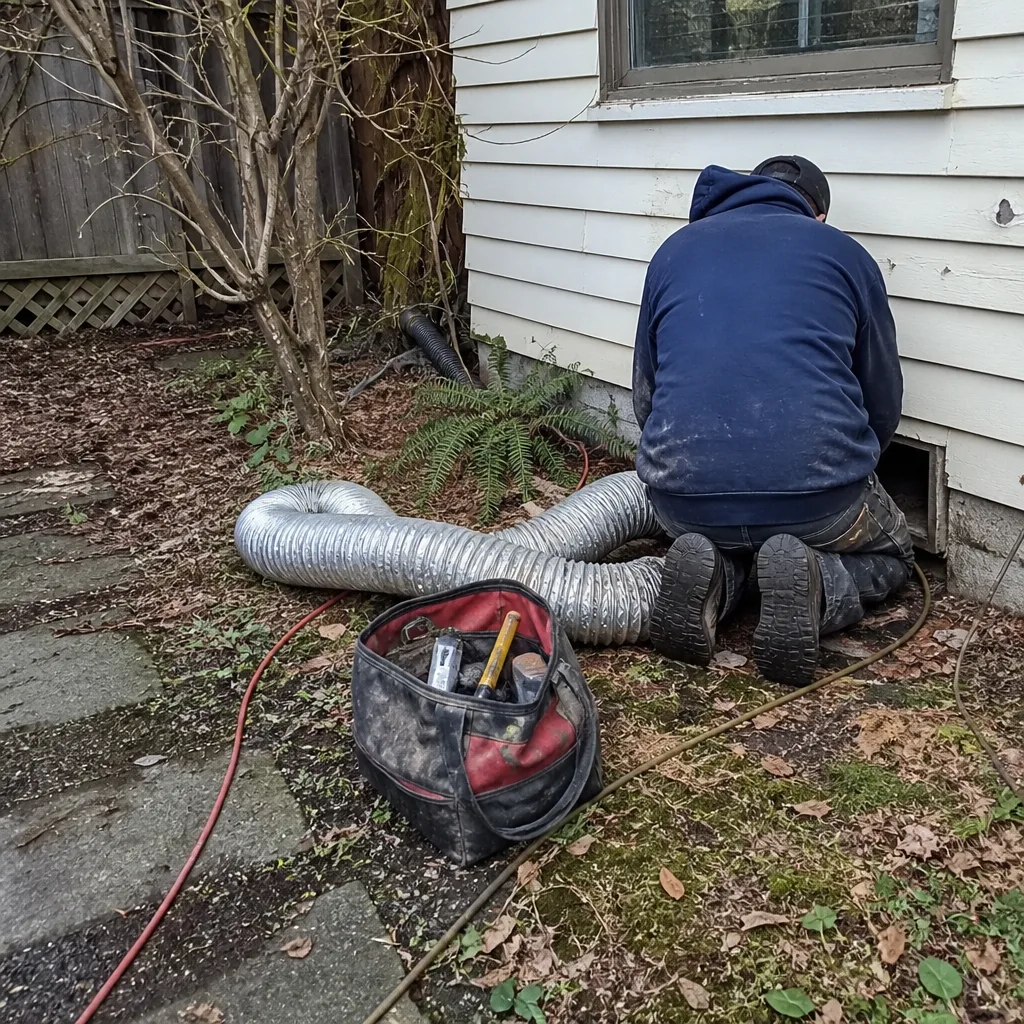 Before
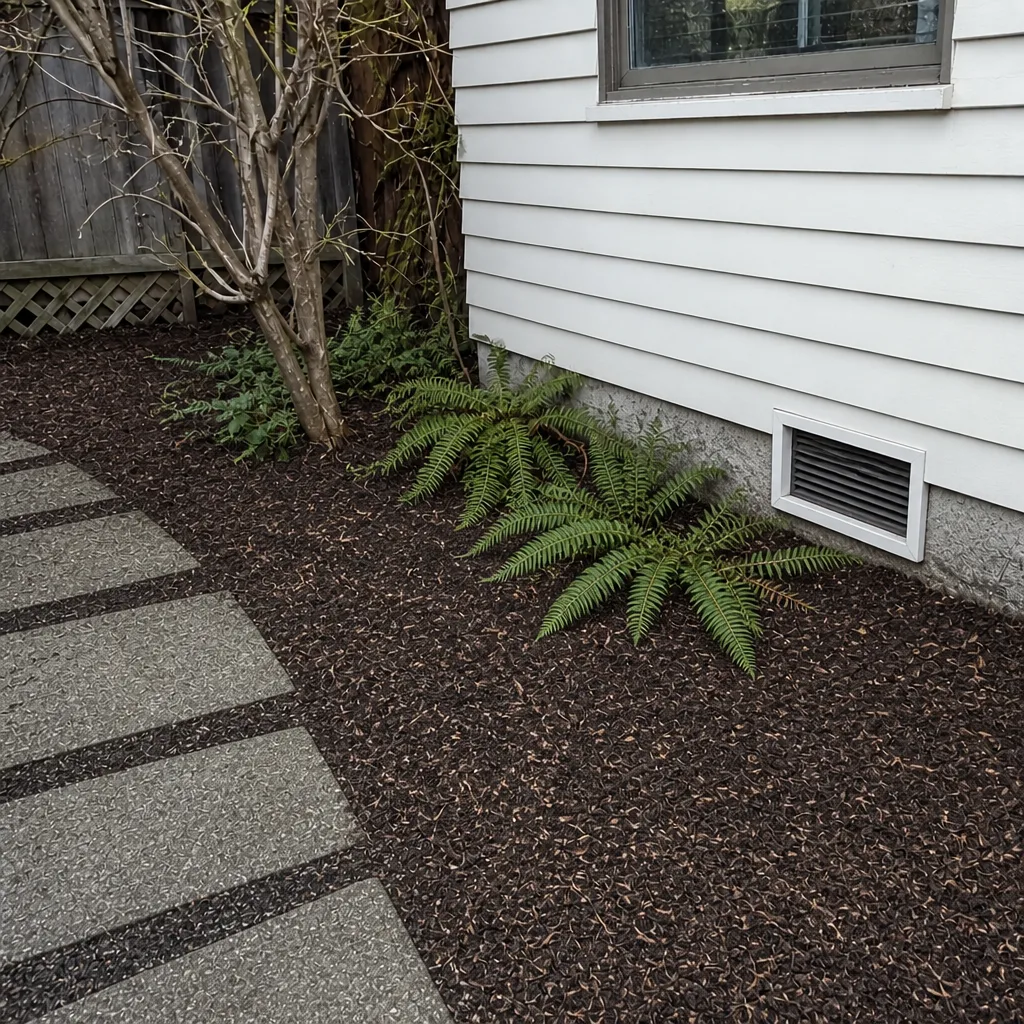 After
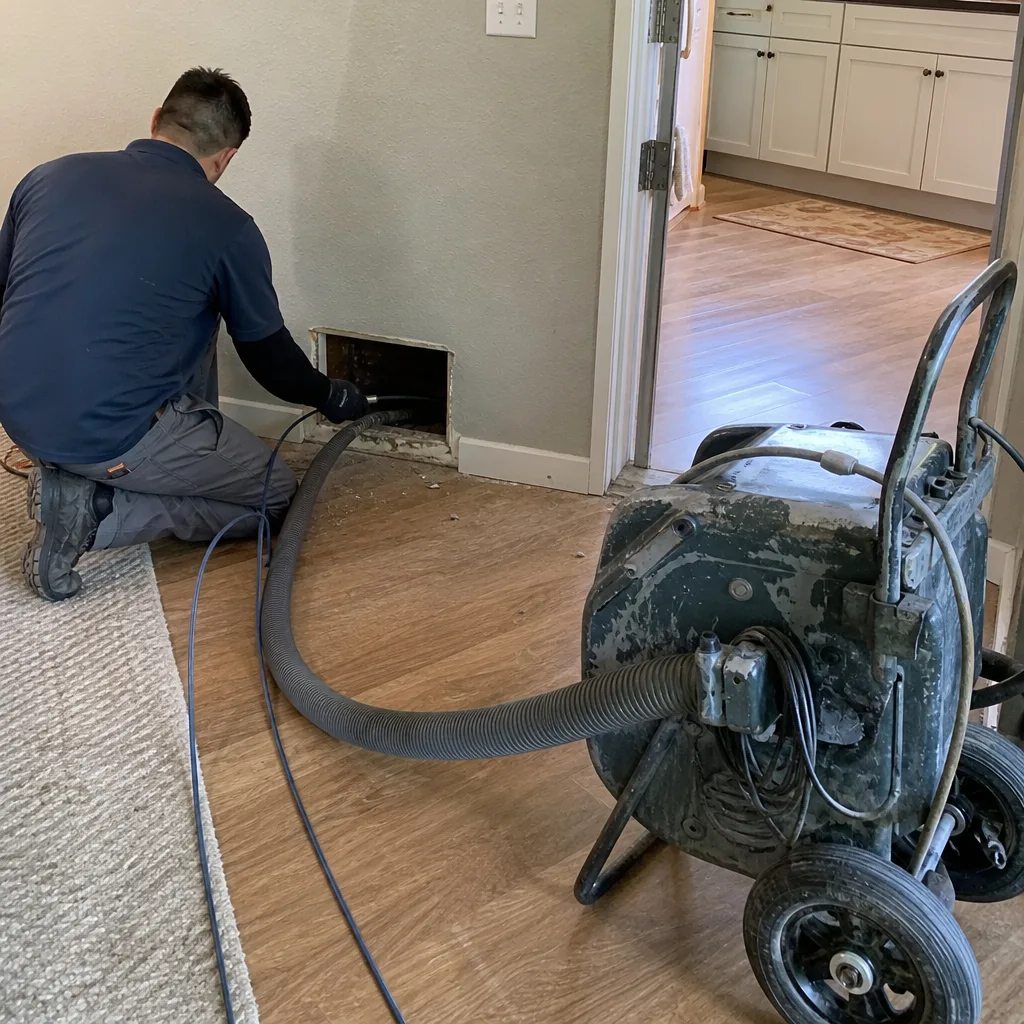 Before
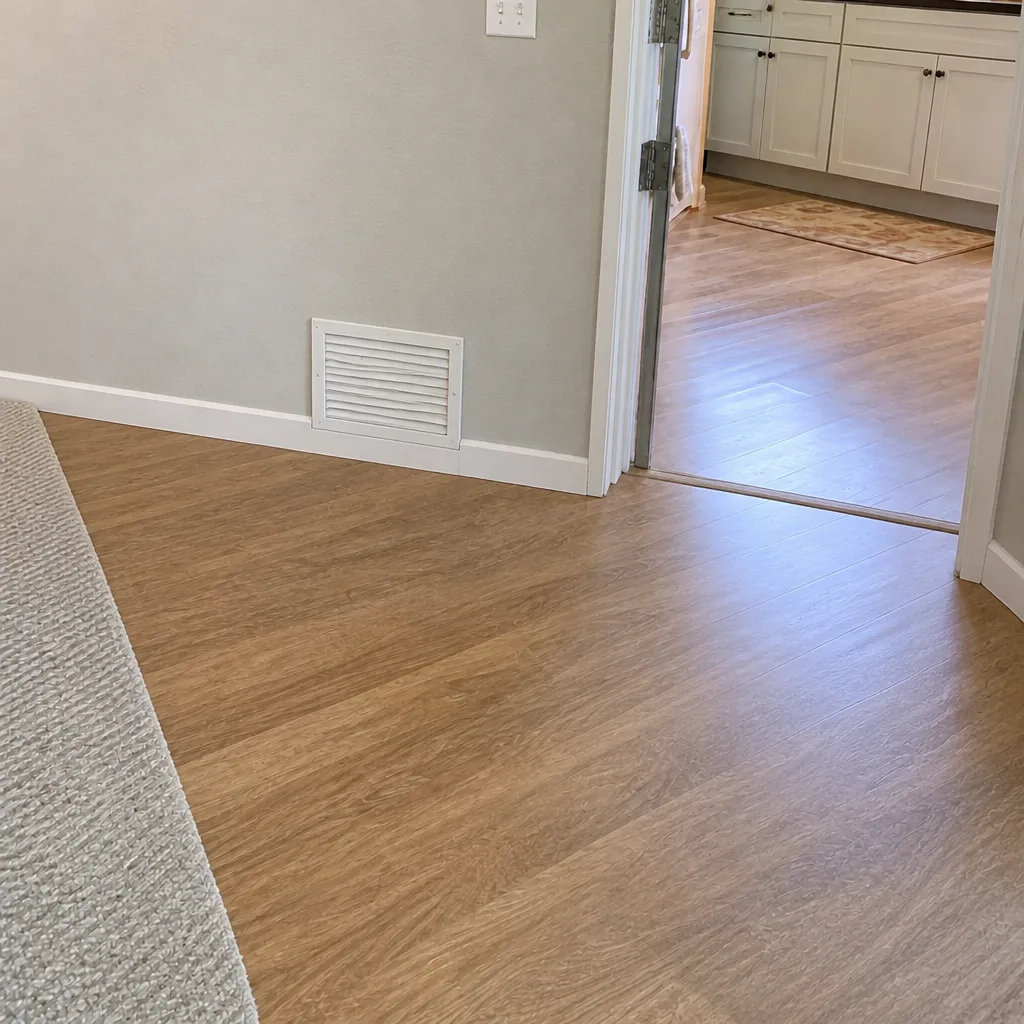 After
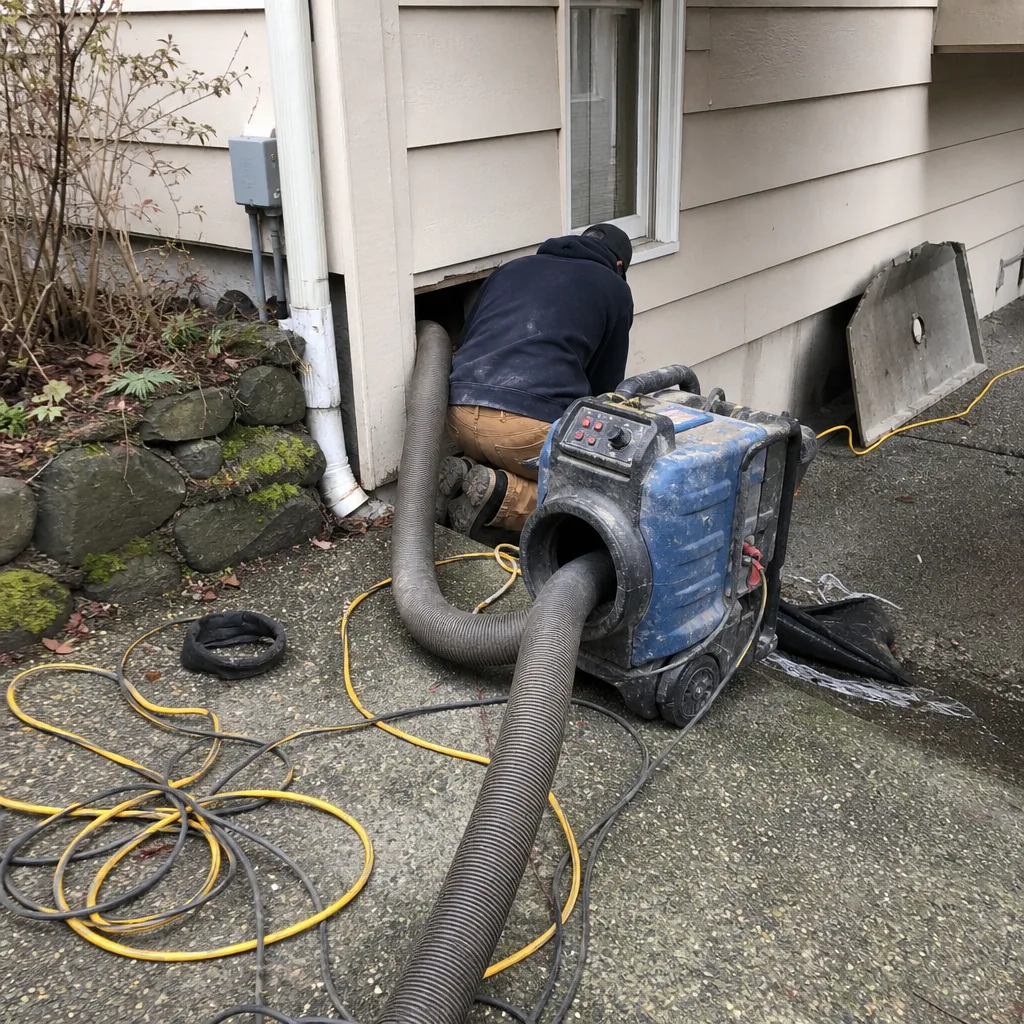 Before
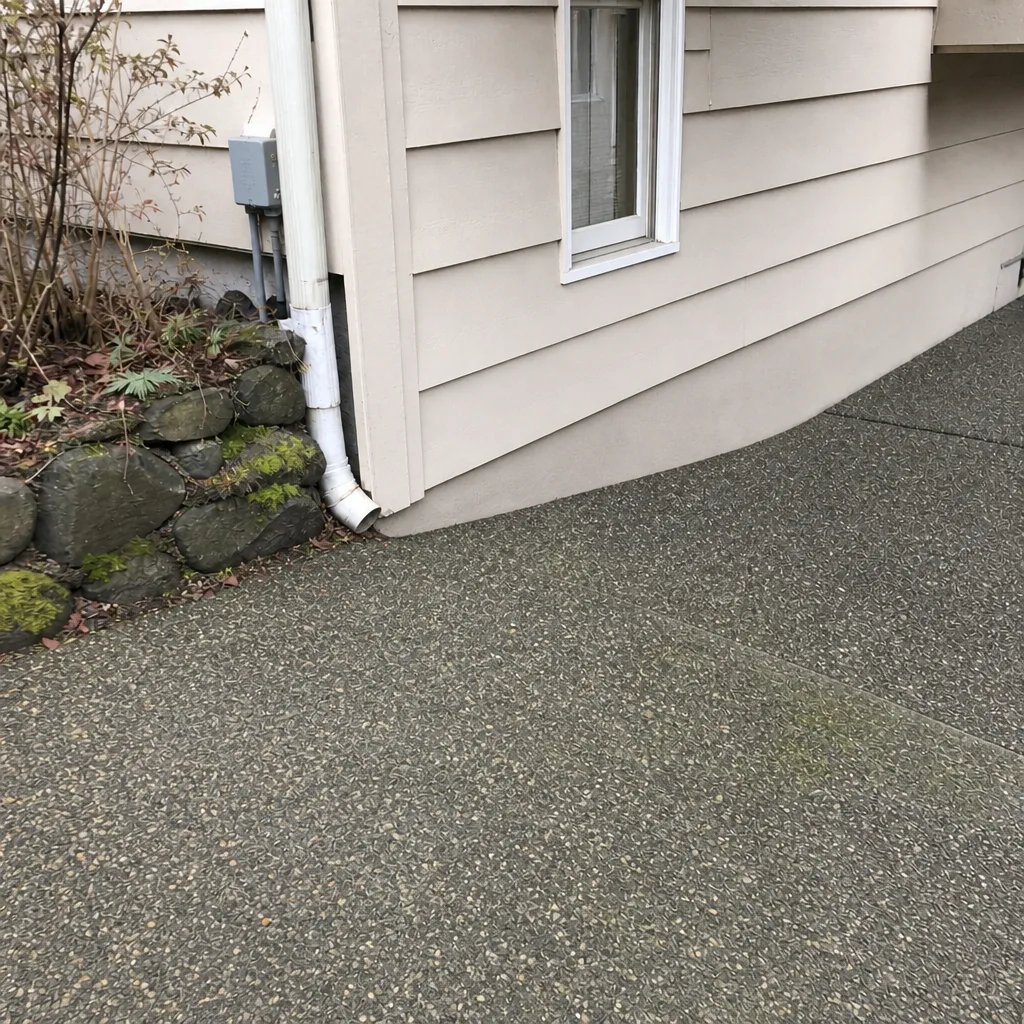 After
When to Call a Professional
Call a professional when you find the signals a visual check can’t resolve: a musty odor you can’t trace, visible growth or moisture on accessible duct surfaces, or a renovation that put fine dust into the system. Call if anyone in the home has respiratory concerns and the ducts haven’t been looked at. Call if your returns run through a crawlspace or attic and you can’t confirm they’re sealed. And call if you simply want the system inspected and get a clear answer on whether you need a maintenance clean or a remediation clean. Some of this is a visual check you can do yourself. The rest involves equipment, containment, and, in the case of gas appliances or electrical components near the air handler, a trained professional. We don’t recommend opening panels or working around wiring or gas piping on your own.
Air Duct Cleaning Ballard offers free estimates in Ballard. Call (844) 443-4768. We answer 24/7. Fast dispatch from 7am to 7pm, Sunday through Friday. Our technicians have up to 13 years of experience, and we bring professional-grade equipment, including Rotobrush and Nikro systems, to every job. The local professional we connect you with is licensed and insured as their state requires.
Frequently Asked Questions
Most Ballard homes land on a maintenance clean every few years, but the right interval depends on your risk factors. Pets, allergy sufferers in the home, older unsealed ductwork, crawlspace returns, and recent renovations all shorten that window. If you see moisture or smell mustiness, treat it as a remediation issue and call sooner rather than later. Call (844) 443-4768 for an exact quote. Estimates are free.
Yes. Ballard’s roughly 37 inches of annual rain and cool, damp air create condensation inside flex duct that drier climates don’t see. Damp duct surfaces give dust and organic debris the conditions mold needs, which is why an odor problem can develop here even when the dust amount looks normal. Containment and sanitizing matter more in this climate, and we use Abatement Technologies filtration to keep the work contained.
Pricing depends on the size and configuration of your system, the number of registers, and whether you need a maintenance or remediation clean. We don’t quote per vent, and we don’t lead with a teaser coupon. Instead, we give one flat price per system, agreed before work starts, with before-and-after photos of your own ducts. Call (844) 443-4768 for an exact quote. Estimates are free.
Low quotes usually come from a lighter method, a smaller crew, or charges that appear once the technician is on site. A quick pass with a shop vac doesn’t reset a system, especially one with loose joints and a crawlspace return. The price of a proper job is the price of the equipment, the containment, and the time it takes to do it correctly. We quote the whole job in writing before we start, so the number you agree to is the number you pay.
Ask for before-and-after photos of your own ducts and registers, and walk the system with the technician before and after. The registers, the air handler, and the return grilles should all look reset, not just the ones you can see from the hallway. If a repair or sealing was done, look at where it was done. We show photos of the specific system we worked on, not stock images.
Change the filter on the schedule your equipment calls for, check the return grilles once a month, and take a flashlight to a few supply registers to look for dust buildup or moisture. Keep the exterior dryer vent flap clear and lint-free. If you have a Honeywell or Aprilaire system, we can check it during a visit so the whole air path is covered. Call (844) 443-4768 to book a free estimate when it’s time.
The Bottom Line
The right duct cleaning schedule is your schedule, not a national average. Score your home on pets, allergies, duct age, crawlspace or attic returns, and recent renovations. Treat moisture and odor as remediation signals that shorten the timeline. Do the simple checks between visits, and bundle duct cleaning with HVAC cleaning, repair and sealing, and dryer vent work so one visit covers the system. In Ballard’s wet climate, a schedule built around your home’s real conditions will always beat a number pulled from a template. When you’re ready for a clear answer on what your system needs, call (844) 443-4768 for a free estimate.
Written by the team at Air Duct Cleaning Ballard.