
Last updated November 22, 2026
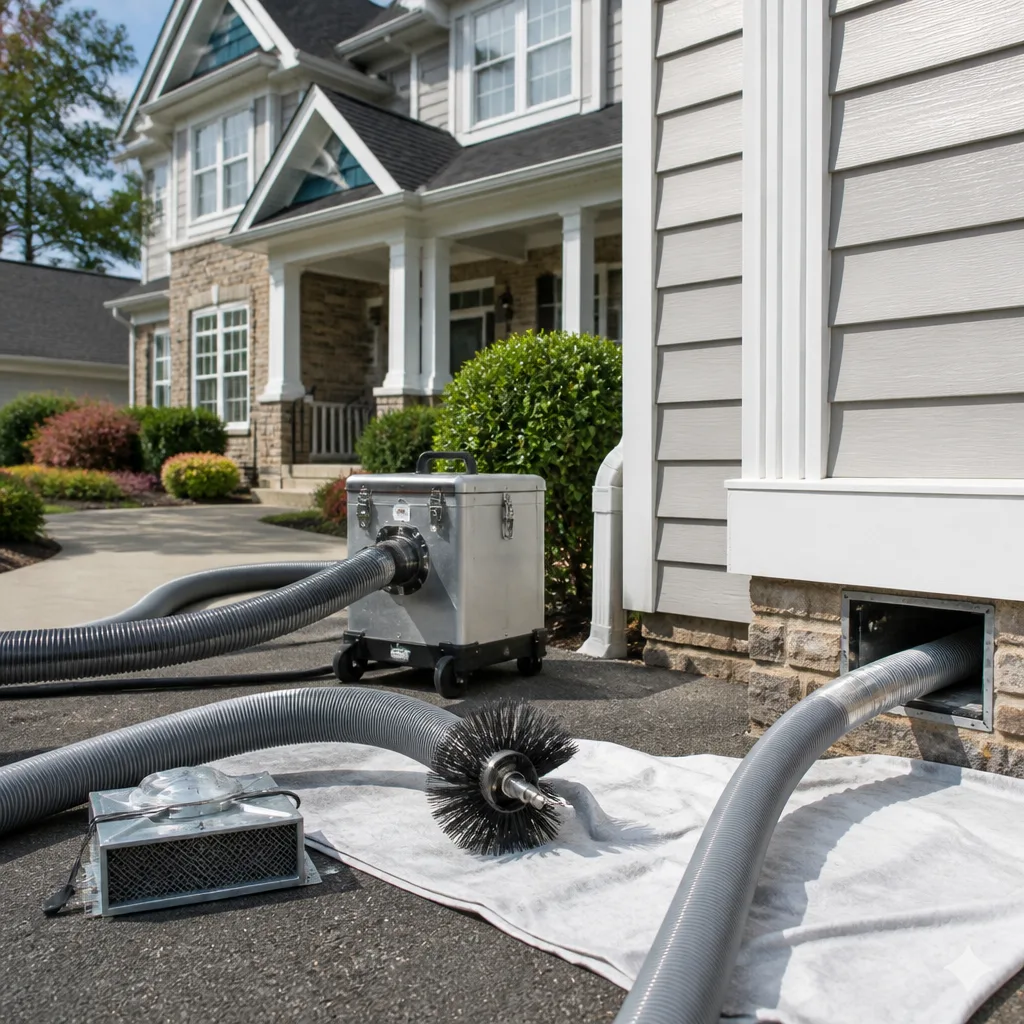 Whole-home duct cleaning
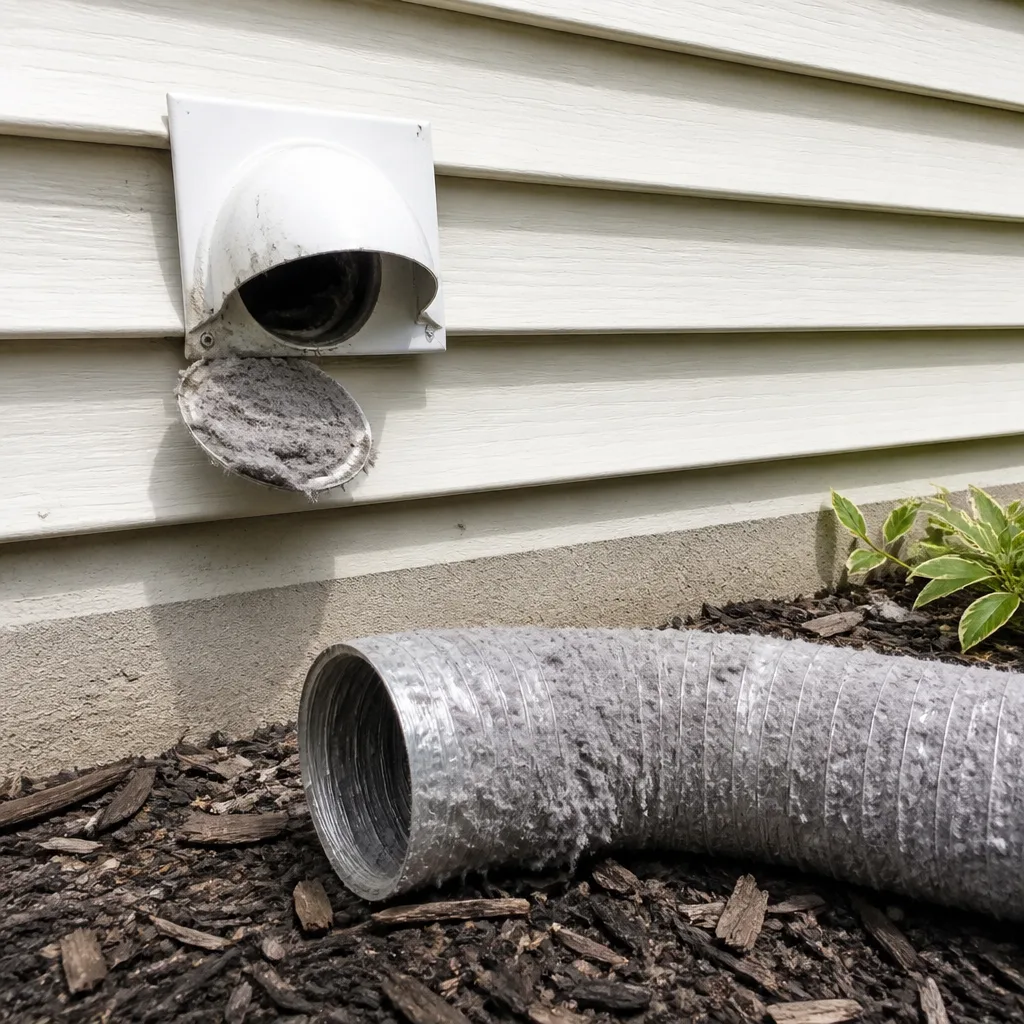 Dryer vent cleaning
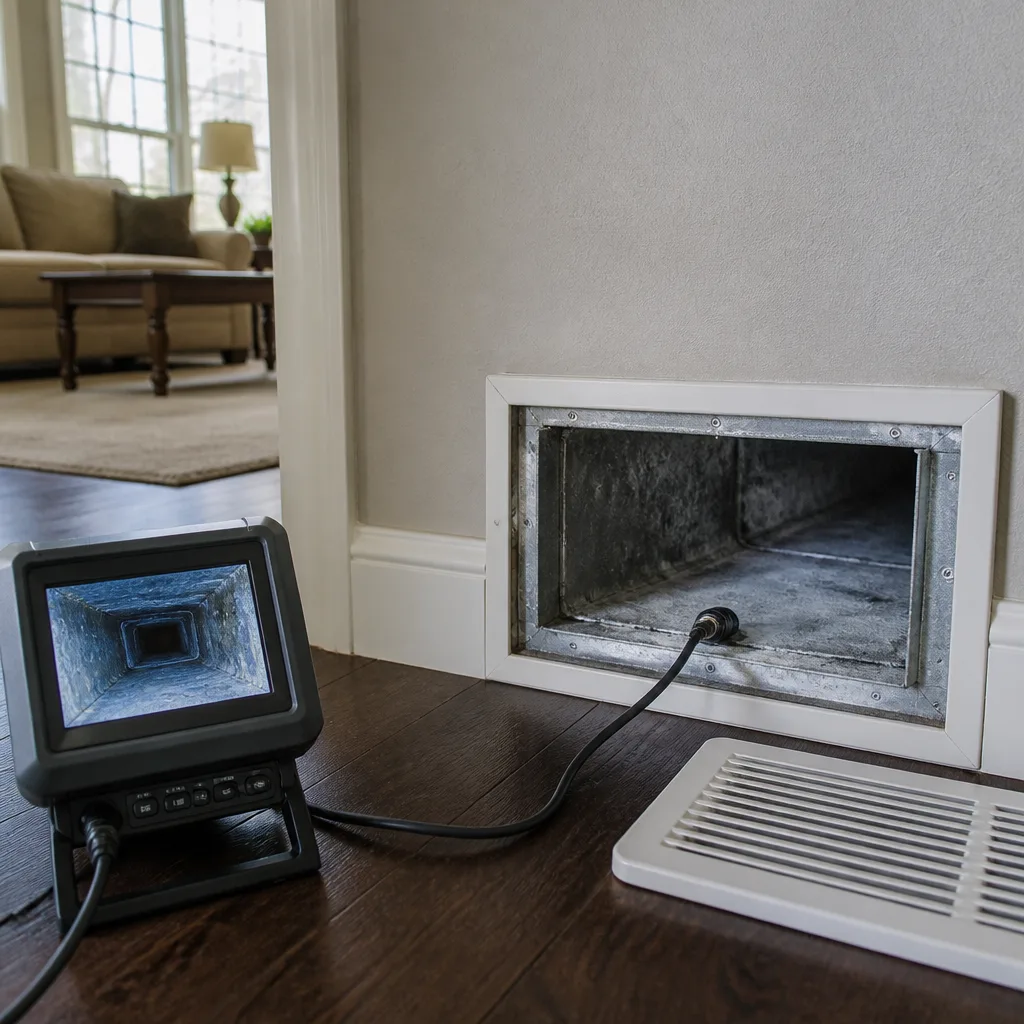 Camera inspection
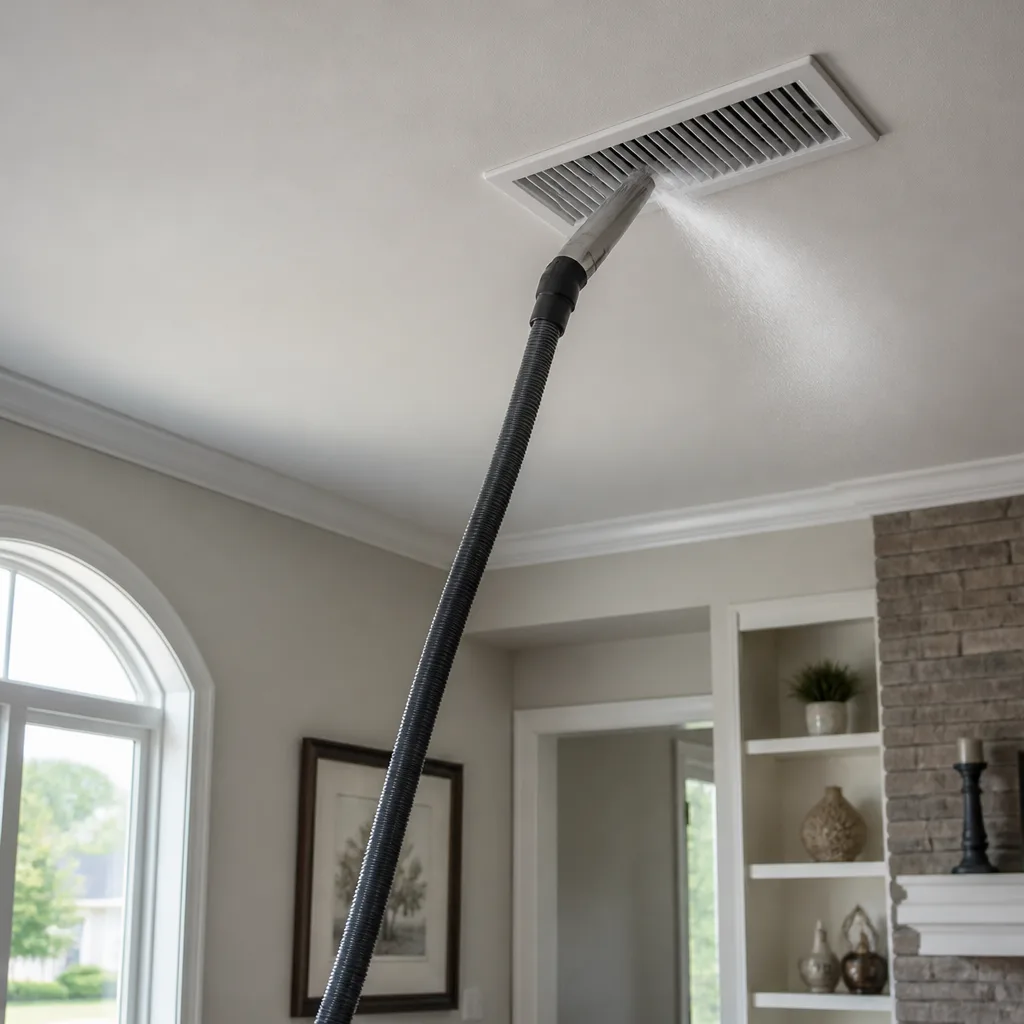 Sanitizing & deodorizing
Whole-system duct and dryer vent check with before-and-after photos - you see exactly what came out of your vents
That "$99 whole-house special" is a bait ad - the real number appears once they are in your hallway, or the "clean" is a shop-vac at the register. We photograph the inside of your ducts before and after instead.
DIY vs Professional Air Duct Cleaning: The Ballard Homeowner’s Decision Guide
A shop vac and a dryer vent brush can clean the first 18 inches of a supply register. A professional negative-pressure system pulling thousands of cubic feet per minute can clear the full duct run back to the air handler. Those are not the same job, and treating them as equivalent is exactly how ductwork stays dirty after a “cleaning.” We wrote this guide for Ballard homeowners who take indoor air quality seriously and want to know where the honest line sits between what you can do yourself and what genuinely requires professional equipment. You’ll learn what consumer tools can accomplish, what they can’t, and how to make the call for your own home.
Quick Answer
Most duct maintenance is worth doing yourself, but full-system duct cleaning almost never is. Register cleaning, filter changes, dryer vent clearing, and visual inspections with a phone camera are all legitimate DIY work. Cleaning the trunk lines, plenums, and air handler cabinet requires negative-pressure extraction and rotary contact equipment that no consumer tool can replicate. If the contamination is at the register, DIY may be enough. If it’s in the main trunk or the air handler, it’s a professional job.
Styles & brands we work with
- Whole-home duct cleaning
- Dryer vent cleaning
- Camera inspection
- Sanitizing & deodorizing
Table of Contents
- What Consumer-Grade Equipment Can Actually Do
- The Physics of Negative Pressure (and Why a Shop Vac Can’t Match It)
- DIY Tasks That Genuinely Work in a Ballard Home
- When a DIY Attempt Makes Professional Cleaning Harder
- How Ballard’s Housing Stock Changes the Calculus
- A Decision Framework for Your Home
- What Professional Equipment Actually Looks Like
- When to Call a Professional
What Consumer-Grade Equipment Can Actually Do
Start with the honest list, because it’s longer than most duct cleaning companies will admit. A shop vac, a dryer vent brush kit, a can of compressed air, and a phone with a camera can accomplish real work in a Ballard home. What they can’t do is clean a sealed duct system from the inside out.
Here’s what a shop vac and a brush kit are legitimately good for:
- Cleaning the visible interior of a supply or return register, including the grille face, the boot (the short angled section behind the register), and the first 12 to 18 inches of duct that the brush can reach
- Lifting loose dust, pet hair, and debris from register faces and grilles, which are the surfaces you actually see and touch
- Clearing a dryer vent run when the vent is short, straight, and accessible from both ends; a vent brush kit is purpose-built for this
- Vacuuming out a return air grille and the immediate filter housing area
- Pulling a phone camera on a flexible wand into a register to see what the duct looks like further in, which is genuinely illuminating in older Ballard homes
What those tools cannot do is generate the airflow volume required to move settled debris through a long horizontal duct run, and they cannot create the negative pressure inside the system that keeps dislodged debris from being pushed back into living spaces. A shop vac pulls air at the hose. A truck-mounted or high-capacity portable extraction system pulls the entire duct run into negative pressure, so debris lifts off the duct walls and travels to a HEPA filter instead of settling back down 20 feet away. That’s the difference that matters, and no consumer tool closes the gap.
The Physics of Negative Pressure (and Why a Shop Vac Can’t Match It)
Air duct cleaning isn’t primarily about suction at the register. It’s about creating a pressure differential across the entire duct system so that debris that has settled onto duct walls – sometimes over many years – breaks loose and travels to a collection point. That requires two things a consumer vacuum lacks: enough air volume, and a sealed system.
Here’s the sequence a professional system uses on every job:
- A negative-air machine (we use Nikro units) is connected at a strategic point, often the main trunk or a return, and pulls the entire duct network into negative pressure
- Rotary contact cleaning tools (we use Rotobrush systems) are fed through each register and run the length of the duct, physically dislodging debris from duct walls
- Agitation tools in the trunk lines and plenums lift settled material, which the negative pressure captures and pulls to the collection unit
- Abatement Technologies air filtration equipment is often run in the work area to maintain containment, so fine particulate doesn’t redistribute into the home
- The system runs until the return air is clean, then the technician re-inspects with a camera before closing out the job
The shop vac equivalent would be trying to run step two and step three without step one. Debris gets pushed into the duct run rather than out of it. That’s exactly the scenario we’re trying to avoid.
DIY Tasks That Genuinely Work in a Ballard Home
We’re not going to tell you to call a professional for every bit of dust. Here are the DIY tasks that are genuinely effective, worth doing, and don’t require expensive equipment:
Register and grille cleaning
Pull the register cover, vacuum the grille face, and wipe the boot with a damp cloth. Do this twice a year, or more often during allergy season. In Ballard’s older Craftsman and bungalow homes, register faces collect more dust than most people expect because the return air grille often sits in a hallway where pet hair and everyday debris settle.
Filter maintenance
This is the single highest-value thing you can do on your own. Change your filter on the schedule your system’s manufacturer recommends. If you have pets or allergies, change it more often. Most residential homes use a 1-inch filter that should be changed every 1 to 3 months; thicker media filters last longer. air duct cleaning can’t compensate for a filter you haven’t changed in a year, and we’ll always tell you that up front.
Dryer vent clearing
A dryer vent brush kit and a vacuum are capable tools for a short, straight dryer vent. Pull the vent off the back of the dryer, clear lint from the transition duct, brush out the wall run if it’s accessible from the exterior, and vacuum out the housing. That lint is a genuine fire hazard, not just an efficiency problem. dryer vent cleaning becomes a professional job when the vent run is long, has multiple elbows, or terminates in a spot you can’t safely reach from a ladder.
Visual inspection with a phone camera
Turn off the system, remove a register, and slide a phone on a flexible wand into the duct. You’ll see quickly whether the duct is lightly dusty (normal) or has visible buildup, debris, or pest sign (worth calling about). This ten-minute inspection is the single most useful DIY diagnostic a homeowner can do. Smartphones with a good flash do a surprising job. If you find something that concerns you, take photos and use them when you get estimates.
When a DIY Attempt Makes Professional Cleaning Harder
The DIY task that turns into a professional cleanup is more common than people expect. Here’s what happens when someone tries to clean a duct system themselves and it goes wrong.
- Pushing debris deeper into the trunk. A shop vac applied at a register pulls air short-distance, but debris that’s dislodged from the register boot can fall back into the horizontal run and settle in the trunk line. When a homeowner has done this before we arrive, we’re cleaning a system with debris artificially redistributed throughout the trunk, which is a longer, more involved job than an untouched system.
- Dislodging flex duct connections. Ballard’s homes frequently have flex duct runs in the attic and crawlspace (more on that below). A brush fed into a flex duct with too much pressure or the wrong tool can pull a taped connection loose. A loose flex duct connection leaks air into the attic or crawlspace instead of into your rooms, which wastes energy and pulls particulates into the system. We fix this kind of connection as part of duct repair and sealing, but it’s a call that wouldn’t have been necessary.
- Masking symptoms without fixing the cause. Vacuuming the registers makes the house smell cleaner temporarily while the contaminated trunk line and plenum are unchanged. The symptom returns in a couple of weeks, and now the homeowner has lost confidence in “duct cleaning” without ever having actually had a full-system job done.
- Doing damage to the air handler or coil. Opening the air handler cabinet to vacuum out the blower compartment is a step some homeowners try. It’s not worth it. The blower wheel, the evaporator coil, and any Honeywell or Aprilaire equipment in the cabinet are easy to damage, and in some systems opening the cabinet voids a warranty or disturb connections you’ll then need a technician to fix.
If a DIY attempt has already happened and something feels off – airflow dropped, a new whistling sound at a register, a connection pulled loose – it’s genuinely worth getting a technician out to look. That kind of situation is exactly what HVAC cleaning and inspection exist to handle.
How Ballard’s Housing Stock Changes the Calculus
Ballard’s housing stock is a major part of why the DIY line falls where it does here. Ballard has a remarkable concentration of Craftsman bungalows, Foursquares, and post-war ranches, many of them with mechanical systems that have been partially updated over decades as owners added forced-air heating, then central air, then a heat pump. What that usually means for ductwork:
- Original galvanized sheet metal trunk lines in the older homes, which are durable but carry years of dust along the seams and joints. The seams are riveted or folded, and they collect debris that a shop vac can’t reach without disrupting the duct.
- Inaccessible crawlspace runs. Many Ballard homes have ductwork running through crawlspaces that range from awkward to genuinely difficult to access. That’s not a limitation a homeowner can work around with a shop vac hose; it’s a reason to use professional extraction equipment with a longer reach and adequate suction over distance.
- Attic flex duct. Post-war and 1980s-era additions often used flexible insulated duct in the attic. Flex duct is more fragile than sheet metal and more prone to tearing, disconnecting at taped joints, and sagging where it creates a low spot that traps debris. Cleaning flex duct properly requires lower-pressure tools and more inspection than rigid metal.
- Mixed-era systems. A typical Ballard home might have original metal trunk with a flex duct branch to a relocated register, or a heat pump installed in the last decade feeding into a 60-year-old trunk line. These hybrid systems are exactly the ones where the decision framework below matters most.
If your home was built before 1960 and has never had a full-system duct cleaning, the contamination is likely in the trunk, the plenums, and the boot of every register, not in the visible 18 inches. That’s the scenario where professional equipment is the only practical option, not because the homeowner can’t reach it, but because the contamination is in the places a consumer tool physically can’t address.
A Decision Framework for Your Home
Use this framework to decide whether DIY is enough or a professional job makes sense. It’s a diagnostic, not a sales pitch.
Step 1: Locate the contamination
Do the phone-camera inspection described earlier. Look at the register, the boot, and a section further into the duct.
- Dust and light debris on the register face and the first few inches of duct: DIY is likely sufficient. Clean the register, keep the filter fresh, and you’re done.
- Visible buildup deeper in the duct, or obvious dust trails leading from the register into the run: the contamination is not at the register. It’s in the run, and that’s a professional question.
Step 2: Confirm the location of the main trunk and plenums
If the contamination you see is in the trunk line, plenums, or anywhere near the air handler cabinet, DIY isn’t the right tool, regardless of how confident you are. The trunk is the main artery of the system, and dislodging debris there without extraction is how ductwork gets worse, not better.
Step 3: Check the dryer vent anatomy
- Short, straight, accessible from both ends: DIY
- Long, elbows, or terminating where you can’t safely reach a ladder: professional
Step 4: Check for a known cause
- Recent renovation, water damage, pest activity, or a known duct leak: professional assessment, because cleaning alone doesn’t fix the cause. Duct repair and sealing, and in some cases air quality sanitizing, are the more appropriate next step.
- Allergy symptoms or respiratory concerns in the household: professional assessment, because the goal is indoor air quality, not just dust removal.
The pattern is consistent: DIY works when the contamination is at the register. Professionals are needed when it’s in the trunk, the plenums, the air handler cabinet, or when a systemic cause is behind the dust.
What Professional Equipment Actually Looks Like
Because the DIY line is drawn by equipment capability, it’s worth knowing what the professional side actually has. We use the same class of equipment specified by commercial HVAC contractors, not consumer-grade alternatives.
- Rotobrush contact cleaning systems for rotary brush and air-whipping tools fed through every register and run
- Nikro negative-air machines to pull the duct network into negative pressure and capture dislodged debris at a HEPA filter
- Abatement Technologies air filtration equipment for containment during service, a commercial-standard practice that keeps fine particulate out of the living space
- Honeywell and Aprilaire familiarity for the filtration and air-quality equipment already installed in many Ballard homes, so we can work with your existing system rather than bypass it
Our technicians have up to 13 years of experience with this equipment class. That matters for two reasons: knowing how to run a Rotobrush through a fragile flex duct without tearing it, and knowing when a duct needs repair and sealing before cleaning is even worth doing. We fix what we find. If your system has a leak between the trunk and a register, sealing it addresses the root cause of the dust accumulating in your home more effectively than cleaning alone.
Beyond cleaning, professional services cover the full mechanical system: dryer vent cleaning, HVAC cleaning of the air handler and coil, duct repair and sealing, and air quality sanitizing. That combination matters because a cleaning-only visit on a system with a leak or a poorly seated connection fixes the visible symptom and leaves the cause. If your home has filtration equipment from Honeywell, Aprilaire, or Guardsman installed, we can also service it as part of the visit, so a system that was installed with a good filter is actually running on a clean one.
Common Mistakes to Avoid
- Assuming a shop vac does what an extraction system does. A shop vac pulls air at the hose, not across the entire duct network, so debris it dislodges tends to settle into the run rather than reach the collection point. Skip it for anything beyond the register boot.
- Cleaning registers only and calling it done. Register cleaning is genuine work and worth doing, but it doesn’t touch the trunk line and plenum, which is where most contamination lives in older Ballard homes. You’ll get a cleaner grille and the same air quality.
- Forcing a brush into flex duct. Flex duct in Ballard attics is often older and less resilient than it looks. A brush with too much force can pull a taped connection or tear the inner liner, which then leaks hot or cold air into the attic.
- Opening the air handler cabinet. Vacuuming the blower compartment is not a DIY step. The blower wheel and evaporator coil are easy to damage, and opening the cabinet can void a manufacturer warranty on newer systems.
- Skipping the filter change while focusing on duct cleaning. A dirty filter limits airflow, puts extra strain on the blower, and recontaminates clean ducts within weeks. Filter discipline is the foundation, not the afterthought.
- Hiring on the low-bid coupon without asking what “cleaning” includes. A coupon price that covers only register vacuuming is not a full-system job. Ask specifically what portion of the system is cleaned, and whether negative pressure and contact cleaning are part of the visit.
- Ignoring a known cause. Renovation dust, water damage, or pest activity require more than cleaning. Skipping the repair-and-sealing step leaves a cause in place that recontaminates the system no matter how well it was cleaned.
How Much Does Professional Duct Cleaning Cost, and Why Do Quotes Vary So Much?
There is no single price that applies to every home, because the cost depends on the number of systems, the length and type of duct runs, and whether repair and sealing or sanitizing work is included. The honest answer is that a written estimate sets the price per job, and anyone quoting a specific number over the phone without seeing your system is guessing. On the phone or in the estimate, it’s worth asking four questions:
- What portion of the system is cleaned? “Register-only” and “full-system including trunk and plenums” are different jobs at different prices.
- Is negative-pressure extraction part of the job, and what equipment is used? Rotobrush and Nikro are the names to look for.
- Is containment used? Abatement Technologies or an equivalent air filtration unit keeps fine particulate out of your living spaces.
- Is there a separate charge for duct repair and sealing if issues are found, and is that included in the estimate or added later?
Why some quotes are much lower than others comes down to what’s being done. A coupon-price cleaning that only vacuums registers and skips negative pressure will cost less than a full-system job, and it will also leave the trunk, plenums, and air handler largely untouched. That’s not a bargain; it’s a different, smaller service under the same name.
See the difference
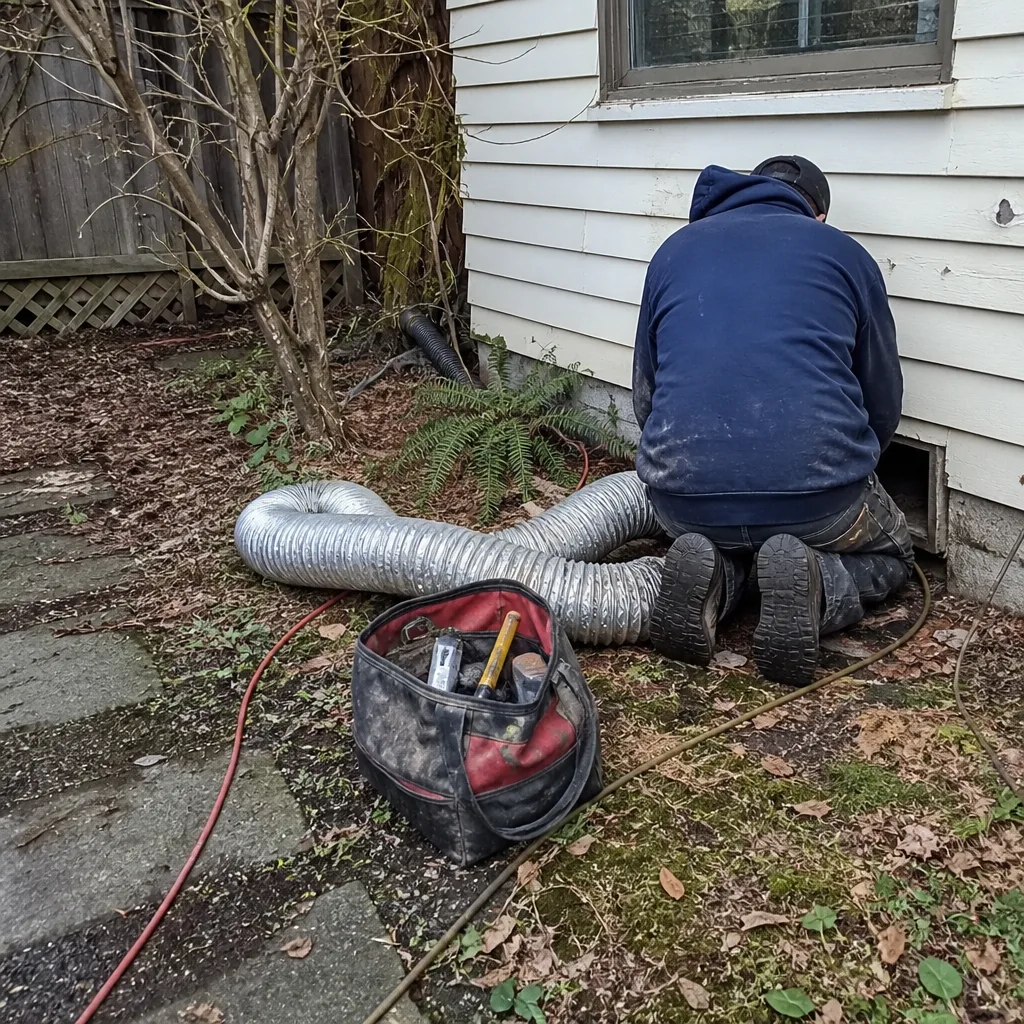 Before
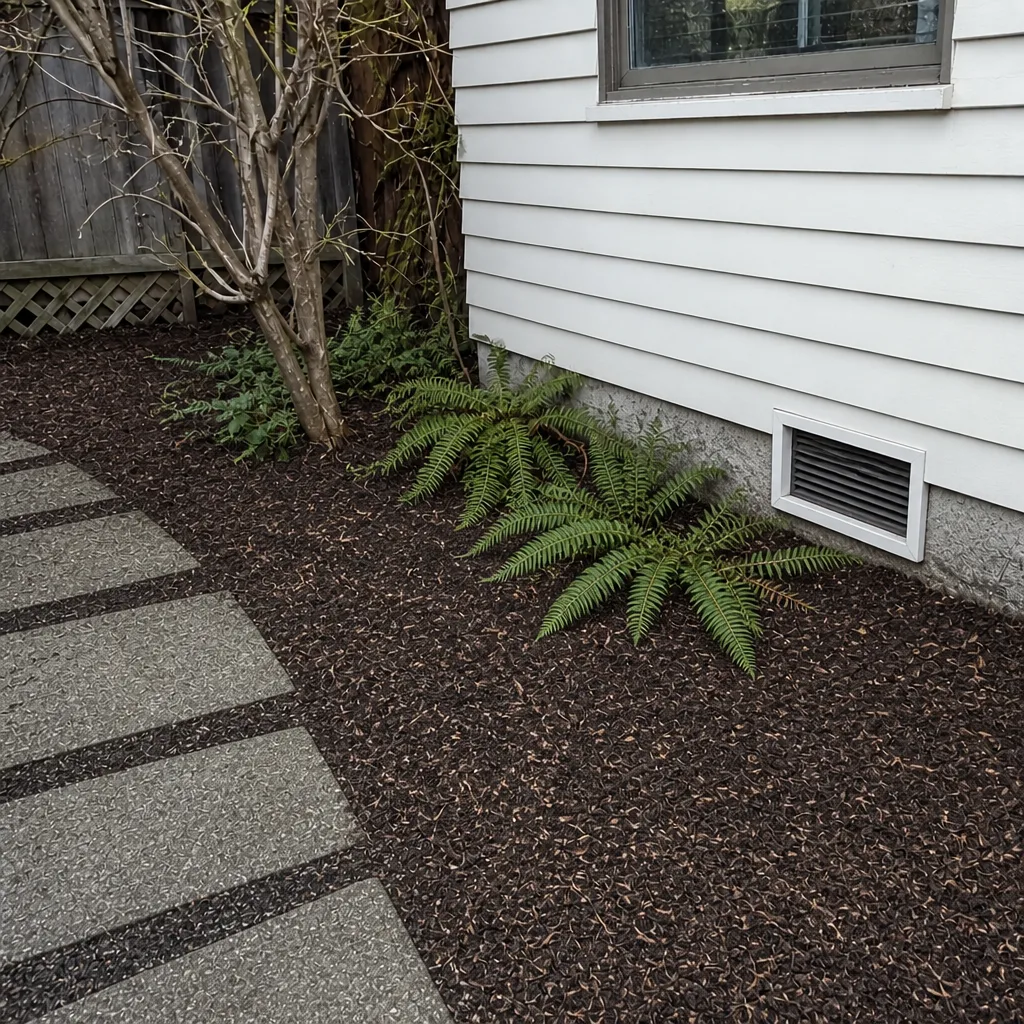 After
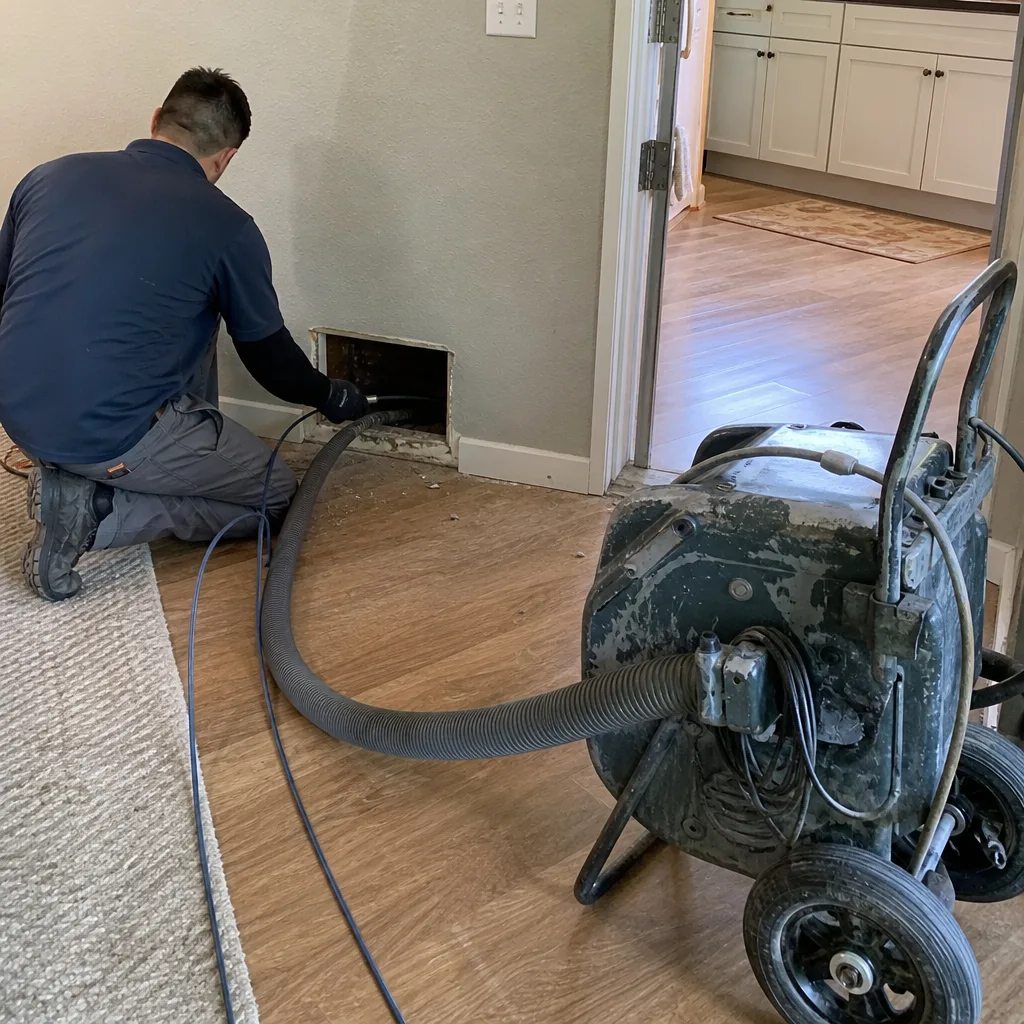 Before
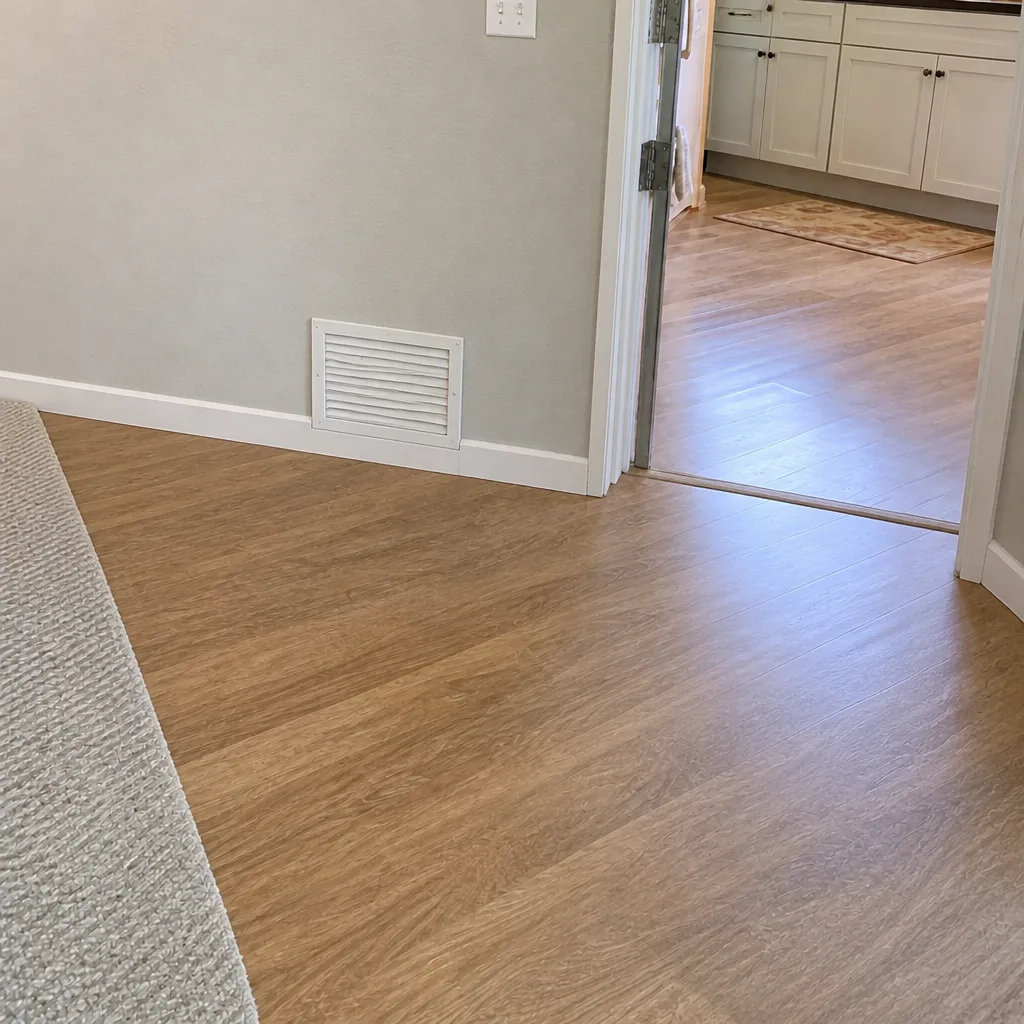 After
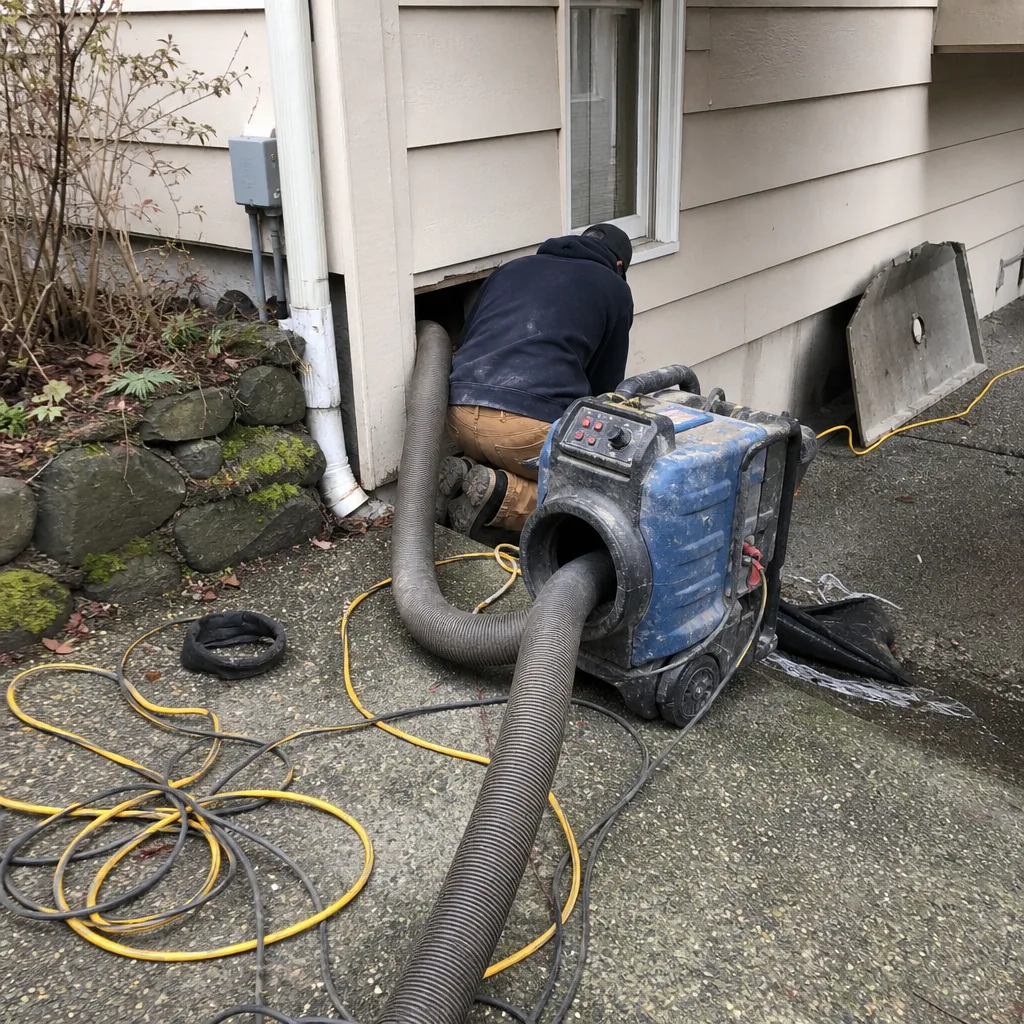 Before
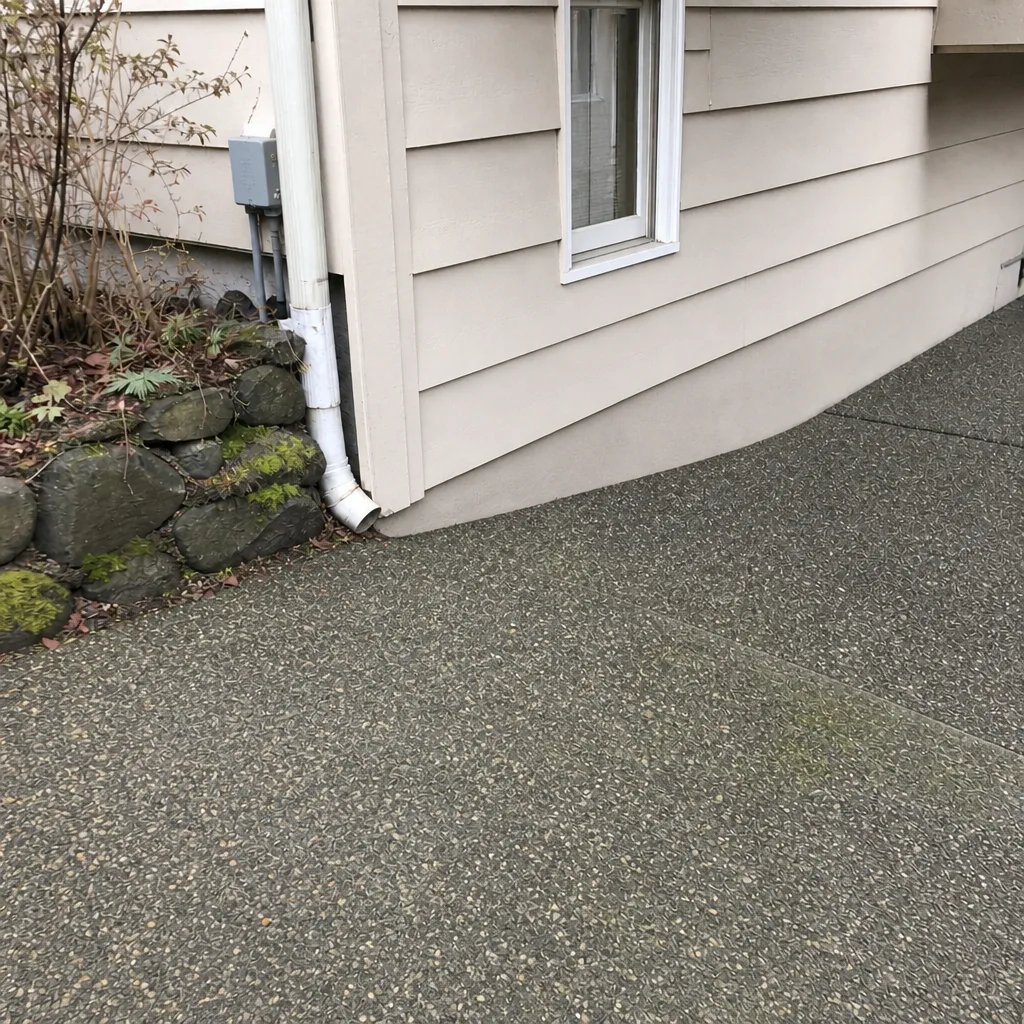 After
How Often Does It Really Need Doing?
The honest answer is: less often than a lot of duct cleaning marketing suggests, and more often than never. Most homes don’t need annual cleaning. A reasonable rhythm for a Ballard home:
- Filters: every 1 to 3 months for 1-inch media, longer for thicker filters, more often with pets or allergies
- Register and grille cleaning: twice a year, or seasonally for allergy sufferers
- Dryer vent clearing: at least annually, and after any lint-heavy periods
- Full-system cleaning: if there’s a specific reason (recent renovation, water damage, visible buildup, moving into a home of unknown history), or every several years depending on the home and household
- Visual inspection with a phone camera: on the same walk-through you use to check filters, every few months
Homes with pets, recent renovation work, or residents with allergies need attention more often. A home with a good filter, no pets, and no recent renovation can reasonably go several years between full-system cleanings.
When to Call a Professional
Call a professional when the contamination is in the trunk line, plenums, or air handler cabinet; when a recent renovation, water damage, pest activity, or visible duct leak suggests a cause that cleaning alone won’t fix; when your dryer vent run is long, elbow-heavy, or hard to reach; when allergy or respiratory symptoms are the reason you’re looking into duct cleaning; and when a DIY attempt has left you with a whistle, a loose connection, or reduced airflow. Professional equipment and the ability to repair and seal on the spot are what make that call worth it. We answer 24/7 and dispatch from 7am to 7pm, Sunday through Friday. Air Duct Cleaning Ballard offers free estimates in Ballard. Call (844) 443-4768.
Frequently Asked Questions
You can clean the registers, grille faces, and the first 12 to 18 inches of each duct; that’s genuine DIY work worth doing. You cannot clean the trunk lines, plenums, or air handler cabinet with a shop vac, because the tool can’t generate the airflow volume or negative pressure required to lift settled debris and carry it out of the system. Call (844) 443-4768 for an exact quote on the professional step, and estimates are free.
There’s no single price, because it depends on the number of systems, duct length, duct type (metal trunk vs flex branches), and whether repair and sealing or sanitizing are included. The written estimate sets the final price, and it’s worth asking specifically what’s cleaned and what equipment is used. Call (844) 443-4768 for an exact quote; estimates are free.
Because they’re often a smaller job under the same name. A quote that covers register vacuuming only, without negative-pressure extraction or contact cleaning of the trunk and plenums, is cheaper because less of the system is cleaned. Ask what portion of the system the price includes before you compare. Call (844) 443-4768 for a written estimate that spells out the scope.
Ask for before-and-after photos of your own ducts, taken during the visit, and a walkthrough with the technician before they leave. A live-service job also includes camera inspection so you can see the trunk and register runs. If a company can’t provide that, that’s your answer. Call (844) 443-4768 to schedule a visit with photos included.
Yes, meaningfully. Older Ballard homes typically have original galvanized sheet metal trunk lines with decades of settled debris at the seams, plus attic and crawlspace duct runs that are harder to reach and often flex duct that’s been added over time. The DIY line shifts further toward professional on older homes because the contamination sits deeper and the system is more fragile to work on. Call (844) 443-4768 for a free estimate.
Yes, which is why equipment and containment matter. A cleaning that dislodges debris without extracting it in negative pressure can leave particulate airborne or settle it back into the living space. Professional equipment (Rotobrush, Nikro, and Abatement Technologies containment) is what keeps the work controlled. If allergies are why you’re looking into this, ask about those specifics. Call (844) 443-4768 to talk through your situation.
The Bottom Line
Some duct maintenance is genuinely DIY: register cleaning, filter changes, dryer vent clearing on a short straight run, and visual inspection with a phone camera. Some of it looks DIY but isn’t: cleaning the trunk, plenums, and air handler, which requires negative-pressure extraction and rotary contact tools. In Ballard’s older housing stock, original metal trunk lines, crawlspace and attic duct runs, and mixed-era systems push more of the work toward the professional side. Use the decision framework: if contamination is at the register, DIY is fine. If it’s in the trunk, the plenums, or the air handler cabinet, it’s a professional job. We fix what we find, and we’ll tell you honestly which one you’re looking at.
If you’d like a straight answer on your own home, Air Duct Cleaning Ballard offers free estimates. Call (844) 443-4768. We answer 24/7. Fast dispatch from 7am to 7pm, Sunday through Friday.
Written by the team at Air Duct Cleaning Ballard.