
Last updated November 22, 2026
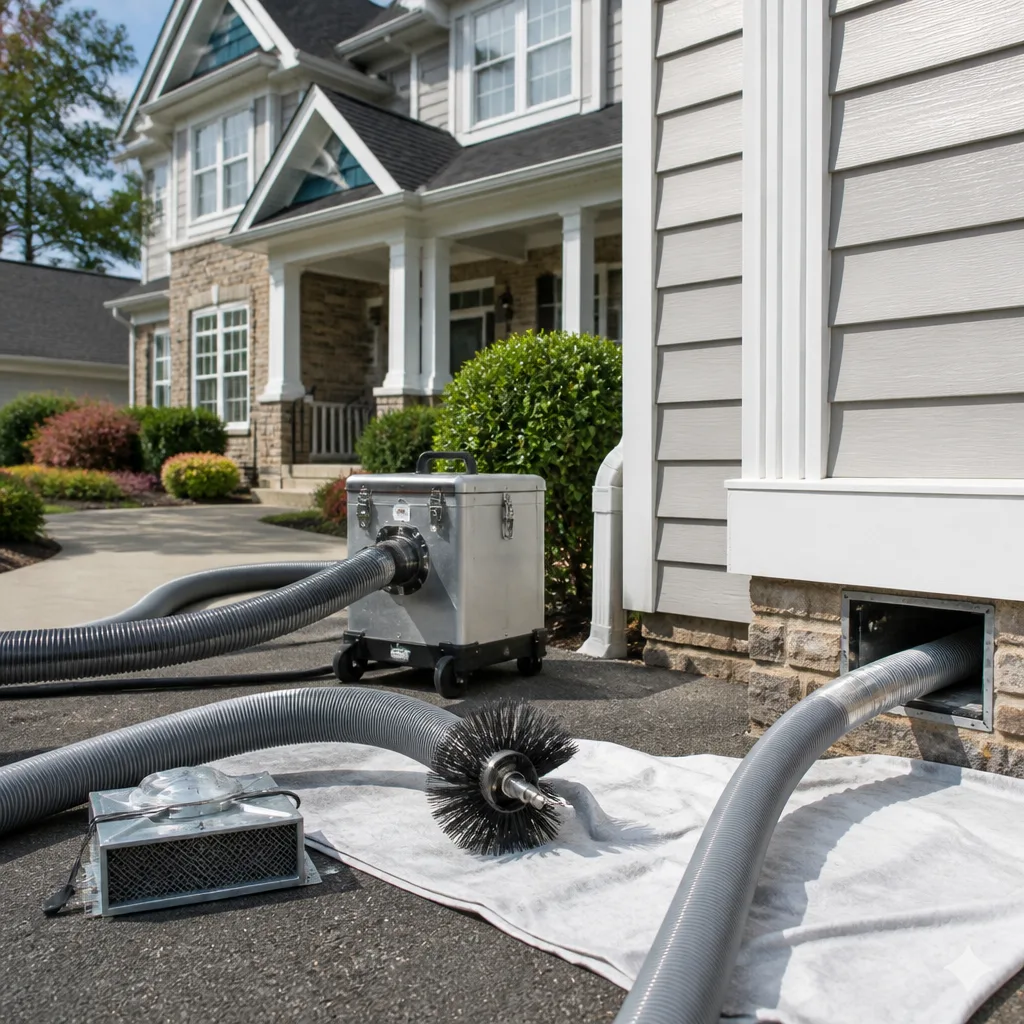 Whole-home duct cleaning
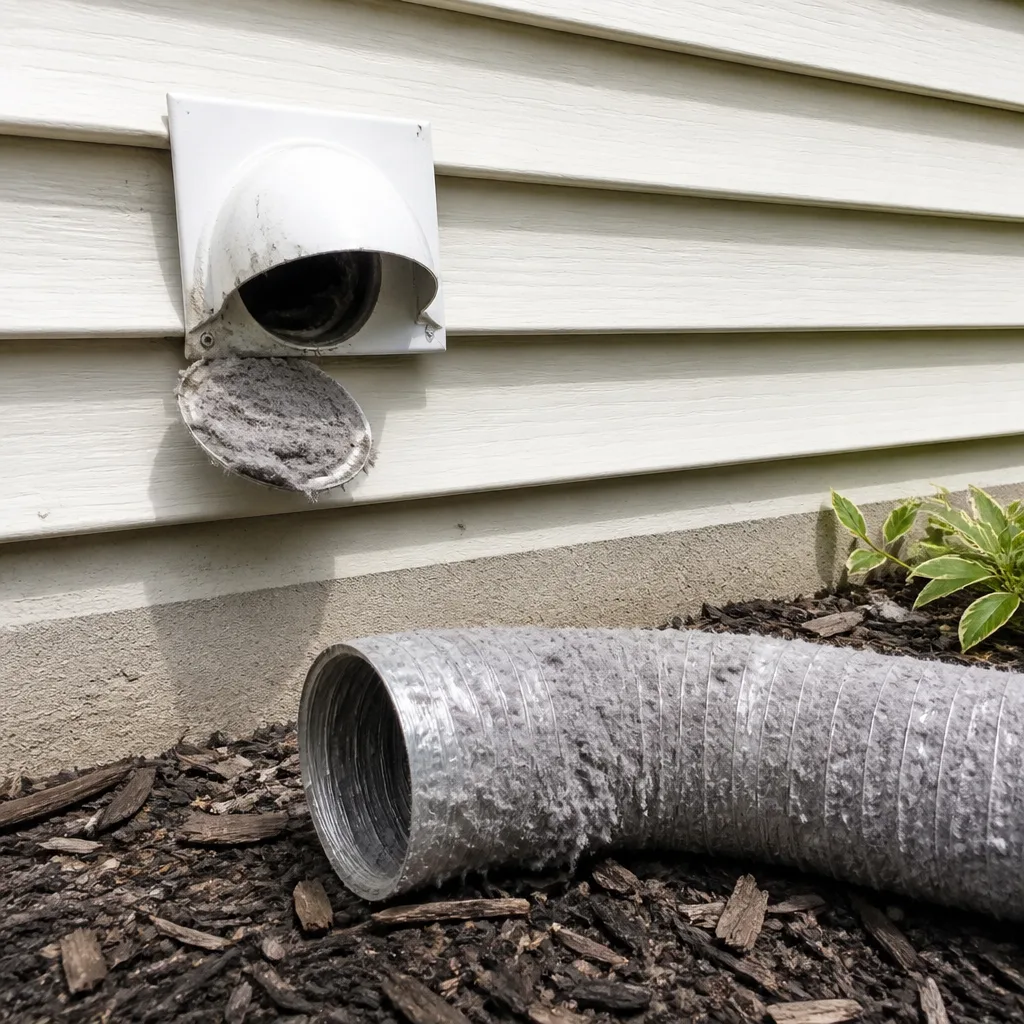 Dryer vent cleaning
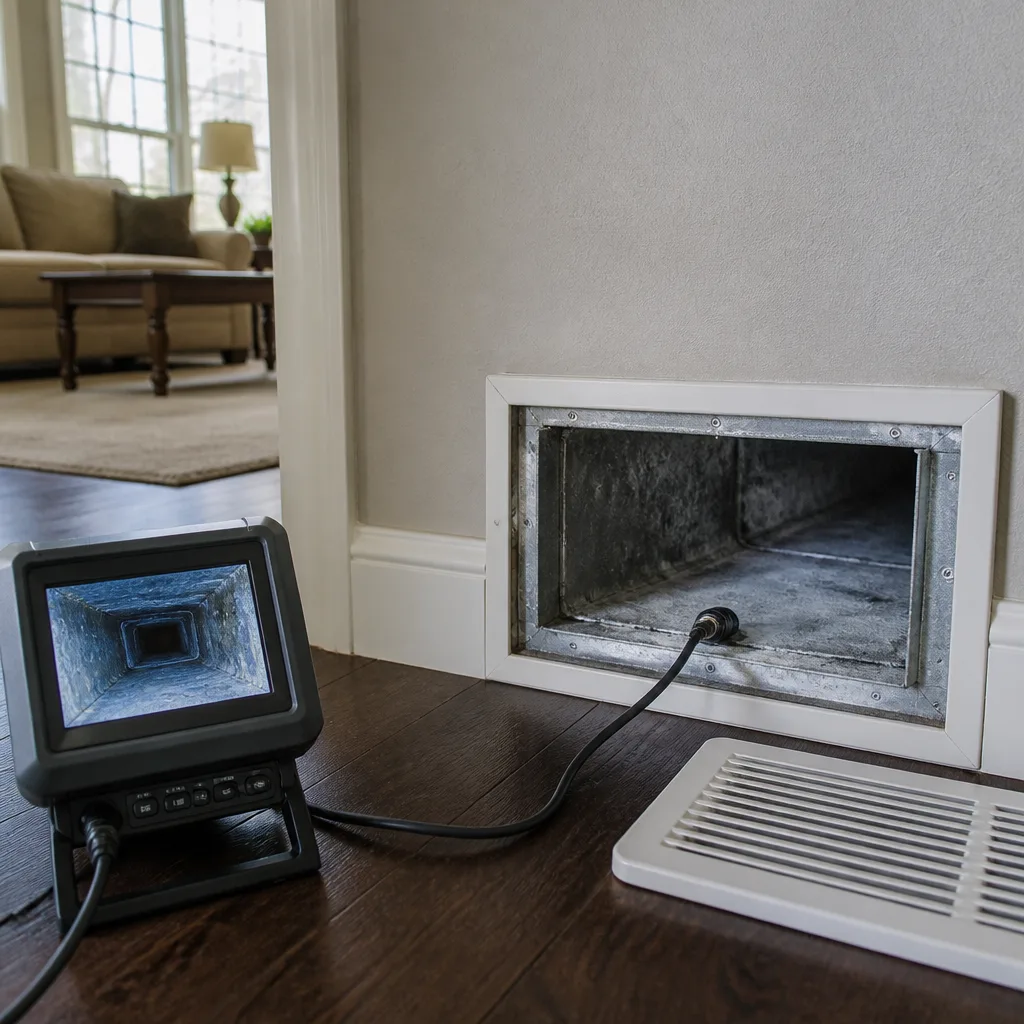 Camera inspection
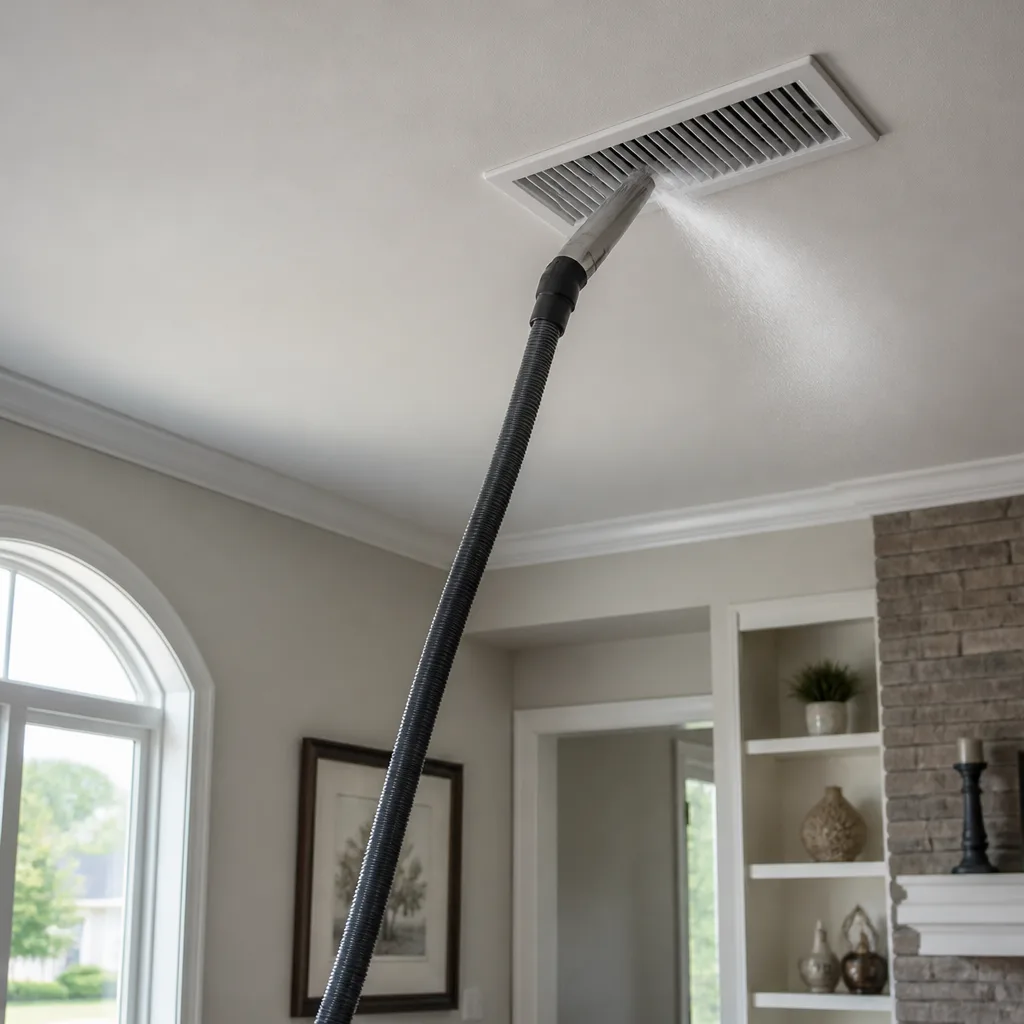 Sanitizing & deodorizing
Whole-system duct and dryer vent check with before-and-after photos - you see exactly what came out of your vents
That "$99 whole-house special" is a bait ad - the real number appears once they are in your hallway, or the "clean" is a shop-vac at the register. We photograph the inside of your ducts before and after instead.
Air Duct Cleaning Permits, Codes & Inspections in Ballard, WA: What You Need to Know
No permit is needed to clean your ducts. That part is simple, and we’ll say it plainly up front. But in Ballard, the visit rarely stops at cleaning. A technician crawling through a Ballard crawlspace or a tight utility closet often finds a disconnected flex run, a crushed trunk line, or a joint held together with failing tape. The moment someone recommends sealing that breach or replacing a duct section, the job shifts from maintenance into regulated mechanical work, and that’s where homeowners, and sometimes the contractors themselves, lose track of what Washington’s mechanical code and Seattle’s local amendments actually require. This guide draws that line clearly, so you know which work needs a permit, which doesn’t, what to document either way, and how a code inspection differs from an indoor air quality assessment.
Quick Answer
Cleaning air ducts does not require a permit in Ballard or anywhere else in Seattle. Repairing, replacing, or modifying ductwork does, because Seattle’s mechanical code and the Washington State Mechanical Code classify duct modification as regulated mechanical work. Routine sealing of an accessible joint with mastic or foil tape generally falls under maintenance, while larger alterations, new runs, or work tied to a system change typically require a mechanical permit obtained through Seattle’s Department of Construction and Inspections (SDCI).
Styles & brands we work with
- Whole-home duct cleaning
- Dryer vent cleaning
- Camera inspection
- Sanitizing & deodorizing
Table of Contents
- Where Does Cleaning End and Regulated Duct Work Begin?
- Does Duct Sealing Need a Permit in Seattle?
- Crawlspace Duct Repairs and Seattle’s Energy Code
- What to Document Even on Permit-Exempt Work
- Code Inspection vs. Indoor Air Quality Assessment
- Questions to Ask Before Work Starts in Ballard
- Common Mistakes to Avoid
Where Does Cleaning End and Regulated Duct Work Begin?
The dividing line is whether the work changes the duct system itself. Cleaning removes accumulated dust, debris, and contamination from inside a system that stays exactly as it was built. Modification changes the physical arrangement, material, or capacity of that system. Washington’s mechanical code treats the first as maintenance and the second as regulated work.
Here’s how that breaks down in practice:
- Cleaning only – source removal with negative air and contact agitation, no physical change to the ductwork. No permit.
- Resealing an accessible joint or seam – mastic or foil tape applied to an existing leak you can reach. Generally maintenance.
- Reconnecting a separated duct – if it’s a like-for-like reconnection at an existing fitting, this is usually treated as a repair, but the scope matters.
- Replacing a run of flex duct – new material, a changed routing, or a different length is a modification. Mechanical permit territory.
- Adding a new supply or return – always a modification, and often a load calculation comes with it.
- Rerouting ductwork to accommodate a remodel – permitted mechanical work, frequently reviewed alongside the building permit.
In Ballard, this threshold comes up constantly for a reason. Much of the housing stock here is older, and ductwork has been added, replaced, or hacked into over decades of renovations. A cleaning visit in a Ballard bungalow near the Locks or a mid-century house up toward Sunset Hill can turn up a system that’s been altered more than the current owner realizes. When we find that a duct has been illegally modified by a previous contractor, the honest answer is that a permit wasn’t pulled at the time and the homeowner is now the one holding the bag. Cleaning is straightforward. Repairing what’s already been modified is where you should slow down and ask questions.
The safe rule: if the technician wants to cut, replace, reroute, or add to the ductwork, ask whether the work is being permitted. If the answer is “it doesn’t need one,” ask why in writing.
Does Duct Sealing Need a Permit in Seattle?
Duct sealing is the grayest area in this whole subject, so it deserves a clear answer. Sealing existing leaks in an accessible part of the system with mastic or foil tape is routine maintenance and does not require a permit under Seattle SDCI guidelines. Sealing becomes permit-required mechanical work when it’s part of a larger modification, when it involves a system-level sealing process, or when the sealing is done as part of a permit-required alteration such as new ductwork or an HVAC replacement.
Walk through it in the order a technician would:
- Identify the leak. A visual inspection or a pressure test locates where the system is losing air. This is diagnostic, not regulated.
- Seal what’s accessible. Mastic brushed onto a joint or foil tape over a small gap on a reachable run falls under maintenance in most cases.
- Check the scope. If the leak is behind drywall, inside a sealed chase, or the fix means replacing the section rather than sealing it, you’ve moved toward permit-required work.
- System-level sealing. Whole-system aerosol sealing is a distinct process. In Seattle, if it’s done as part of a permitted alteration or a rebate-supported efficiency upgrade, it’s reviewed with that permit. As a standalone resealing of an existing system, always confirm the current SDCI position directly, because this is one of the places where rules and interpretation have shifted.
- Document the result. A before-and-after photo, a note of the products used, and the date. More on that below.
In our experience, the confusion comes from contractors who call everything “sealing” to avoid the permit question. If the technician can’t tell you whether the work is maintenance or modification, and can’t explain what triggers the permit, that’s a signal to get a second opinion. Our Air Duct Cleaning Ballard service includes duct repair and sealing precisely because we’d rather fix a breach correctly than walk past it, and we’re explicit about which side of the line a given repair falls on.
One more note for Ballard homeowners: a bundle of “we’ll clean and seal everything” in one visit can mask a lot. Ask for the scope in writing, before and after photos of the actual sealing, and a clear statement of what was repaired versus what was cleaned.
Crawlspace Duct Repairs and Seattle’s Energy Code
Ballard has a lot of crawlspace systems. In many older homes here, the duct trunk and runs travel through a vented crawlspace, which is exactly where you find disconnected boots, sagging flex, and joints that have opened up to the outside. Repairing those runs matters for indoor air quality, not just comfort, because a breach in a vented crawlspace pulls crawlspace air (and whatever is in it) into the living space.
Those repairs also touch Seattle’s energy code, because ductwork in an unconditioned space like a vented crawlspace is subject to duct sealing and insulation requirements aimed at reducing energy loss. What that means for you:
- Sealed ducts and insulated runs in unconditioned space are the baseline expectation under current energy code, not an upgrade.
- If crawlspace duct work is being done as part of a mechanical permit, the sealing and insulation will be part of what the inspector looks at.
- Weatherization work, meaning insulation and air-sealing upgrades, has its own rules about what’s permitted and how ductwork in the crawlspace is treated. If a weatherization contractor is going to be in there, the ductwork should be addressed before or together with the insulation, not after.
- In a vented crawlspace, sealing breached ducts is one of the highest-value things you can do for both air quality and energy use.
We see a lot of Ballard homes where the crawlspace clearly hadn’t been touched in years and the duct system had quietly deteriorated. Cleaning a system like that without repairing the breaches puts you right back where you started within a season, because contaminated air keeps finding the gaps. That’s why our air duct cleaning approach starts with inspection. We fix what we find before the cleaning equipment goes in, because a sealed system stays clean far longer than a patched one.
What to Document Even on Permit-Exempt Work
Here’s the part most homeowners never think about until it costs them time or money: even when no permit is required, document the work. Cleaning that isn’t documented is nearly invisible. When you sell a home, when an insurer evaluates a claim, or when a future contractor tries to understand what’s been done to a system, paperwork and photos are the difference between proof and a shrug.
Ask for the following on any permit-exempt work:
- Written scope. What was cleaned, what was repaired, what was inspected, and what was left alone. A one-line invoice doesn’t cut it.
- Before-and-after photos. Of the ducts themselves, not a stock image. This is the single best defense against the low-bid scam complaint that the crew never actually cleaned anything.
- The equipment used. Professional contact-cleaning and negative-air equipment matters enough to name. Ask what was on the truck.
- Any sealing products applied. Mastic, foil tape, aerosol sealant, and the brand. This is useful when a future contractor needs to work around it.
- Notes on any duct defects found. Even if you chose not to repair something, having it documented now protects you if it becomes a problem later.
- A signed and dated record. Contractor name, date, and who performed the work, at a minimum.
For insurance, this documentation matters because air quality and duct damage claims often hinge on whether the condition was pre-existing and known or unknown. For a home sale, a clean file with dated photos can head off a buyer’s question. For a future remodel, knowing how the ducts were built and where they were altered saves the next crew a lot of guessing.
We’re happy to provide this documentation on every job because we use professional-grade equipment, Rotobrush for contact cleaning and Nikro negative-air machines for containment, and we photo-document as a matter of course. That’s a reflection of the tools we use and the standard we hold, not a special request you have to make.
Code Inspection vs. Indoor Air Quality Assessment
This is the concept that trips up the most homeowners, and it’s worth being precise. A code inspection and an indoor air quality assessment are different things, done for different reasons, by different people, and confusing the two is how homeowners end up skipping one or both.
- A code inspection is performed by a municipal inspector, in Ballard’s case through Seattle SDCI, after permitted work. The inspector verifies the work meets the code, not that your air is cleaner. Its scope is limited to the permitted work.
- An indoor air quality assessment is a diagnostic service performed by a contractor, checking for contamination, moisture issues, particulate levels, and duct condition. It isn’t a compliance check and doesn’t satisfy any inspector.
- A cleaning inspection is the pre-work look at the system to determine what needs cleaning and what needs repair. It’s the first step of service, not an official document.
Why does this matter in Ballard specifically? Because the homes here are old, prone to moisture in crawlspaces and basements, and often have filtration and air quality equipment from Honeywell or Aprilaire already installed. A homeowner in that situation wants two things: clean, healthy air and a system that meets code. One inspector can’t tell you your air quality is bad, and one contractor can’t sign off on code compliance. Our HVAC cleaning and air quality work fills in the assessment side. If the ducts need to be repaired, we walk you through what’s permit-required and what isn’t, and the paperwork goes to the city, not to us.
If a contractor tells you “the inspection passed” after a cleaning with no permit, ask what inspection they mean. The answer tells you a lot about how that company operates.
Questions to Ask Before Work Starts in Ballard
If a Ballard technician recommends anything beyond cleaning, these are the questions. Ask them before the work starts, not after.
- Is this cleaning, repair, or modification? The category determines everything else.
- Does this work require a mechanical permit? If the answer is no, ask them to explain the scope and why it doesn’t cross the line.
- If a permit is required, who pulls it? Typically the contractor, but you should know, because it’s your house on the record.
- What will be inspected, and by whom? And when the work is done, what paperwork will we receive?
- What documentation do I get for the work that doesn’t need a permit? Before-and-after photos, scope, products used.
- Does the repair touch the energy code? Crawlspace work almost always does.
- What’s the scope in writing, and what’s the flat price per system? We quote one flat price per system agreed before the work starts, with no per-vent pricing, and we photo-document what we find because we expect you to check.
Common Mistakes to Avoid
- Assuming “no permit needed for cleaning” also means no permit for repair. The threshold is the work, not the visit, and a bundle of “clean and seal” can quietly cross it.
- Letting a contractor do crawlspace duct work without checking whether the energy code applies. In Ballard’s older crawlspace systems, it almost always does.
- Skipping documentation because a permit wasn’t required. Unphotographed work is functionally invisible when you sell, insure, or remodel.
- Confusing a code inspection for an air quality assessment, and hiring an inspector for a job they don’t do. They verify compliance, not air cleanliness.
- Getting an indoor air quality assessment from a company that doesn’t actually repair what it finds. That sends you hunting for another vendor.
- Accepting a per-vent price or a coupon quote without a written scope. It’s the most common way a small job turns into a large invoice once the technician is on-site.
- Failing to keep the paperwork and photos for prior work. A Ballard home that’s been through several renovations needs a paper trail more than most.
See the difference
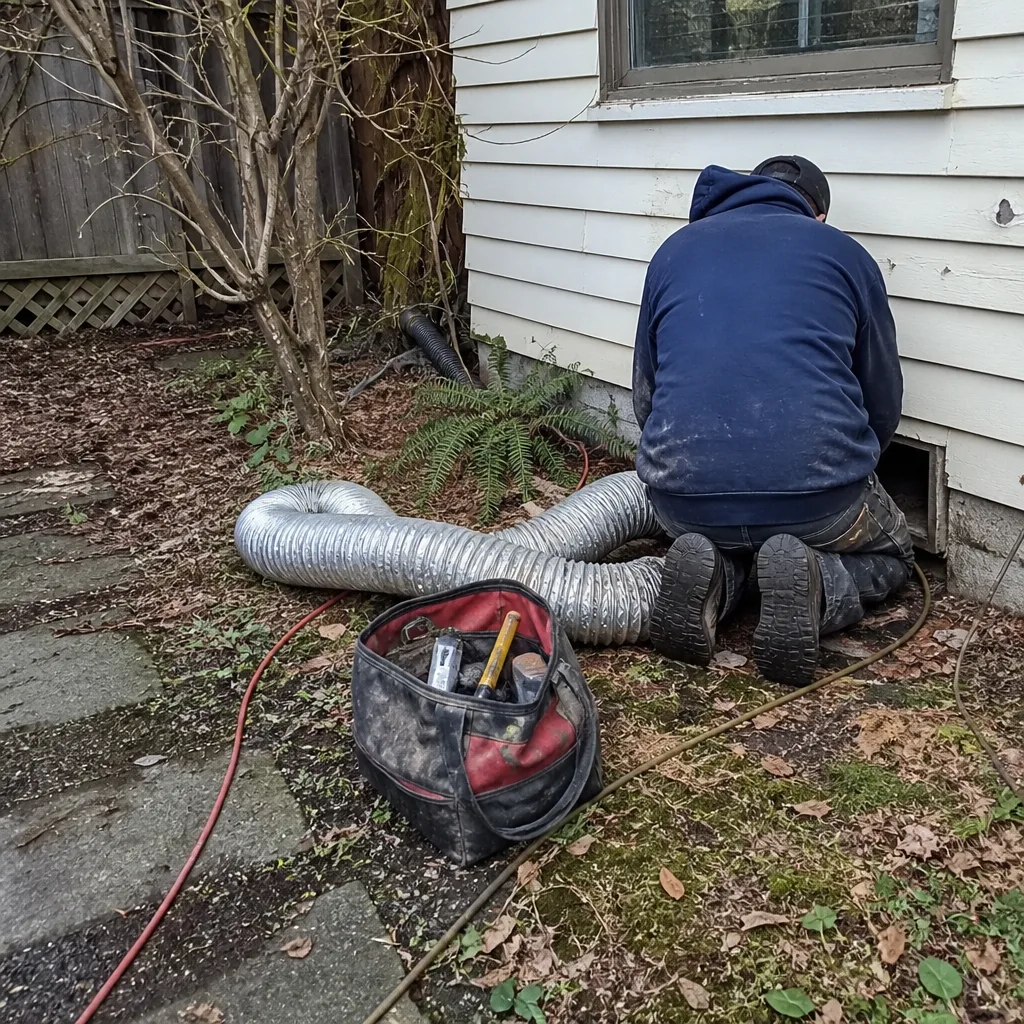 Before
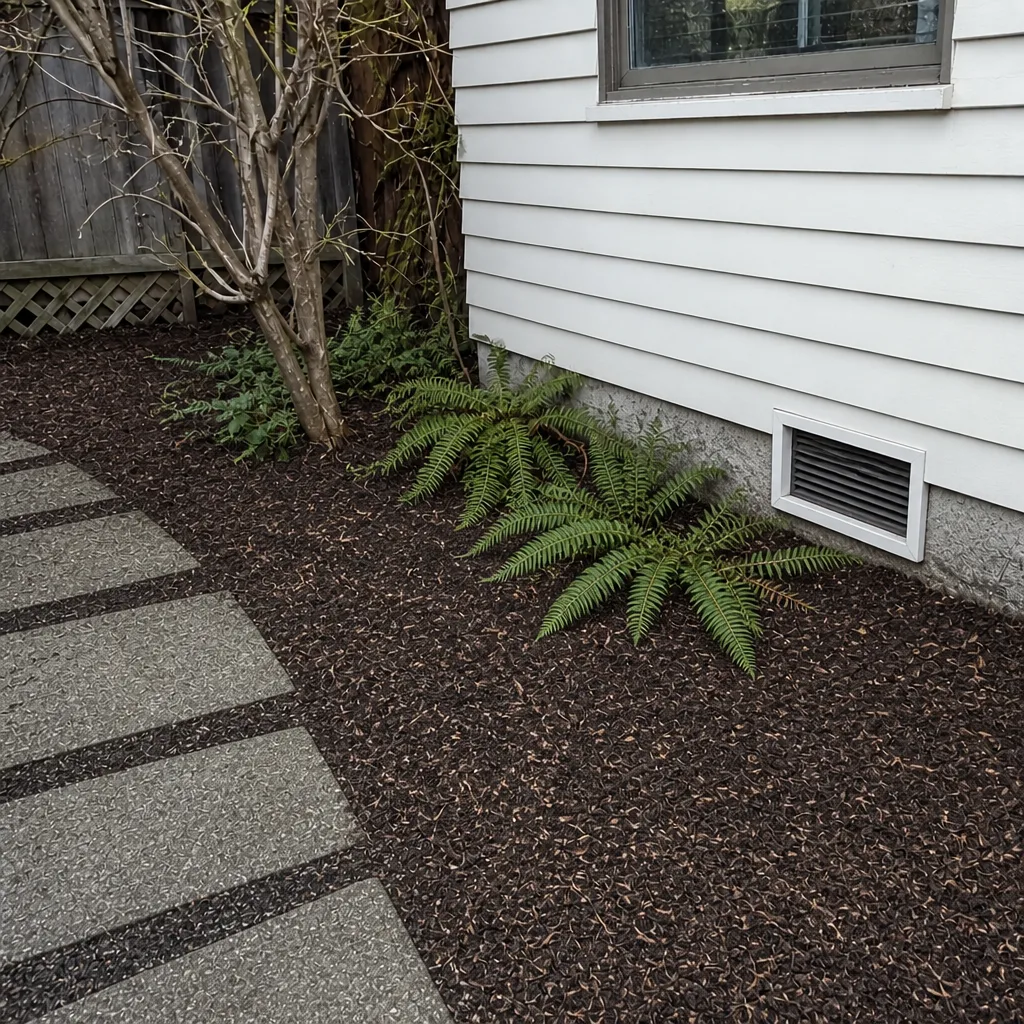 After
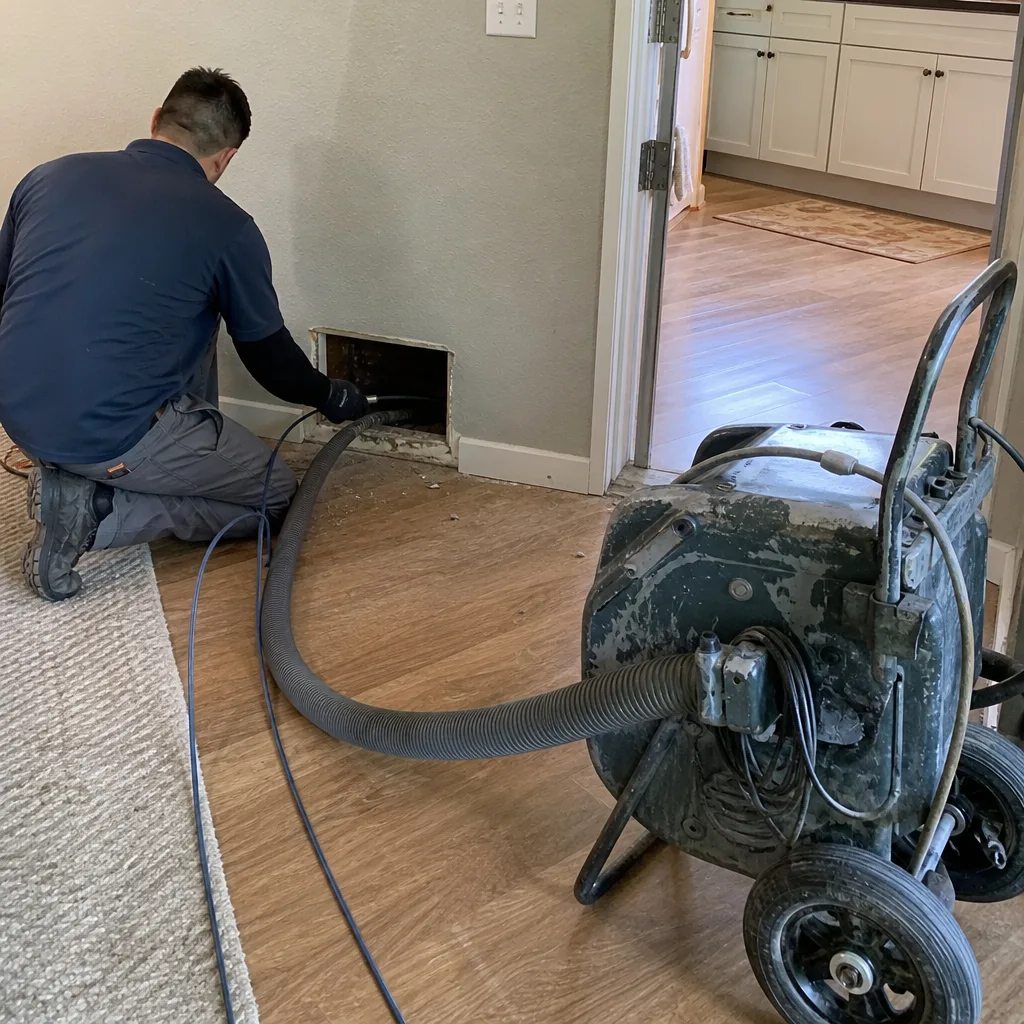 Before
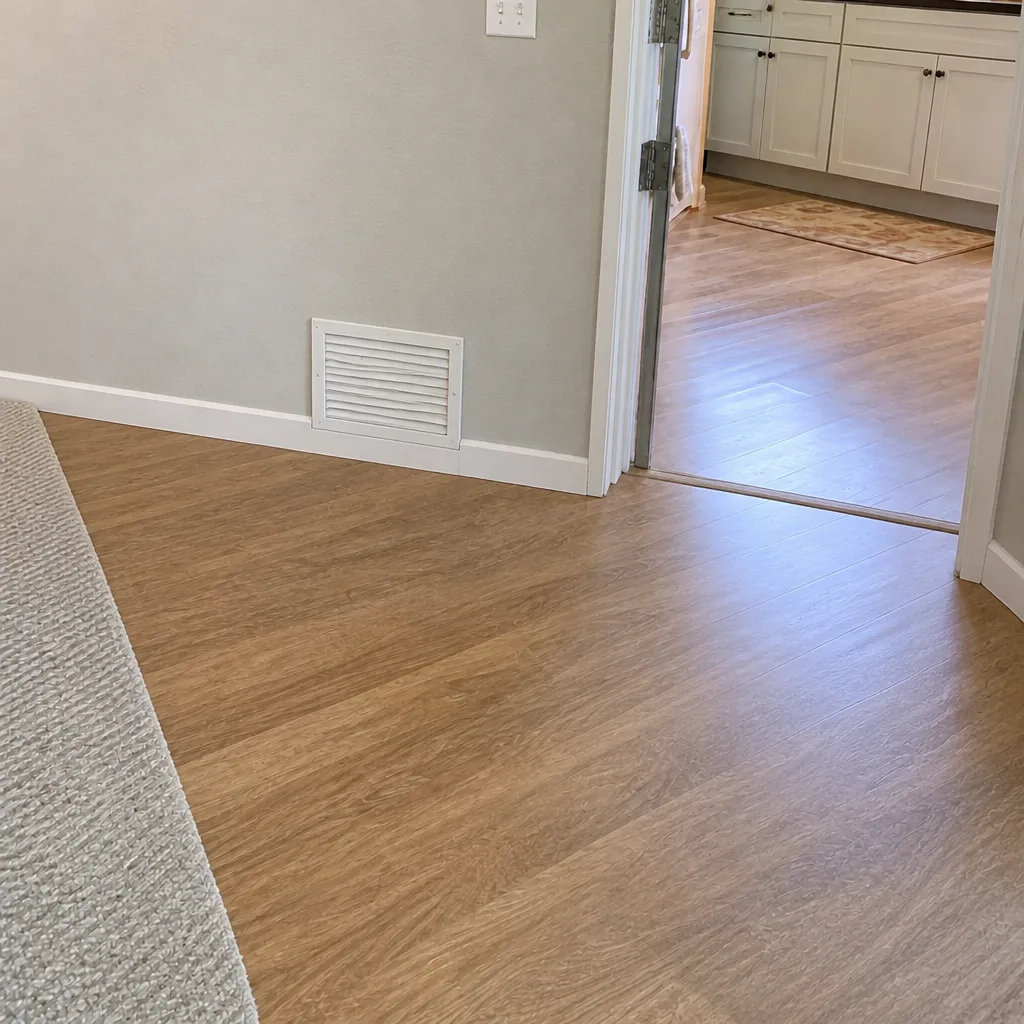 After
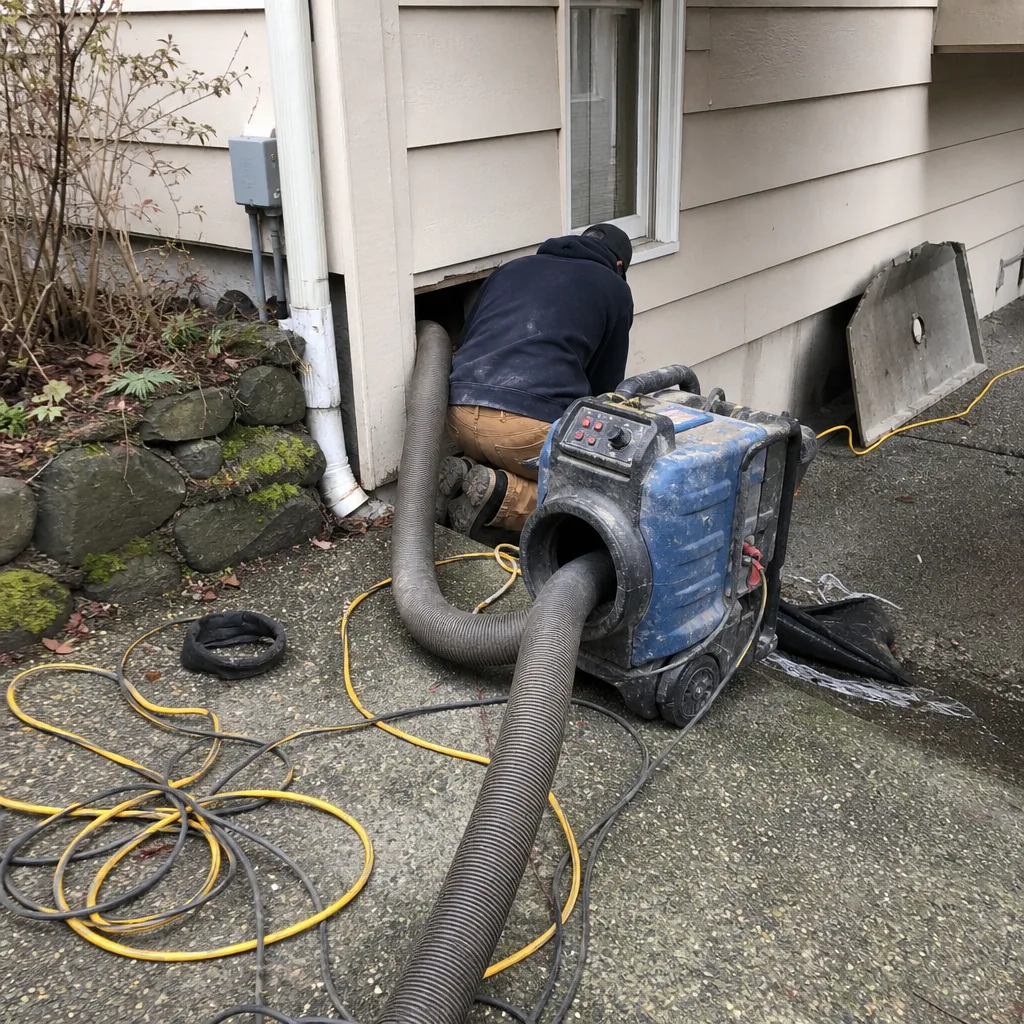 Before
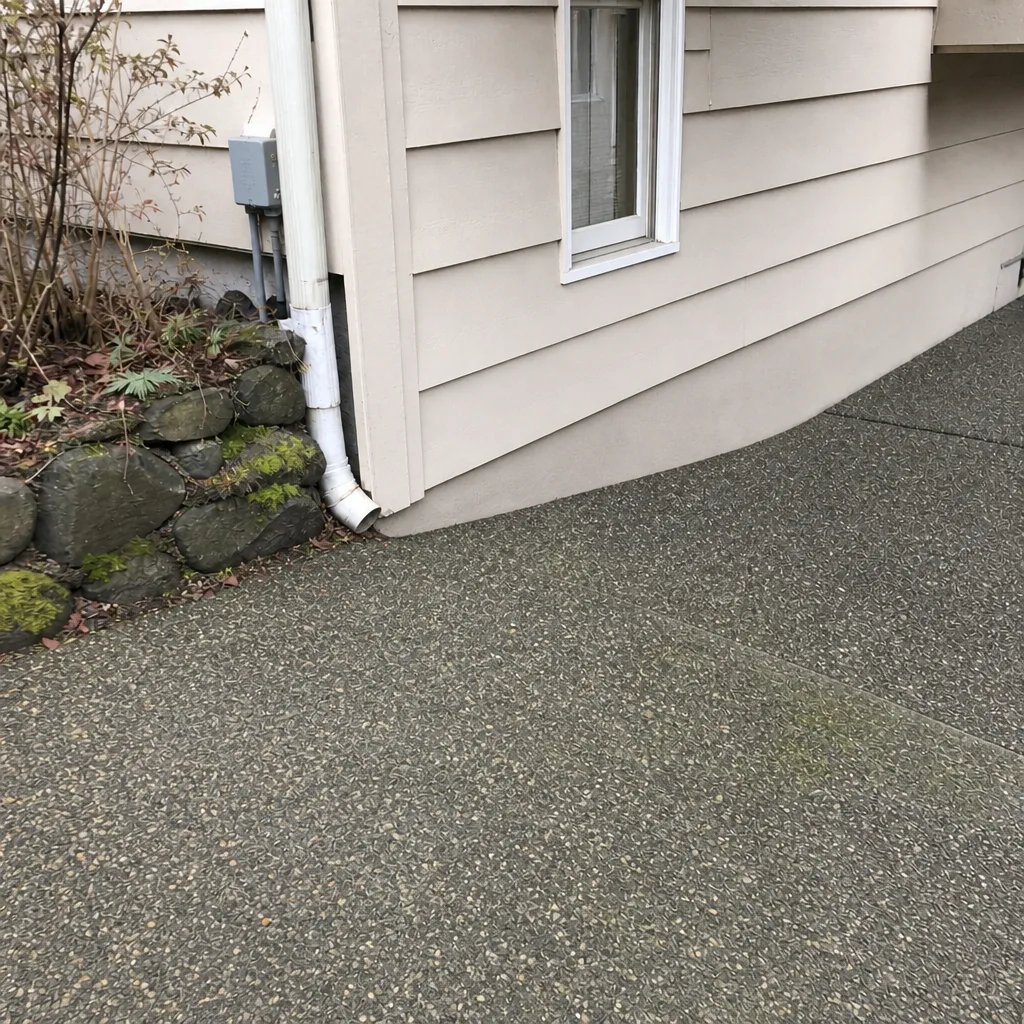 After
When to Call a Professional
Call a professional when there’s a breach you can see, when there’s a musty smell coming from the registers, when anyone in the household has respiratory concerns and the system hasn’t been assessed, after a renovation has left debris in the ducts, or when a crawlspace repair is on the list. Don’t let a permit question stop you from getting a free estimate. The estimate is free, the price is set per job by the written estimate, and the scope shouldn’t require you to guess. Air Duct Cleaning Ballard offers free estimates in Ballard, and we’re comfortable walking through the permit-exempt vs. permit-required question with you before any work starts. Call (844) 443-4768.
Frequently Asked Questions
No. Cleaning air ducts does not require a permit in Ballard or anywhere in Seattle, because cleaning doesn’t alter the duct system. A permit is only relevant if the work changes the ductwork itself through repair, replacement, modification, or rerouting. Call (844) 443-4768 for a free estimate and we’ll scope the work honestly.
Sealing accessible leaks with mastic or foil tape is generally maintenance and doesn’t require a permit, while system-level sealing or sealing done as part of a permitted alteration or HVAC replacement does. The distinction comes down to whether the work modifies the system or maintains it. If the answer isn’t clear in writing, ask before the technician starts. Call (844) 443-4768 for an exact quote on the scope in question.
Often, yes. Ducts in an unconditioned space like a vented crawlspace are subject to duct sealing and insulation requirements aimed at limiting energy loss, and if the work falls under a mechanical permit the inspector checks the sealing and insulation along with it. Ballard’s older homes and vented crawlspaces make this a routine consideration rather than an edge case.
Ask for before-and-after photos of your own ducts and a written scope with the date and products used. Even on permit-exempt work, this is the single best protection, because it’s the same documentation a home buyer or insurer would ask for. We photo-document every job. Call (844) 443-4768 for a free estimate.
A code inspection is performed by a municipal inspector, verifying permitted work meets code, while an indoor air quality assessment is a diagnostic service a contractor performs to check contamination, moisture, and system condition. They’re done by different people for different reasons, and one doesn’t substitute for the other. Call (844) 443-4768 to schedule an assessment.
Most homes need it every few years, sooner if there are pets, recent renovations, allergy sufferers in the household, or a crawlspace system with known breaches. A system with leaks pulls contamination in faster than a sealed one, so repair and sealing matter alongside cleaning.
The Bottom Line
Cleaning your ducts doesn’t need a permit. Repairing or modifying them does, and in Ballard’s older homes the line between the two comes up more often than homeowners expect. Routine sealing of an accessible joint is maintenance. Replacing a run, adding a duct, or rerouting in a remodel is regulated work. Crawlspace work almost always involves Seattle’s energy code as well. Document every job, permit-exempt or not, with written scope and before-and-after photos. And keep two kinds of inspection distinct: code inspection is a city matter, indoor air quality assessment is a contractor matter. Get the scope in writing, keep the paperwork, and you’ll be in a stronger position than most.
If you’d like an honest look at what your Ballard system actually needs, we’re happy to help. Our technicians have up to 13 years of experience, we use professional-grade equipment on every job, and we can point you to the right next step. Call (844) 443-4768 for a free estimate. We answer 24/7. Fast dispatch from 7am to 7pm, Sunday through Friday.
Written by the team at Air Duct Cleaning Ballard.